

 Online Reporter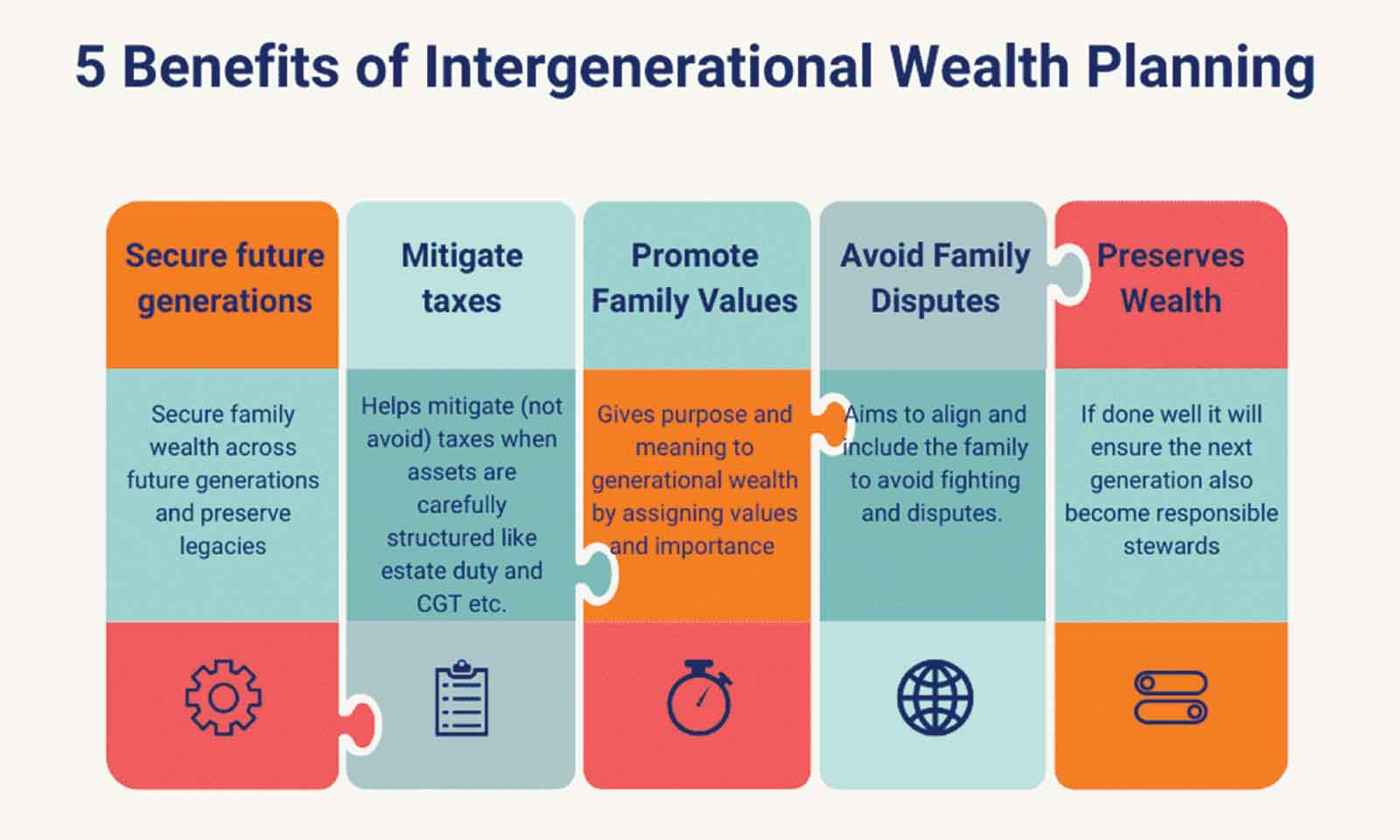
Dr Grace Musandirire
Building Generational Wealth
Many families aspire to build wealth that will benefit generations. Businesses are started, land is acquired, properties are developed, and investments are made with good intentions.
Yet despite these efforts, family wealth often disappears within one or two generations. The tragedy is that in most cases, wealth does not fail because of lack of assets, but because of poor communication and inadequate planning.
Across families, there is a common assumption that silence equals stability. Parents work hard, accumulate assets, and assume that their children will figure it out in the future. Unfortunately, silence creates confusion, entitlement, and conflict. When expectations are not communicated clearly, even well-built wealth becomes vulnerable.
One of the greatest threats to family wealth is the absence of open conversations. Many families avoid discussions around money, ownership, leadership, and succession because they fear conflict or believe such conversations are inappropriate.
However, avoiding these topics does not eliminate problems; it postpones them. When wealth is eventually transferred without prior dialogue, misunderstandings quickly arise, often leading to disputes that permanently fracture families.
Another silent danger is unclear ownership and roles. In family businesses, it is common for relatives to assume they are entitled to benefits without understanding their responsibilities. When roles are not defined, accountability disappears. Family members may feel excluded, exploited, or unfairly treated, even when no harm was intended. Over time, resentment grows, weakening both relationships and enterprises. Poor planning also manifests through the absence of succession strategies. Many wealth creators delay succession planning, believing they still have time. Others avoid it because they fear losing control.
Yet without a clear succession plan, businesses and assets are left exposed when leadership changes suddenly due to illness, retirement, or death. The resulting power struggles often destroy in months what took decades to build.
Financial literacy gaps further accelerate wealth loss. Children who inherit assets without understanding financial discipline, governance, or long-term strategy are ill-equipped to preserve wealth.
Inherited wealth without preparation often fuels consumption rather than growth. Teaching financial principles early equips the next generation to make informed and responsible decisions.
Family governance structures are another overlooked pillar. Clear frameworks for decision-making, conflict resolution, and accountability help families manage wealth professionally while preserving unity. Governance does not remove family values; it protects them.
Families that establish simple but clear systems are better able to navigate challenges without destroying relationships.
Communication also plays a critical role in managing expectations. Not every family member will be actively involved in wealth creation or business operations.
Honest conversations about who does what, who benefits, and why certain decisions are made reduce feelings of unfairness. Transparency builds trust, while secrecy breeds suspicion.
Beyond systems and structures, values remain central to sustainable wealth. Families that fail to transmit values such as integrity, discipline, service, and responsibility often struggle to sustain wealth.
Assets alone do not build legacy; character does. When values are intentionally taught and modelled, wealth becomes a tool for purpose rather than division.
It is important to recognise that building generational wealth is not a once-off event but an ongoing process. Communication must be continuous, evolving as the family grows and circumstances change. Planning must be reviewed regularly to remain relevant and effective.
This week presents an opportunity for families to pause and reflect. Are conversations happening openly? Are roles and expectations clear? Are there plans in place for continuity? Addressing these questions early can prevent painful conflicts later.
In the end, wealth that outlives its creators depends less on how much is accumulated and more on how well families communicate, plan, and prepare those who will inherit it. When families prioritise clarity, dialogue, and intentional planning, they protect not only their assets, but their relationships and legacy.
Dr Grace Musandirire is a Zimbabwean entrepreneur, business mentor, and generational wealth advocate. She is the Managing Director of Graceland Waters Resort and the founder of several business initiatives focused on empowering families, women, and communities through sustainable enterprise. She writes and speaks on legacy building, entrepreneurship, wealth transfer, and family-based economic development across generations.



