Online Reporter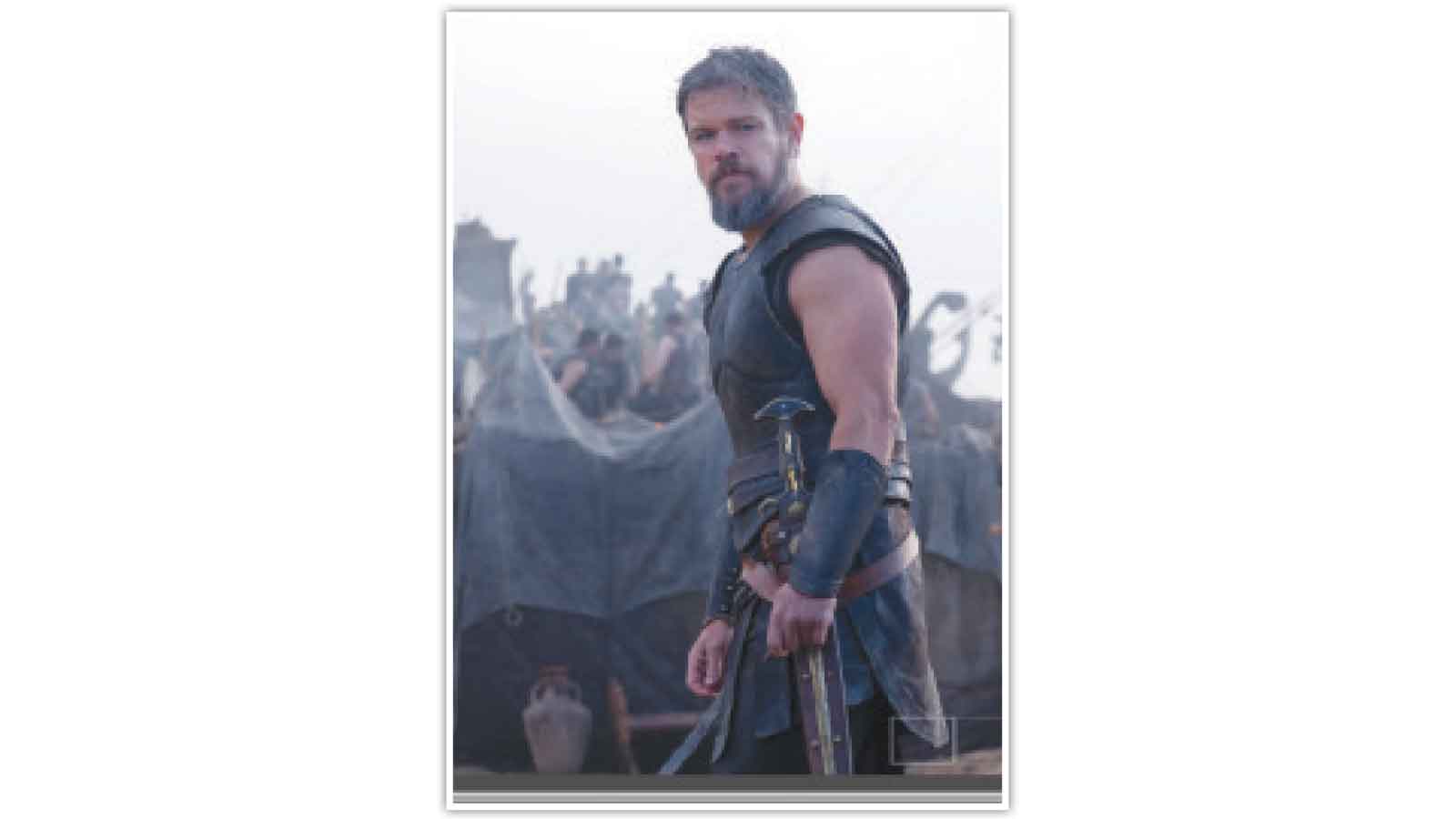
LOS ANGELES. — Christopher Nolan’s adaptation of Homer’s Ancient Greek epic, starring Matt Damon, Zendaya and many more, is the most anticipated film of 2026 — but also the most contested.
Here’s why.
Christopher Nolan’s last film, the Oscar-winning Oppenheimer, was about the invention of the atomic bomb, and the ethics of killing tens of thousands of civilians in a global conflict.
All things considered, he must have thought that his next film would be a lot less controversial. After all, The Odyssey is based on Homer’s ancient poem about warriors and kings, gods and monsters.
What is there for anyone to grouse about? The height of Polyphemus the Cyclops? The wood used to make the Trojan horse? Well, maybe not.
But it turns out that people have groused about pretty much everything else.
The Odyssey, to be released next month, has become the most contentious film of the year — a lightning rod for all kinds of political and cultural grievances.
What is it about a swords-and-sandals fantasy epic that is so upsetting?
Casting controversies
Much of the grumbling has consisted of conservative fears that the film might be too liberal. Not everyone approved when Nolan hired a transgender actor, Elliot Page, and a rapper, Travis Scott, to play a so-far-unidentified male character and the poet Demodocus, respectively.
People have also objected to his choice of black actress Lupita Nyong’o to play Helen of Troy — described by Homer as “white-armed”.
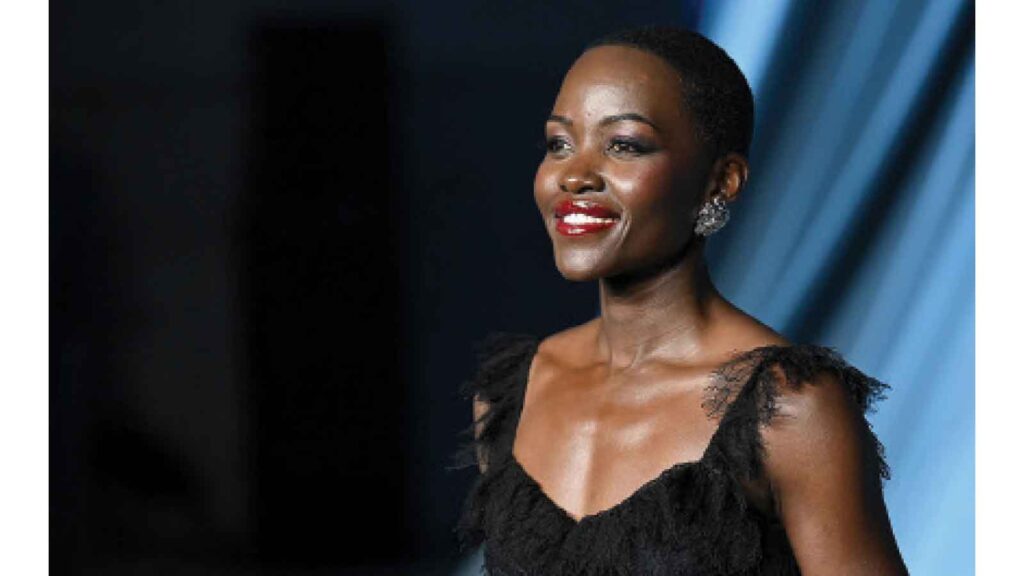
Lupita Nyong’o
Wolfgang Petersen’s Homer adaptation, Troy (2004), loosely inspired by The Iliad, didn’t have a vocal fanbase a year ago, but recently it’s been held up by some on social media as superior to Nolan’s, at least in its casting of Brad Pitt as Achilles and Diane Kruger as Helen.
One right-wing blogger, Matt Walsh, declared that Nolan had cast a woman of Kenyan heritage as Helen because he was afraid of being called a racist.
He didn’t offer evidence of Nolan’s supposed fears. And indeed the vast majority of the cast is white.
But that didn’t stop Elon Musk chiming in with his agreement.
Some on social media, in response, accused Walsh and Musk of being bigoted.
Others took a more scholarly approach. Prof Daniel Mendelsohn, whose translation of Homer’s poem was published last year, said at the UK’s Hay Festival in May that he was amused by “all of these bros suddenly worrying about Greek literature”.
According to a report in The Telegraph, Mendelsohn said:
“What’s so funny is that Helen has the tiniest role in The Odyssey… so the debate is particularly silly.”
But he proposed that Nyong’o’s casting was “consonant with the concern of the Troy myth, which is how to think about beauty… I think (Nolan’s) choice of this very beautiful actress who happens to be African lands you squarely in the middle of a very old discussion.”
I wonder whether we have become inclined to treat mythological material as though it were historical material —Prof Susan Deacy
In Elle magazine, Nyong’o gave her own pithy response to the attacks.
“This is a mythological story,” she said. “Our cast is representative of the world.”
But some people have pointed out that this isn’t wholly true, lamenting the lack of Greeks among the actors.
Greeks had been “left out by Hollywood, again and with no explanation, from our foundational mythologies and epics”, wrote a Greek-British journalist, Chris Cotonou, in The Guardian.
“If your film sets out to represent the world, wouldn’t it be obvious to fill one space at this large, wonderfully multicultural table with the people who are most authentically connected to the source?”— BBC