Online Reporter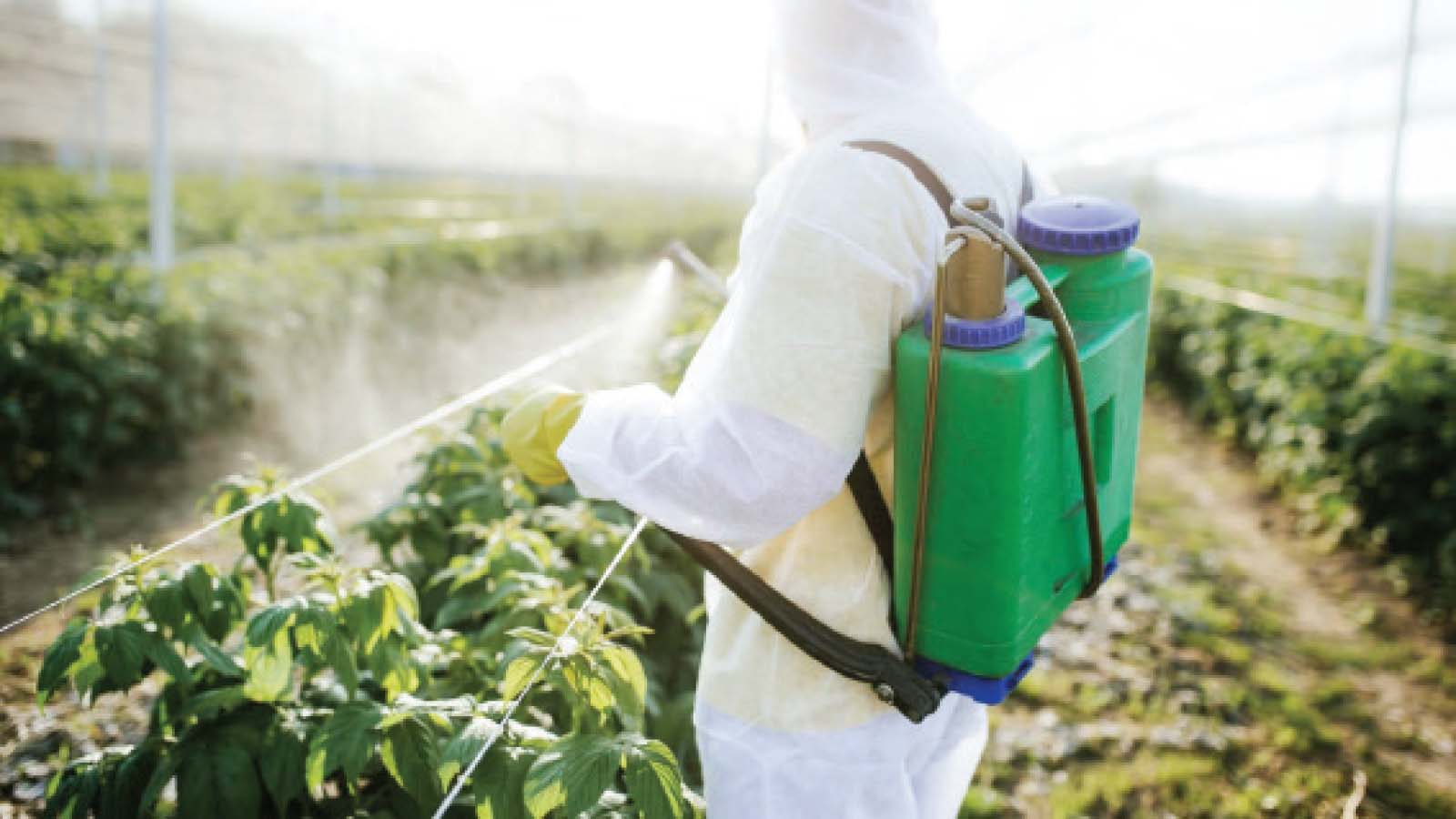
Word from the Market
Tina Nleya
FOOD SECURITY is often discussed in terms of production, affordability and access.
Yet food cannot be considered secure if it is unsafe to eat.
A market may be overflowing with tomatoes, vegetables, grain, meat and fruit, but abundance becomes meaningless when those products carry harmful pesticide residues, toxins or disease-causing organisms.
Safe food is not a luxury for wealthy consumers or foreign buyers. It is a basic right of every Zimbabwean. Food safety and food security are inseparable.
The World Health Organisation’s latest estimates indicate that contaminated food causes about 866 million illnesses and 1,52million deaths globally each year.
Unsafe food also drives malnutrition, burdens health systems, reduces productivity and weakens household incomes.
Every preventable foodborne illness is, therefore, both a public health failure and an economic loss.
Zimbabwe’s farmers understand the strict requirements attached to export markets.
Produce destined for international buyers is normally subjected to production protocols, residue testing, grading, certification and traceability requirements.
In addition, spray records are checked.
Approved chemicals must be used. Maximum residue limits are observed. Pre-harvest intervals are taken seriously. Each consignment can be linked to a grower, field, packhouse and harvest date.
The uncomfortable question is: Why should the same tomato be treated differently because it will be eaten in Harare, Bulawayo, Mutare, Gweru or a rural growth point rather than London, Amsterdam or Johannesburg?
The health of a local consumer is not less valuable than that of an export customer.
Standards must not stop at the border. The discipline that protects export markets must become part of every domestic market.
Pesticides remain important tools for controlling insects, weeds and crop diseases, protecting yields and reducing losses.
However, their benefits disappear when products are unregistered, incorrectly mixed, applied too frequently, used on unauthorised crops or sprayed without observing the prescribed pre-harvest interval.
Residues may then remain above acceptable limits.
Depending on the substance and exposure, pesticides can cause acute poisoning or contribute to long-term health effects.
Global regulation also evolves as scientific evidence improves.
Chlorpyrifos was not reapproved in the European Union (EU) in 2020 following concerns including developmental neurotoxicity and possible genotoxicity.
Paraquat’s EU approval was annulled, while atrazine has been prohibited there for years and remains detectable in groundwater because of its persistence.
These examples do not automatically determine a product’s legal status in Zimbabwe; national registration requirements remain decisive. They do show why farmers and traders must use only locally registered products, follow labels precisely and remain alert to changing scientific information.
The Agricultural Marketing Authority (AMA) is strengthening collaboration with Plant Quarantine Services and other technical departments to protect consumers, support compliance and promote safer agricultural marketing.
Zimbabwe’s pesticide regulatory system includes registration, import and export controls, inspections of distributors and retailers, advisory services and awareness programmes.
Regulation, however, is most effective when every participant in the value chain accepts responsibility.
The greatest challenge is often found in fragmented and informal markets.
Produce may pass from a farmer to a middleman, transporter, wholesaler and vendor without a reliable record of origin.
Different farmers’ produce may be mixed into one load.
Packaging may carry no grower identification, harvest date or batch number.
When a residue problem or foodborne disease incident occurs, the authorities may identify the commodity, but struggle to identify the field, chemical, supplier or distribution route responsible.
Without traceability, investigations are delayed, recalls become broad and innocent farmers may suffer alongside the source of contamination.
Traceability changes this. Codex defines it as the ability to follow food through specified stages of production, processing and distribution. It does not require expensive software.
A practical local system can start with a registered farmer or supplier number, production location record, spray diary, chemical application dates, harvest date, batch number and a record of the buyer.
Market authorities, aggregators and traders can retain supplier registers, while receipts, crates, tags or low-cost digital codes preserve the link between producer and product.
This information creates accountability. It allows the authorities to trace unsafe produce quickly, isolate the affected batch and remove it without unnecessarily destroying safe food.
It protects responsible farmers from blanket suspicion, helps buyers select reliable suppliers and gives consumers confidence.
Traceability can also improve farm management, reduce disputes and create a pathway for farmers to enter formal retail and export markets.
Building safer informal markets must not mean excluding smallholder farmers or criminalising vendors.
The solution is progressive formalisation supported by training, affordable testing and practical record-keeping.
Farmers require education on integrated pest management, correct dosage, protective equipment, safe storage and disposal and pre-harvest intervals.
Agro-dealers must sell only registered products and provide responsible advice. Traders and market operators must demand supplier information.
Laboratories and regulators need risk-based sampling programmes that include domestic markets, not exports alone.
Consumers also have a role. They should buy from identifiable, reputable sources, handle food hygienically and report suspicious products or illness.
However, responsibility cannot be transferred to consumers alone.
Washing produce is good practice, but it cannot replace correct pesticide selection, application and observance of withholding periods at farm level.
Food safety must be built into production, not attempted only at the kitchen sink.
Zimbabwe must reject a two-tier food system in which export consumers receive tested, traceable produce while local families absorb the uncertainty.
Our markets are the final link between agriculture and public health.
Making them safer requires cooperation among farmers, regulators, researchers, agro-dealers, transporters, traders, retailers, vendors and consumers.
The future of agricultural marketing must be built on a simple promise: Every consumer should know that food offered for sale was produced responsibly and can be traced when something goes wrong.
Food security is not merely having enough food. It is having enough food that is safe, nutritious and worthy of the people it must nourish. Traceability turns that promise into accountability from the field to every market stall and family table.
Tina Nleya is AMA’s marketing and public relations manager. She can be contacted by email: [email protected]. Word From The Market is a column produced by AMA to promote market-driven production.