Online Reporter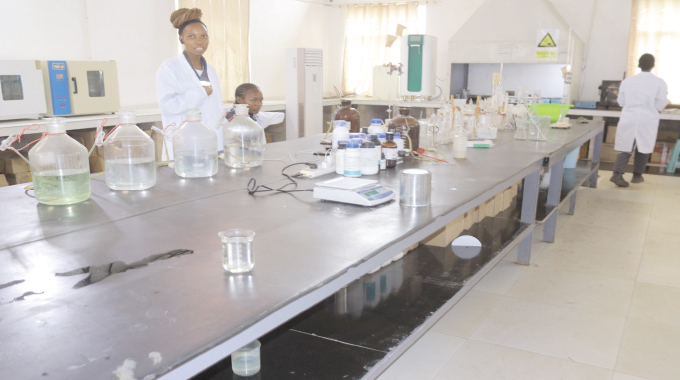
Daimon Phiri
BENEATH Zimbabwe’s soil lies immense wealth. Across the country’s mountains, rivers and mineral belts are resources that many nations can only dream of possessing. Gold, platinum, lithium, chrome, coal, iron ore and diamonds have made Zimbabwe one of Africa’s most richly endowed countries.
Yet for many years, a difficult question has persisted: if Zimbabwe is so richly blessed, why has much of the value from these resources been created elsewhere?
For decades, the country exported raw minerals while other nations processed them into high-value products. Lithium became batteries. Gold became jewellery and investment products. Chrome became stainless steel. Iron ore became industrial materials used in construction, manufacturing and infrastructure development.
In many cases, Zimbabwe earned revenue from extracting the minerals, but the greatest economic benefits were realised beyond its borders.
Today, that model is being challenged.
Under the leadership of President Mnangagwa, Zimbabwe has adopted a development agenda centred on value addition and beneficiation, a strategy aimed at ensuring that more of the country’s natural wealth is processed, refined and transformed within its own borders before being sold to global markets.
At the heart of this approach is a simple principle: a nation should derive maximum value from its own resources.
This is not merely an economic policy. It is a development philosophy built on the belief that sustainable prosperity cannot come from exporting raw materials indefinitely while importing finished products at far higher prices.
The argument is compelling. Every tonne of unprocessed mineral that leaves the country carries with it potential jobs, industrial opportunities and technological advancement. When value is added elsewhere, so too are many of the associated benefits.
That is why the country’s industrialisation drive places value addition at the centre of its economic transformation agenda.
President Mnangagwa has repeatedly made it clear that Zimbabwe must move beyond being a supplier of raw minerals and become a producer of finished goods.
“Zimbabwe will not be a supermarket for raw minerals, but will become a factory for finished products.”
Those words capture the essence of the country’s vision.
Take lithium, for example.
Zimbabwe possesses some of the largest lithium reserves in the world at a time when global demand for the mineral continues to rise sharply. Lithium is a critical component in electric vehicle batteries, renewable energy storage systems and a growing range of modern technologies.
For years, the industry largely focused on exporting raw lithium concentrate. While this generated export earnings, much of the value chain remained located elsewhere.
The new ambition is significantly broader.
Rather than simply exporting raw materials, Zimbabwe aims to develop industries that manufacture battery components, support renewable energy projects and create opportunities for highly skilled employment. Such an approach has the potential to create jobs not only for miners but also for engineers, chemists, technicians and researchers.
It represents a shift from extraction to industrial production.
Gold offers another example.
Zimbabwe is among Africa’s leading gold producers, yet for many years much of the country’s gold moved through international refining centres before reaching global markets.
The value-addition agenda seeks to change this by encouraging local refining, greater beneficiation and the development of a domestic jewellery industry.
The objective is straightforward: to ensure that more of the value generated by Zimbabwean gold remains in Zimbabwe.
In time, policymakers hope that products manufactured from locally refined gold can strengthen the reputation of Zimbabwean craftsmanship and create new opportunities in manufacturing and exports.
A similar transition is envisaged in the platinum and chrome sectors.
Zimbabwe possesses some of the world’s largest platinum reserves and substantial chrome deposits. Traditionally, significant volumes have been exported with limited downstream processing.
The current focus is on encouraging investments that create more advanced industrial products. Stainless steel manufacturing, catalytic converter production and emerging technologies linked to renewable energy all represent opportunities to expand the country’s industrial base.
Such industries do more than increase export earnings. They foster technical expertise, stimulate innovation and build local industrial capacity.
The benefits extend far beyond the mining sector itself.
Every processing plant requires workers. Every manufacturing facility creates demand for transport services, engineering solutions, maintenance specialists, financial services and countless supporting enterprises.
As industrial activity grows, so too does the wider economy.
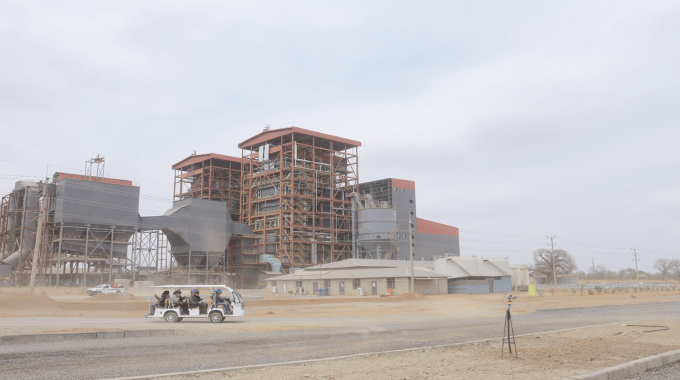
The same thinking applies to diamonds, coal and iron ore.
Rather than exporting resources at the earliest stage possible, the vision is to develop complete value chains. Diamonds can be cut and polished locally. Coal can power industries and support energy generation. Iron ore can feed steel production that supports national infrastructure and construction projects.
The goal is to create an economy that produces, manufactures and innovates.
For ordinary Zimbabweans, the implications are significant.
Value addition is fundamentally about jobs.
A miner extracting ore is important to the economy. But an economy that also includes smelters, refineries, factories, laboratories and manufacturing plants creates opportunities for thousands more people.
It broadens the employment base and encourages the growth of specialised skills.
This is why education and skills development are becoming increasingly important components of the industrialisation agenda.
The industries of the future will require engineers, metallurgists, geologists, scientists, technicians and technology specialists. Young Zimbabweans entering schools and universities today could become the professionals who drive the next generation of industrial development.
Equally important is the issue of technology transfer.
The country’s vision is not simply to attract investment, but to encourage investment that builds local capacity. Factories, processing facilities and industrial partnerships create opportunities for Zimbabweans to acquire new skills and gain exposure to advanced technologies.
In this way, industrialisation becomes more than economic growth. It becomes national empowerment.
Supporters of the policy also argue that value addition strengthens economic sovereignty.
Countries that manufacture and process their own resources often enjoy greater control over pricing, supply chains and long-term economic planning. They are less vulnerable to fluctuations in commodity markets and better positioned to withstand external pressures.
For Zimbabwe, this represents an opportunity to shape its own economic future with greater confidence and independence.
Achieving such ambitions will not be easy. Building competitive industries requires investment, infrastructure, reliable energy supplies, modern technology and a skilled workforce. Success will depend on effective partnerships between Government, industry, educational institutions and local communities.
The journey will require patience, commitment and sustained effort.
Nevertheless, the direction is clear.
Zimbabwe’s resources, on their own, do not guarantee prosperity. Wealth beneath the ground only fulfils its potential when it is transformed into industries, jobs and opportunities above the ground.
That is why the conversation around value addition is ultimately about more than minerals. It is about nation-building.
It is about ensuring that Zimbabwe’s natural resources become a catalyst for industrial growth, economic transformation and shared prosperity.
The country’s forefathers fought for ownership of the land and its resources. The challenge facing the present generation is to ensure those resources deliver the greatest possible benefit to the people.
From the mine shaft to the factory floor, from raw mineral to finished product, and from resource wealth to national wealth, that is the promise of value addition. It is a vision that seeks not only to unlock the value buried beneath Zimbabwe’s soil, but also to build a stronger, more prosperous and more industrialised nation for generations to come.