admin
admin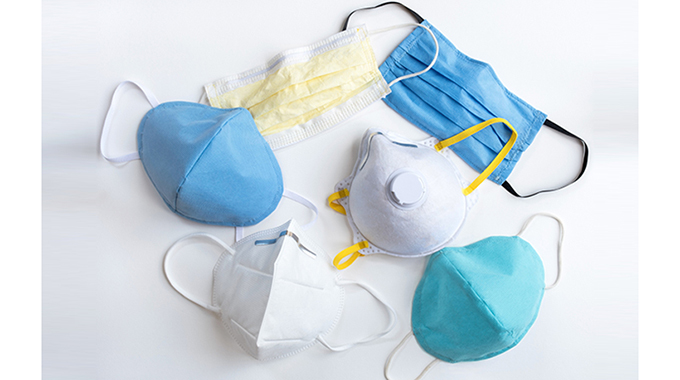
Dr Amir Khan
Despite the manufacturers of the COVID vaccine recommending a delay of no more than three weeks between the two required doses, the UK took the somewhat bold decision back in December to delay second shots by 12 weeks.
This was a calculated risk to allow time for as many people as possible to receive their first shot of the Pfizer-BioNTech or Oxford-AstraZeneca vaccine – the two being used in the UK.
The decision attracted a great deal of criticism from scientists, healthcare professionals and even the vaccine manufacturers themselves, who pointed out that no studies had been carried out to show how long protection from just one shot would last.
But, it seems that the UK government’s shot in the dark has paid off.
Just over two months later, Public Health England has announced data showing that a single shot of either the Oxford-AstraZeneca or the Pfizer-BioNTech jab reduces the chance of needing hospital treatment by more than 80 percent. The results focus on older people, who are considered the frailest and least likely to mount a strong immune response.
People who have had their first shot might think they are out of the woods with this outcome. Not so. The second dose is still important for boosting immunity, reducing hospitalisation risk even further and for the length of time for which you are protected.
Furthermore, while there is increasing evidence of the vaccines reducing transmission, more research is needed.
Although the virus may not make you ill after having the first vaccine shot, you might still be able to carry it around and pass it to other people through breathing and coughing, so it is imperative we all continue to wear masks and socially distance until the majority of the population is fully vaccinated.
A large cohort of the population in most countries still has not been vaccinated at all.
This cohort may be younger and deemed less likely to need intensive hospital treatment should they get Covid-19, but there remains a risk of “long Covid” symptoms, which include long-term pain, poor memory, fatigue and muscle weakness, which can be seriously debilitating.
Progress Report
Will the new one-shot vaccine help to curtail new variants?
Meanwhile, a new single-shot vaccine from Johnson & Johnson has been granted approval by US regulators for use alongside the Pfizer and Moderna vaccines (both two-dose vaccines), eliminating the need for a delay between shots altogether for those who receive it. Johnson & Johnson has agreed to provide the US with 100 million doses by the end of June. The UK, EU and Canada have also ordered doses, and 500 million doses have also been ordered through the COVAX scheme to supply poorer nations.
The Johnson & Johnson vaccine works in a different way from the Pfizer and Moderna vaccines. None of these vaccines contains the coronavirus; the Pfizer and Moderna vaccines use a “messenger” code called RNA to trigger your immune response, whereas the Johnson & Johnson one, like the Oxford vaccine, has a tiny piece of coronavirus DNA that contains information about the virus’s spike protein.
This piece of DNA is inserted into a harmless, genetically modified virus called an adenovirus. The adenovirus has been modified so it cannot multiply inside human cells, but it can carry the coronavirus DNA code to the inside of a human cell when that person has been given the vaccine.
Once inside the human cell, the DNA strand instructs the cell to make coronavirus-type spike proteins which the cell presents on its outside surface. The immune system recognises these spike proteins as “foreign” and starts assembling a range of immune cells targeted at killing them. As well as killing the cell that has been infected by the vaccine DNA, the immune system will make cells that will recognise the spike protein quicker; so, should you come into contact with the real coronavirus, your immune system will be able to destroy it before it has a chance to enter your cells and cause a serious infection.
Johnson & Johnson’s vaccine was always designed to only require one dose and has been tested as such. The one-dose regime is felt by the manufacturer and the US Centers for Disease Control (CDC) to confer enough lasting protection against severe illness.
The fact this vaccine requires only one dose will be welcomed by those who have a phobia of needles but also because it may offer a quicker route to the eventual easing of lockdowns.
The vaccine was tested in a trial involving nearly 44,000 participants in the United States, Latin America and South Africa. In the US cohort, it was shown to be 72-percent effective. However, it was shown to be less effective against the newer South African and Brazilian strains of the virus – giving protection against the virus in only 55 percent and 67 percent of participants respectively.
Results from the first two US-authorised vaccines, Pfizer-BioNtech and Moderna, were considerably stronger, reducing symptomatic infection by about 95 percent. But those vaccines require two doses to achieve that level of immunity. They also come with distribution challenges since they need to stay at ultra-cold temperatures. Because the Johnson & Johnson vaccine contains a more stable DNA molecule rather than the delicate RNA molecules the other vaccines use, it can be stored at normal refrigeration temperatures and therefore can be more easily transported, similar to the Oxford-AtraZeneca vaccine.
New variants emerge when viruses have mutated enough times to produce a new version that becomes dominant over the original one, and which may be more infectious or deadly. That is why we must get the pandemic under control on a global basis.
The World Health Organization’s COVAX programme is designed to get vaccines to those countries that may not have the money or infrastructure to obtain them themselves. The Johnson & Johnson vaccine is going to play a large part in that. A one-shot vaccine would certainly help with access, distribution, compliance and reduce the emergence rate of all of these strains to everyone’s benefit.
As with any approved vaccines, people should not turn them down if they are offered. The Johnson & Johnson vaccine has been approved on the basis that it is effective at preventing serious disease and hospitalisation. It will help reduce the number of people who get really sick from Covid and will help prevent deaths. For that reason, it is worth taking it if offered.- Source – Aljazeera.



 Online Reporter