Moffat Mungazi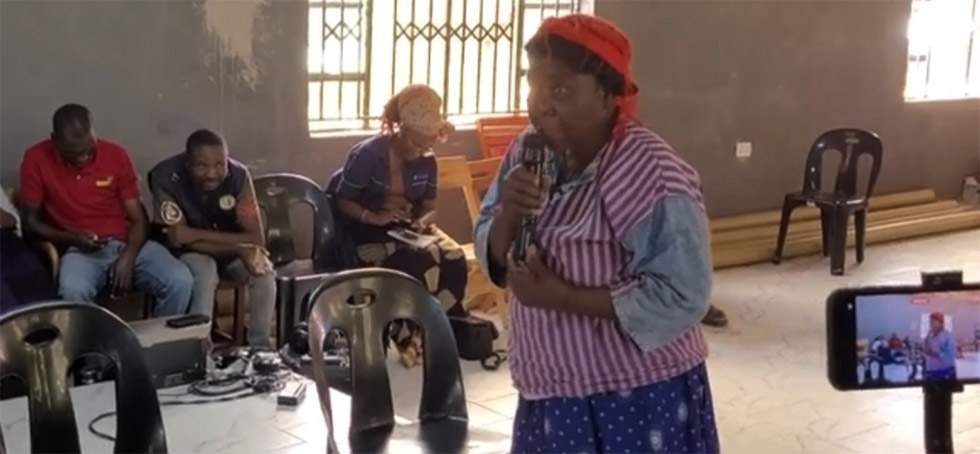
Tendai Gukutikwa
Weekender Reporter
IN a heart-wrenching plea for justice, a frail elderly woman appeared before Chief Mutasa’s community court last Saturday, her eyes brimming with tears as she recounted the devastating betrayal at the hands of her stepson and his wife.
The weight of Mbuya Elina Muzekezeke’s sorrow was palpable as she shared the cruel ridicule she endured for being childless, her voice trembling with each painful memory.
Her late husband’s estate, once a symbol of love and security, was seized by her stepson, Nevermind Masunga, who coldly claimed she had no right to it since she was barren— a brutal blow that left her shattered and seeking solace from the court.
“It is not my fault that I am barren. I also wanted to have children, but I was not blessed with them. I have lived my life with that pain, but now my stepson wants to take everything from me while I am still alive because I never had any children. Can’t he at least wait for me to die?” she wept before the court.
The woman explained that she voluntarily gave her stepson a piece of land in 2009 out of love, hoping he would take care of her as she aged.
However, she now wants the piece of land back, fearing that her stepson might sell it like what he did with the land he inherited from his late biological mother.
She claimed that he used to be a loving stepson, a reason why she parcelled him the piece of land in question.
However, he changed and started calling her names soon after getting married.
“I gave him the land out of kindness, but now I have come to realise that he only wants to benefit himself. He has already sold his late mother’s land, and I am afraid that he will do the same with mine. I reported the matter to our headman’s court, and he was ordered to return the land, but he ignored the court’s ruling.
“He used to be loving, but now together with his wife, have become very abusive, calling me barren, which is very painful. Why should I be punished for something that I have no power over?” she said, her voice trembling.
In response, Masunga denied mistreating his stepmother, and expressed shock that she wanted the land back.
“She gifted me this land in 2009, and I thought it was out of love. I saw her as my mother, and we have been staying together all these years. If she had told me at home that she wanted the land back, I would have given it to her. But she never said anything until our court appearance,” he said.
Masunga went on to express concern over the resources he had invested on the land.
“When she gave me the piece of land, I planted fruit trees, and they have been growing for 16 years. I have been taking care of that land like my own. If I give it back to her, what happens to all the crops and trees I planted there? Who will benefit from them?” he asked, his voice filled with frustration.
Masunga also denied that his wife insults his stepmother, claiming their relationship was cordial.
“My wife respects and loves her like her own mother because my biological parents are both late. My stepmom is the only surviving parent I have, and I do not know where the accusations of name-calling are coming from. I can assure the court that we have never abused her,” he said.
Chief Mutasa did not take kindly Masunga’s justifications, and reprimanded him for trying to claim inheritance while his stepmother was still alive.
“Let us not take advantage of other people’s misfortunes. You are abusing this woman because she is aged and does not have children. Had it been your biological mother, would you be treating her this way? Your stepmother is still alive, and she remains in charge of her estate, not you. She might decide to give the property to her maternal relatives after death. You have no right to claim her land now or after her death unless she willingly bestows it to you,” he ruled.
Chief Mutasa ordered Masunga to return the land to his stepmother.
He, however, granted him permission to harvest his crop before vacating the property.
“Go back, take care of your harvest, and then leave her land. She has the right to do as she pleases with her property,” ruled Chief Mutasa.
The matter was adjourned for follow-up in March to ensure the land was returned to its original owner.



 Online Reporter