

 Online Reporter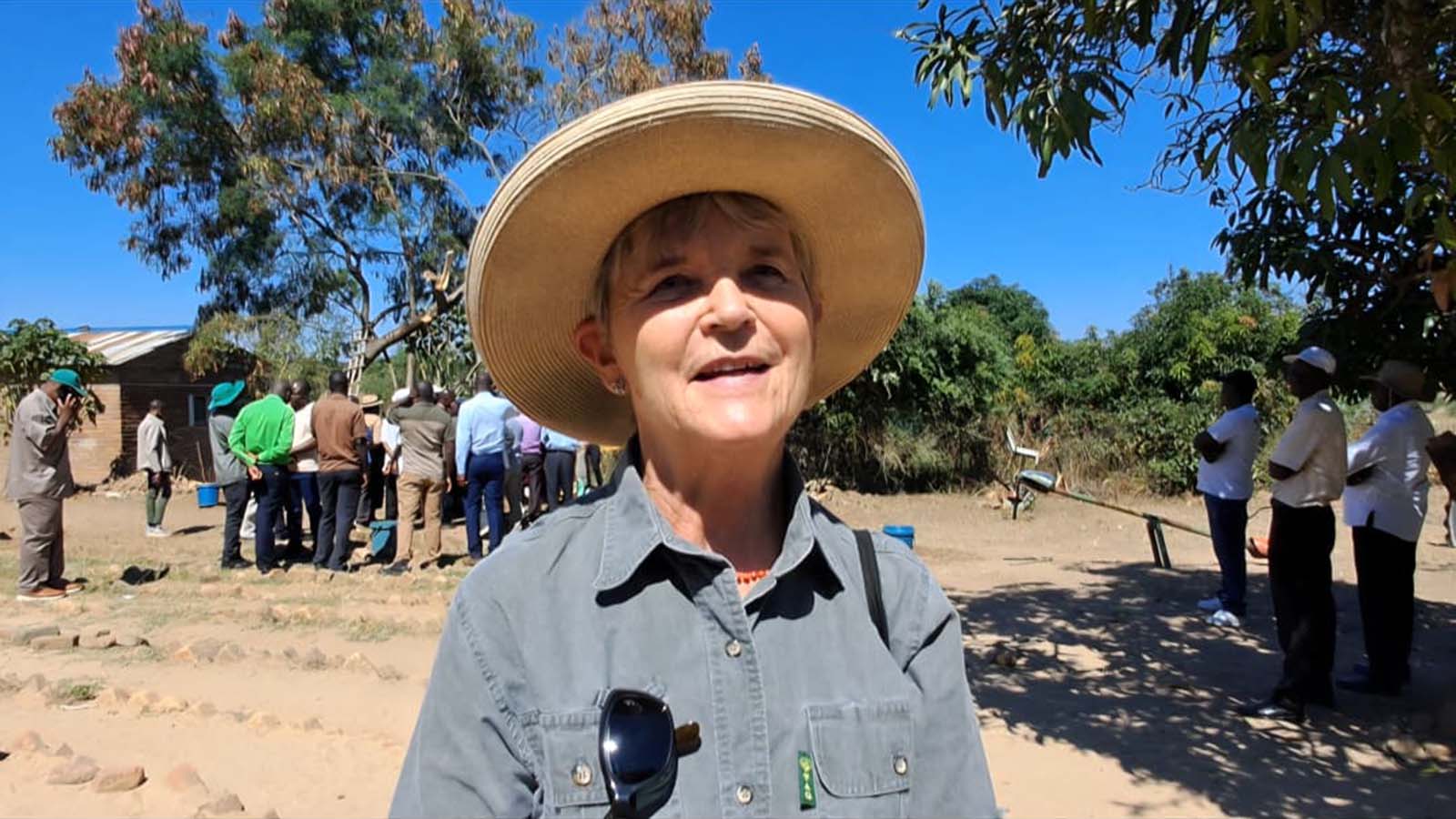
Fungai Lupande
Mashonaland Central Bureau
MASHONALAND Central Province has intensified its fight against veld fires amid fears that this year’s fire season could worsen due to increased biomass following a normal to above‑normal rainy season.
Launching the 2026 Provincial Fire Awareness Week in Mt Darwin, the Secretary for Mahonaland Central Provincial Affairs and Devolution, Mr Timothy Maregere, warned that wildfires continue to threaten lives, forests, wildlife, agriculture, and infrastructure.
The launch was held under the theme: “Prevent, Protect and Preserve: Combating Wildfires Together.”
Mr Maregere said environmental protection was critical in achieving Vision 2030 and the National Development Strategy 2 (NDS2).
He added that communities, traditional leaders, local authorities, private sector players and development partners should work collectively to combat veld fires.
“This launch reaffirms our commitment to protecting lives, property, forests, wildlife, and agricultural resources from the destructive impact of wildfires,” he said.
He noted that Mashonaland Central, whose economy is largely driven by agriculture, mining, and tourism, remains vulnerable to veld fires.
“Wildfires pose a direct threat to our socio‑economic development agenda. Destruction of grazing land affects livestock production, while damage to forests, wetlands, and ecosystems undermines agricultural productivity and climate adaptation efforts,” he said.
Mr Maregere said wildlife habitats in Mbire, Guruve, and Muzarabani were under threat, as veld fires are forcing animals to migrate into neighbouring countries such as Zambia and Mozambique, negatively affecting tourism activities.
He said predictions indicated a high risk of wildfires this year due to significant biomass accumulation after good rains received during the last farming season.
“Areas previously classified as low risk are now very vulnerable, and this calls for intensified prevention and suppression measures across all districts,” he said.
Mr Maregere commended Mt Darwin district for reducing wildfire incidents through awareness campaigns, law enforcement, fireguard construction, and community mobilisation.
He singled out Wards 18, 19, 20, 22, and 29 for embracing fireguard construction, early burning programmes, hay baling, and environmental conservation initiatives.
Environmental Management Agency (EMA) provincial manager, Robert Rwafa, said Ward 19 in Mt Darwin recorded the highest number of veld fire incidents last year.
“We are seeing a change in the recorded cases of veld fires, but we want to record zero,” he said.
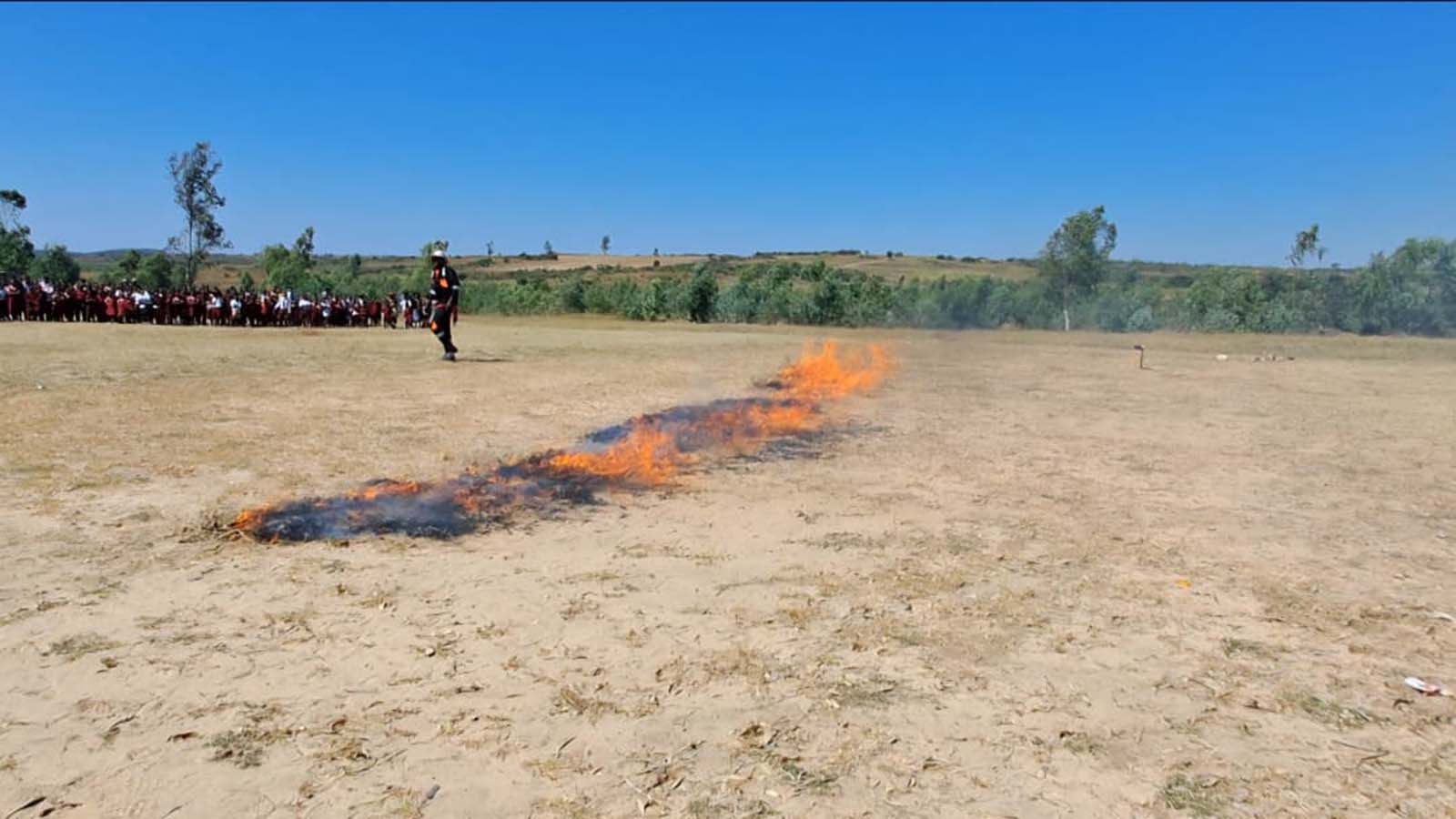
Mr Rwafa said Mashonaland Central recorded a decline in land destroyed by veld fires – down to 142,985 hectares in 2025, representing a 25 percent decrease from previous figures.
Despite the reduction, he said the statistics remain worrying and called for intensified awareness campaigns and stricter compliance with fire prevention regulations.
Mazowe recorded the highest area burnt, followed by Muzarabani, Shamva, Bindura, Mbire, Mt Darwin, Guruve, and Rushinga.
“The majority of the fires took place within residential areas and safari zones. This clearly indicates the need for strengthened community awareness and stricter compliance with fire prevention regulations,” he said.
Speaking at the same event, Humana People to People senior federation officer, Bolette Strandbygaard, said communities should work together in fighting veld fires.
She commended EMA for training communities on proper fireguard construction methods and said protecting forests, homesteads, wildlife, and grazing land requires collective responsibility.
“We always strive to work hand in hand with Government policies when we do our community outreach programmes, training with farmers, and when we work with schools in our area,” she said.
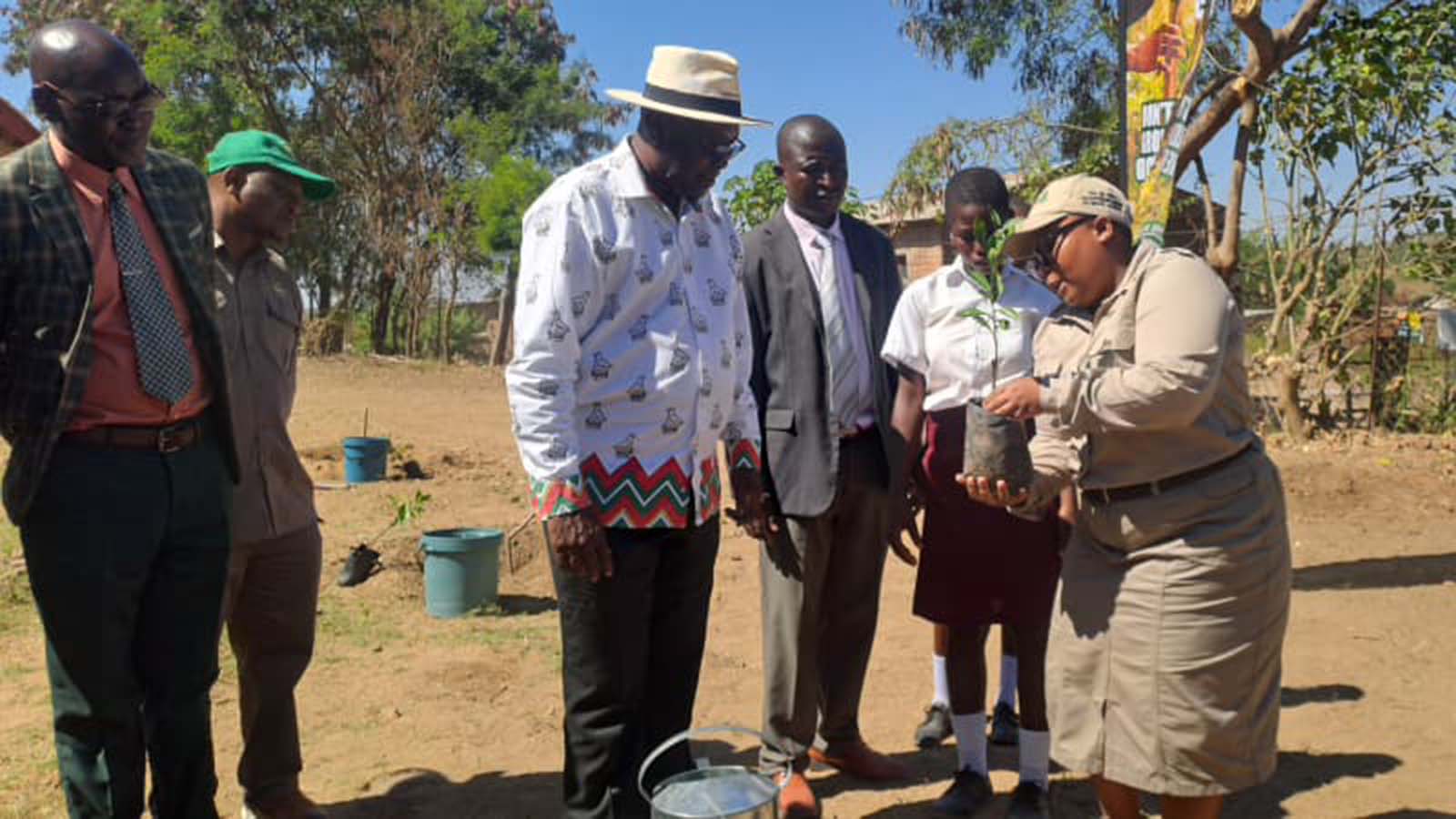
Mt Darwin West legislator, Witness Jonga, said afforestation programmes are helping restore forests, while Agritex extension officers are intensifying campaigns on the construction of fireguards.
Veld fires contribute to environmental degradation, destruction of wildlife habitats, loss of grazing land, and climate‑induced droughts.



