

 Online Reporter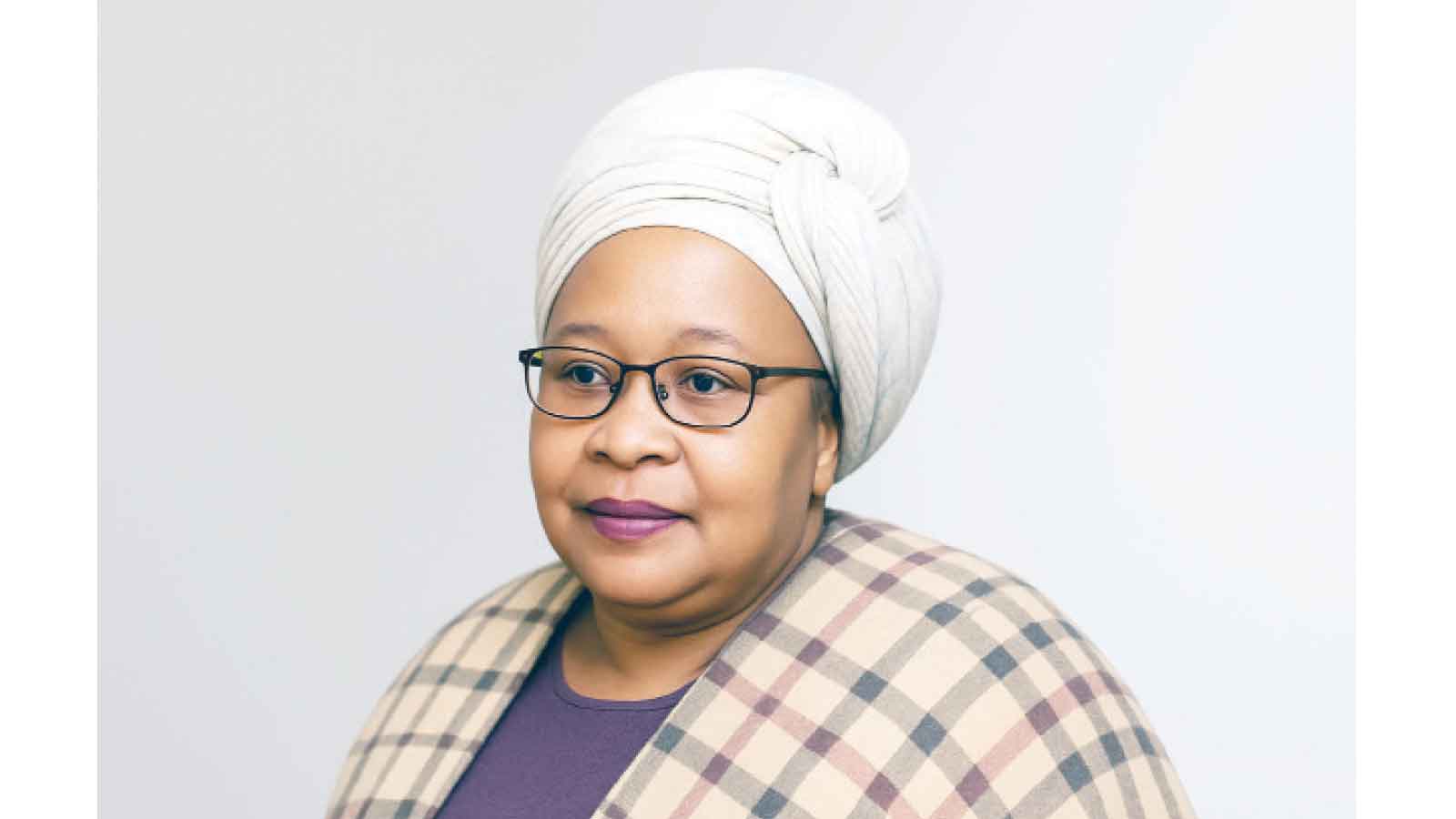
Remember Deketeke-Herald Correspondent
ON her deathbed in a South African hospital in July 2021, Mrs Rosalie Chigariro recorded a WhatsApp voice note to a senior official at the University of Zimbabwe’s Department of Biomedical Sciences (Anatomy Unit).
In that brief message, she made a decision that would make history, she would donate her body to medical science so that future doctors might learn to heal others as medicine had once healed her.
With that act of courage and compassion, Mrs Chigariro became the first black Zimbabwean woman to donate her body to the University of Zimbabwe for medical education and research.
She died soon after, aged 64, and her body was received from Nyaradzo Funeral Home later that month.
A rare act of generosity
Body donation remains rare in Zimbabwe, largely because of deeply rooted cultural and religious beliefs about death and the sanctity of the body.
Many families prefer traditional burials and find the idea of donating a loved one’s remains unsettling, despite the critical role such donations play in training medical professionals.
For this reason, most of the bodies used for study at the University of Zimbabwe’s Anatomy Unit have traditionally come from the white community or from people without known relatives.
Mrs Chigariro’s choice, therefore, represented both a personal sacrifice and a cultural break with tradition — one that challenged long-held taboos while affirming her faith in education and service to humanity.
A life that defied odds
Born frail and sickly, doctors had predicted that she would not survive beyond infancy.
But Rosalie defied every prognosis, growing into a woman of faith, intellect and purpose.
Her family remembers her as a grateful soul who believed that knowledge was an expression of love and that healing should be shared.
In her final act of gratitude, she ensured that her body would continue to serve others even after her death.
A silent teacher
For four years, Mrs Chigariro’s body became a classroom, a silent teacher to hundreds of medical and paramedical students at the University of Zimbabwe.
Future doctors, nurses, physiotherapists, pharmacists, occupational therapists, audiologists, and speech therapists learned anatomy through cadaver, gaining insights that no textbook could provide.
Her remains were returned to her family in October 2025, after all studies had been completed.
On 1 November 2025, the university community gathered at Chishawasha Mission to bid her farewell in a ceremony marked not by sorrow, but by deep gratitude.
“She did not need to be conferred a saint — she lived, and she gained it,” said Mr Devon Kavhura, chief technician in the Department of Anatomy.
Speaking at the ceremony, Mrs Josephine Tendayi Chidaushe described Mrs Chigariro’s donation as a gift beyond measure.
“The gift of body donation is one of the most profound forms of service to humanity,” she said.
“Through her selflessness, Mrs Chigariro became a silent teacher who helped nurture the next generation of doctors, surgeons and health professionals.”
Mr Kavhura added that the University’s ratio of students per body should ideally be six to one, but the scarcity of donations often forces much higher ratios.
“Normally, we receive bodies from the white community. This was the first time we received a body from a black donor,” he said.
“The study of the body is important as every medical student does a module called anatomy.
“My plea is that more people come forward to donate so that our students can learn better.”
He said to donate a body individuals express their intent through written forms or, as in Mrs Chigariro’s case, through an audio declaration, which is then registered officially with the University.
A final resting place of meaning
Her burial at Chishawasha Mission, the place where she had once walked as a young woman full of faith and dreams, carried deep symbolism.
Her sister, Petronilla, speaking on behalf of the family, said they were filled with pride rather than sorrow.
“We are deeply proud of her strength and the legacy she leaves behind,” she said. “Today we say goodbye, not in sorrow, but in gratitude.”
Among the mourners was Michelle van der Heiden, a fifth-year medical student who had learned anatomy through Mrs Chigariro’s donation.
“In medicine, we often say the dead teach the living,” she said.
“Through her remarkable act, Mrs Chigariro became our very first teacher, not through words, but through her silent, selfless gift. Her legacy will forever shape how we serve patients.”
A body that continues to heal
Body donations to the University of Zimbabwe’s Anatomy Unit remain a cornerstone of medical education, bridging the gap between theory and practice.
Each donor represents a vital contribution to the training of healthcare professionals who will one day save countless lives.
In her final act, Mrs Rosalie Chigariro reminded the world that compassion can transcend death and that the human body, even in stillness, can continue to teach, to heal and to inspire.
She is survived by her children — Gilchrist, Etheldreda, Paidamwoyo, and Frances-Clare — and eight grandchildren.



