

 Tinaye Agere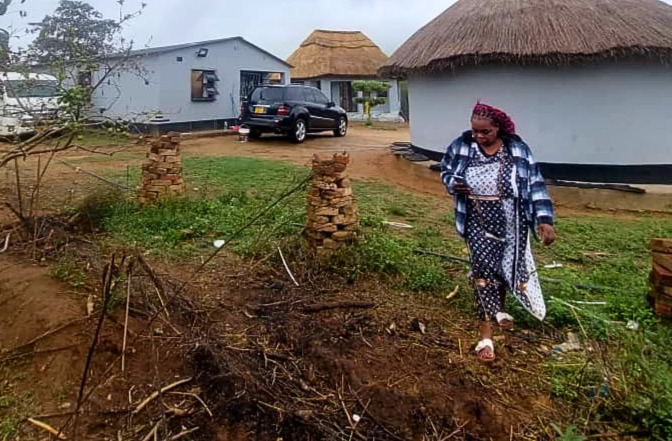
Herald Reporter
IT is inspiring to see women like Mrs Precious Maindidze championing the “urban-to-rural” shift.
Her perspective highlights a significant socio-economic evolution in Zimbabwe, where the traditional pursuit of city life is being recalibrated towards sustainable land use and a return to ancestral roots.
By focusing on her projects in Mukoto Village, Mrs Maindidze is not merely building a retirement plan, but creating a blueprint for decentralised economic growth.
This shift from urban to rural areas represents a meaningful “homecoming” that prioritises land ownership, food security, and long-term sustainability. In a volatile global economy, having a productive base in one’s rural home offers a level of self-sufficiency that city rentals and office jobs cannot always guarantee.
“As they say, musha mukadzi, and indeed women are pillars of development,” said Mrs Maindidze.
“Women are often the primary managers of household resources.”
Together with her husband, Mrs Maindidze is actively involved in agriculture, focusing on poultry and livestock production.
Her approach blends faith with foresight. By framing rural development as a God-given responsibility and encouraging the use of “wisdom to plan,” she bridges the gap between spiritual devotion and practical entrepreneurship. This message resonates deeply in a society where faith and community remain central to everyday life.
Mrs Maindidze is advocating for a “New Zimbabwe,” where the rural landscape is not just a place for holidays, but a productive hub for the future.
Her story serves as a powerful reminder that preparing for life after formal employment is best achieved by planting seeds—both literally and figuratively—in the soil that raised us.


 Online Reporter