Judith Phiri, Zimpapers Business Hub
WOMEN entrepreneurs in the Southern African Development Community (SADC) leather sector are celebrating the transformative impact of regional empowerment initiatives, which have significantly boosted their skills and market access.
Now, with a clearer path to success, these driven business owners are urgently calling for increased financial support to fuel the growth of their burgeoning enterprises.
SADC has been actively working to empower women in the leather sector through various initiatives aimed at enhancing skills, improving market access and fostering entrepreneurship.
A number of women leather sector players from various SADC member states have been empowered and are involved in the leather value chain, while they are calling for financial support to grow their businesses.
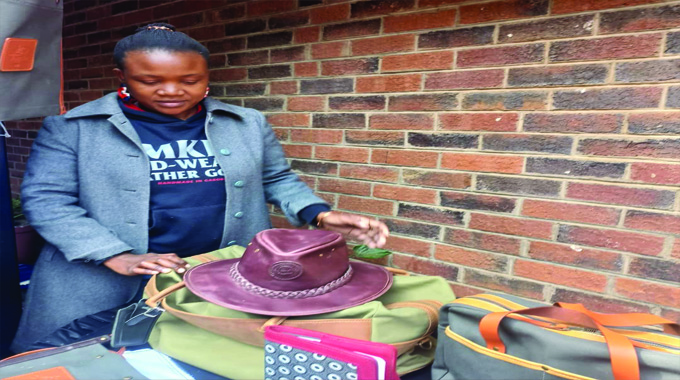
In an interview on the sidelines of the recent SADC Leather Value Chain B2B Workshop in Bulawayo on Wednesday, Mkla Africa Sales and Marketing Manager, Mrs Tendani Sibanda from Botswana, said they were into leather products such as bags, wallets and hats, among others, that are all handmade.
“We are a team of five, two males and three females, while our clients are mainly the private sector and we cater to corporate organisations as well as individual clients who want custom-personalised products.
“We also incorporate cultural materials in our products and we are helping reduce waste in the landfills; the products we use are recycled. We also use real leather which is repairable; customers are able to bring them back and we fix products that would have been damaged. Unlike when people buy fake leather, once it’s damaged, there is nothing that can be done,” she said.
“We were recently trained by a Zimbabwean company for three months and now we are venturing into making leather personal protective equipment (PPE) such as gloves, gowns and aprons, among others. We are servicing the Botswana market but we do look forward to tapping into exporting into the region and beyond as we continue to get training and market linkages through SADC initiatives.”
She said SADC leather sector empowerment programmes have assisted in enhancing skills and improving market access for women in leather which will ensure they contribute to the growth of the regional leather value chain.
Mrs Sibanda said events such as the SADC Leather Value Chain B2B Workshop were helpful to them as women in the leather sector as they get to network with other female entrepreneurs and find out how they are doing their operations in their countries.
“This gives us an opportunity to also find out how they are overcoming the challenges they experience, especially as female entrepreneurs. The industry is still male-dominated so we do need to have empowerment of more female-led businesses.
“This is one of the opportunities where we are able to meet, get insights and training that empowers us on finance, skills development and funding opportunities. As Mkla Africa we are also currently undergoing an export development course facilitated by SADC so that we can utilise online platforms to position ourselves for the export market so we are hopeful that by 2026 we will be in a better position to start exporting,” she added.
Afritech Organic Leather Founder, Chief Executive Officer (CEO) and Technical Expert, Dr Cecelia China from Tanzania, said they sustainably made premium leather products.
“We have been empowered through various SADC leather sector initiatives and as Afritech Organic Leather we have become an award-winning Tanzanian brand redefining Africa’s leather sector through research and development (R&D), innovation, sustainability and craftsmanship,” she said.
She said their latest development was using cashew husk tannins, a game-changer for sustainable leather processing in Africa.
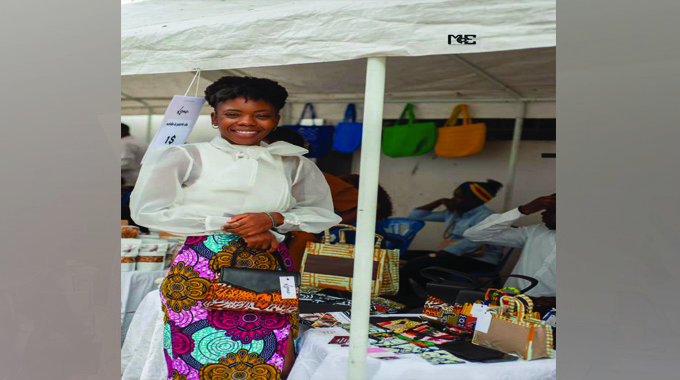
Dr China said as a way of giving back to the community, they were also empowering women and youth, with 70 percent of the artisans they work with being women.
She added: “Our latest programme came about as traditional leather tanning methods rely heavily on chromium salts, which pollute water bodies and soil, pose health risks to tannery workers and drive up costs for waste treatment. Yet, Africa has an abundance of agricultural waste with untapped potential, so our innovation has been developed as a proprietary method to extract natural tannins from cashew nut husks, an agricultural by-product widely available across East Africa.”
“We are looking for investment to scale tannin production, partnerships with tanneries and chemical distributors as well as R&D collaborators for formulation optimisation. We are utilising such platforms as the SADC Leather Value Chain B2B Workshop to look for market access support across the SADC region.”
Lyne Shop BIG Manager, Ms Joslyne Tshumba from the Democratic Republic of the Congo (DRC), said as an entrepreneur in the leather value chain, she has attended a number of SADC leather sector programmes.
“At these programmes, we had the opportunity to meet women entrepreneurs, decision-makers, investors and inspirational leaders from across Africa. Each exchange has opened the door to new ideas, potential collaborations and a broader vision of our role in the African entrepreneurial ecosystem,” she said.
She said as Lyne Shop, they were a brand that combines the elegance of modern trends with the authenticity of African culture, making products such as bags and hats, among other things.
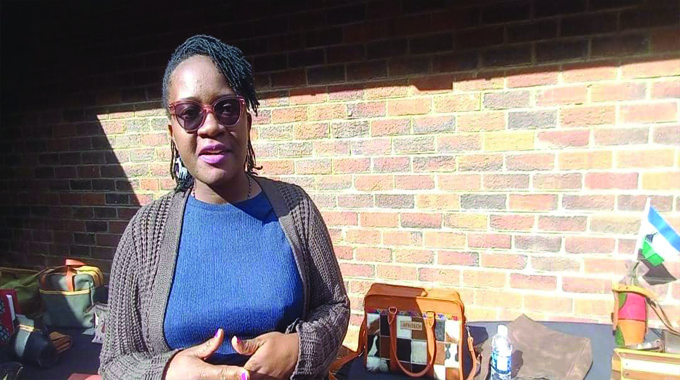
Women in Leather Zimbabwe Chairperson, Ms Otilia Ndlovu of Treadsoftly Leather Products under the Bulawayo Leather Cluster, said Zimbabwean women in the leather sector were motivated by the need to design something unique for women.
“Most of the women make ladies’ handbags, sandals and shoes. In our cluster some also make shoe soles. However, as women we face challenges such as some men being jealous of us and delaying us in our production because we share machines,” she said.
“We are grateful to SADC leather sector programmes because they give us a platform to showcase our African craftsmanship, identify regional markets and encourage us to promote sustainable and ethical production.”
She called for assistance in accessing funding as women in the leather sector as most financial institutions consider women as higher risk, while also requiring collateral that they typically do not possess.
The B2B Workshop aimed to strengthen cross-border collaboration and investment in the leather value chain in line with the SADC Industrialisation Strategy and Roadmap (2015–2063).
Aligned with the Leather Regional Model Policy Framework, the event sought to promote high value-addition, regional competitiveness and the harmonisation of production standards and trade policies.