

 admin
admin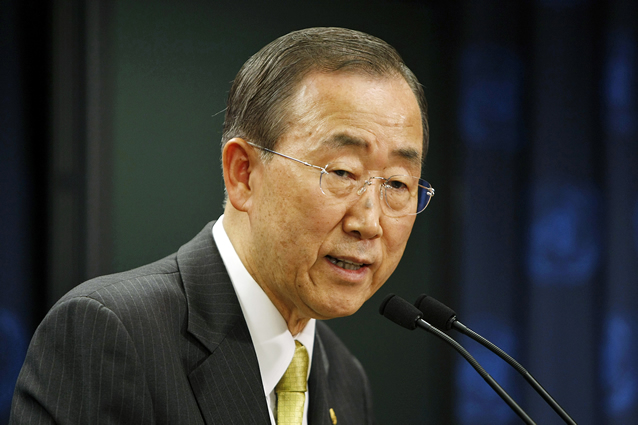
From Caesar Zvayi at the UNITED NATIONS–
THE 69th Session of the United Nations General Assembly enters its second week today with world leaders seized with a broad agenda to tackle multi-faceted challenges confronting the world. This includes peace and security challenges confronting various continents and the Ebola outbreak afflicting parts of West Africa. South Africa, which chairs the Sadc Organ on Politics, Defence and Security Co-operation was scheduled to host a meeting of Sadc member-states to deliberate on the situation in Lesotho and the eastern Democratic Republic of Congo in the wake of their meeting with UN secretary-general Mr Ban Ki-moon yesterday at which they deliberated on the situation in the Great Lakes Region of which the DRC is a part.
At their meeting at the SA ambassador’s residence, Sadc foreign affairs ministers are expected to brief each other on the outcome of the Double Troika Summit held in Pretoria last week.
Lesotho Prime Minister Thomas Thabane fled following a coup in the kingdom last month. Sadc leaders then convened a Troika meeting in Pretoria, where Zimbabwe attended in her capacity as Sadc chairperson to bring normalcy in the kingdom.
After the summit, the leaders came up with a communiqué urging leaders of the coalition government in Lesotho to uphold their commitment towards restoration of constitutional normalcy in the kingdom and to bring forward poll dates from 2017 to a date to be agreed on upon consultations between the coalition leaders among other issues.
The UN yesterday said it had dedicated US$1 billion to fight Ebola over the next six months.
Over the past two decades, the Great Lakes region has been the epicentre of tragic violence and suffering from the Rwandan Genocide of 1994 to the devastating invasion of the DRC by US-backed Ugandan and Rwandan rebels who were only repelled by Zimbabwe’s leadership of Operation Sovereign Legitimacy that brought together Zimbabwe, Angola and Namibia who were members of the Sadc Troika then under the able leadership of Zimbabwe.
Despite progress made in fostering peace over the years, conflict still ravages eastern DRC, long plagued by state weakness and competition for its abundant resources.
Recurring conflicts between armed groups continue to claim numerous lives and displace tens of thousands of people.
Today, however, under a new UN-brokered agreement, governments of the Great Lakes and the international community are seeking a lasting solution to the seemingly never-ending state of conflict in the region.
The Peace, Security and Co-operation Framework for the DRC and the region, signed in Addis Ababa, Ethiopia, in February, brings 11 nations of the region and beyond into a comprehensive pact to stop the cycles of conflict by resolving their root causes and fostering trust between DRC and its neighbours.



 Online Reporter