Chronicle Editor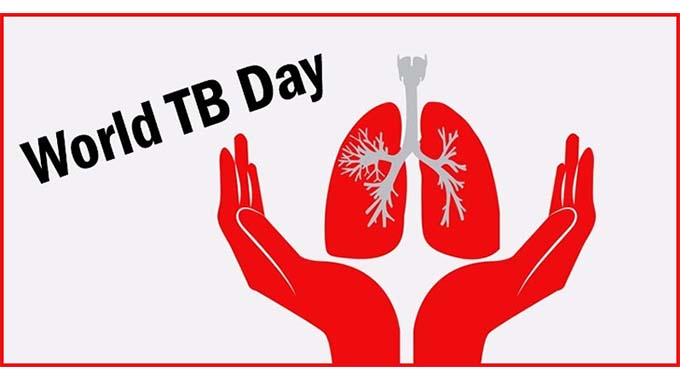
Dr Tatenda Simango
EACH year we commemorate World Tuberculosis (TB) Day on March 24 to raise public awareness about the devastating health, social and economic consequences of TB, and to step up efforts to end the global TB pandemic. The date marks the day in 1882 when Dr Robert Koch announced that he had discovered the bacterium that causes TB, which opened the way towards diagnosing and curing this disease. TB remains one of the world’s deadliest infectious killers.
The theme of World TB Day 2021 — “The Clock is Ticking” — conveys the sense that the world is running out of time to act on the commitments to end TB made by global leaders. This is especially critical in the context of the Covid-19 pandemic that has put End TB progress at risk, and to ensure equitable access to prevention and care in line with World Health Organisation (WHO)’s drive towards achieving Universal Health Coverage.
In the past, TB was a major cause of death around the world. Following improvements in living conditions and the development of antibiotics, the prevalence of TB fell dramatically in industrialised countries. However, in the 1980s, numbers started to rise again. The WHO described it as an “epidemic” (wide-spreading). They report that it is among the top ten causes of death globally and “the leading cause of death from a single infectious agent.”
TB is an infectious disease that usually affects the lungs, though it can affect any organ in the body. It can develop when bacteria spread through droplets in the air. TB can be fatal, but in many cases, it is preventable and treatable. A person may develop TB after inhaling Mycobacterium tuberculosis, the causative agent.
When TB affects the lungs, the disease is the most contagious but a person will usually only become sick after close contact with someone who has this type of TB. A person can have TB bacteria in their body and never develop symptoms. In most people, the immune system can contain the bacteria so that they do not replicate and cause disease. In this case, a person will have TB infection but not active disease.
Doctors refer to this as latent TB. A person may never experience symptoms and will be unaware that he or she has the infection. There is also no risk of passing on a latent infection to another person. However, a person with latent TB still requires treatment. A person with latent TB will have no symptoms and no damage will show on a chest X-ray. However, a blood test or skin prick test will indicate that they have TB infection.
The body may be unable to contain TB bacteria. This is more common when the immune system is weakened due to illness or the use of certain medications. When this happens, the bacteria can replicate and cause symptoms, resulting in active TB. People with active TB can spread the infection.
The risk of developing active TB is in:
– anyone with a weakened immune system,
– anyone who first developed the infection in the past two to five years,
– older adults and young children,
– people who use injected recreational drugs,
– people who have not received appropriate treatment for TB in the past,
– HIV or Aids,
– Diabetes,
– Severe kidney disease,
– Head and neck cancers,
– Cancer treatments such as chemotherapy,
– Low body weight and poor nutrition,
– Medications for organ transplants,
– Certain drugs to treat rheumatoid arthritis, Crohn’s disease, and psoriasis.
A person should see a doctor if;
– a persistent cough, lasting at least three weeks,
– phlegm, which may have blood in it, when they cough,
– a loss of appetite and weight,
– a general feeling of fatigue and being unwell,
– swelling in the neck,
– a fever,
– night sweats,
– chest pain.
TB usually affects the lungs, though symptoms can develop in other parts of the body. This is more common in people with weakened immune systems.
TB can cause:
– persistently swollen lymph nodes, or “swollen glands”,
– abdominal pain,
– joint or bone pain,
– confusion,
– a persistent headache,
– seizures.
Ways of preventing TB from infecting others include:
– getting a diagnosis and treatment early,
– staying away from other people until there is no longer a risk of infection,
– wearing a mask, covering the mouth, and ventilating rooms,
– anti-TB vaccination — the bacillus Calmette–Guérin (BCG) vaccine, is given to every baby at birth in Zimbabwe.
People infected with TB bacteria have a five to 10 percent lifetime risk of falling ill with TB. Those with compromised immune systems, such as people living with HIV, malnutrition or diabetes, or people who use tobacco, have a higher risk of falling ill. People with active TB can infect five to 15 other people through close contact over the course of a year.
Currently, antibiotic resistance is causing renewed concerns about TB among experts. Some strains of the disease are not responding to the most effective treatment options. In this case, TB is difficult to treat and is termed multi-drug resistant TB (MDRTB).
Systematic screening can benefit people who are at risk of getting TB as early detection and start of treatment can improve their outcomes and reduce their costs. It can also benefit entire communities at higher risk for TB by reducing the prevalence of TB disease and preventing people from falling ill with TB in future. Till next week stay safe and mask up.



 Online Reporter