

 Online Reporter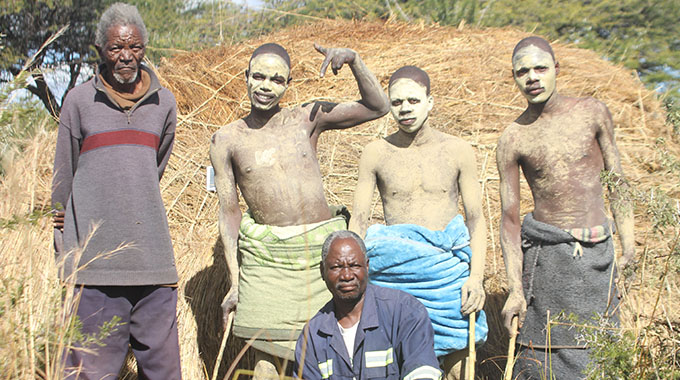
Raymond Jaravaza, [email protected]
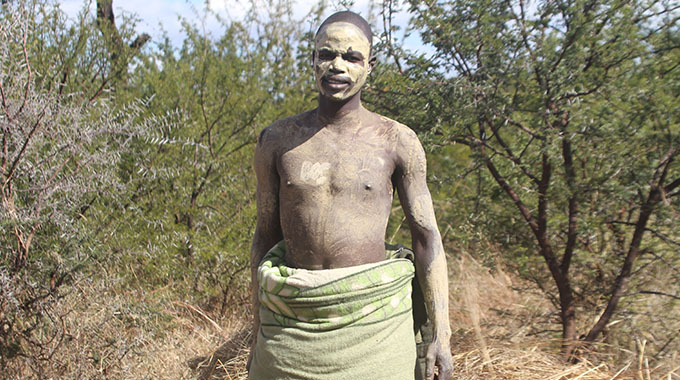
A recently constructed oval-shaped grass hut, located near a modest homestead in Emazizini village, Mbembesi, Matabeleland North, will serve as a temporary home for three young men following their participation in a traditional male circumcision ritual held a few days ago.
The ceremony, known as Umguyo in the Xhosa language, marks a rite of passage into manhood and grants the initiates the societal right to be recognised as men.
A young man, who does not undergo the circumcision ritual is referred to as an inkwenkwe. He is denied the respect of his peers and is excluded from village or family meetings where important matters are discussed, an elderly Xhosa villager told Zimpapers in Mbembesi yesterday.
Outsiders and non-family members are typically kept away from the oval-shaped hut where the initiates will reside for a month or longer, depending on how quickly they recover from the surgical removal of their foreskins.
However, a Zimpapers news crew was granted rare access to the hut, with community elders expressing a desire to dispel widespread misconceptions about the ritual.
“There are so many misconceptions about the Umguyo ceremony, and we are happy to show you around so that, as journalists, you can gain a better understanding of the ritual our boys undergo to be considered men,” said Mr Daniel Masuku, as he led the crew to the hut.
Women are strictly prohibited from approaching the hut. Their role is limited to preparing food for the initiates, which is delivered by elderly male community members.
“We don’t respect a man, who hasn’t gone through the circumcision ritual, regardless of his age. He will always be referred to as an inkwenkwe. An inkwenkwe is not permitted to sit with other men or take part in discussions about serious issues affecting the village or family,” Mr Masuku explained.
Among the initiates is Mr Masuku’s 19-year-old grandson, while the other two are also close relatives, who chose to undergo the ritual in their early twenties.
“My grandson is the youngest; the others are slightly older. They will remain in the hut until they have fully healed. During that time, they’ll also be taught the importance of respect — within both the family and the wider community.
“Being a man comes with responsibilities, and the Umguyo ceremony is not just about circumcision; it is about preparing these young men for adulthood,” he said.
Mr Masuku noted that older Xhosa men, who never underwent the ritual can still be initiated by joining younger men during the annual ceremonies, thereby gaining full acceptance in Xhosa culture.
“Some years ago, a villager returned from overseas. He was already married but underwent circumcision in his 40s. Today, he is fully recognised as a man within our village.”
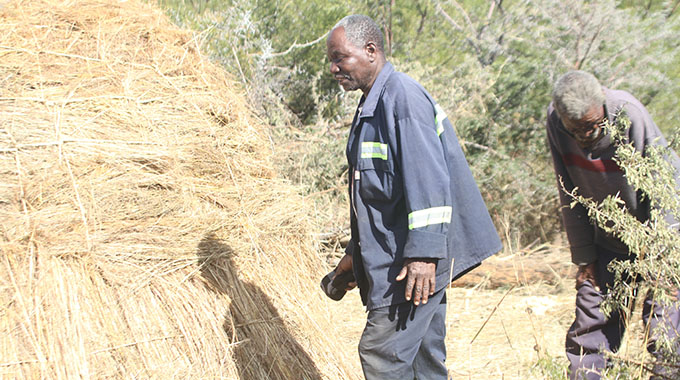
Mr Mpilelelo Hadebe, a seasoned traditional surgeon and overseer of the initiates, has been performing circumcisions for over 25 years. He explained that the rituals are deliberately conducted during winter to promote faster healing.
“In all the 25 years I’ve performed these procedures, we’ve never had to rush an initiate to hospital or the local clinic. “It’s a calling passed down through generations. I learnt from my grandfather, who was also a traditional surgeon. We don’t do this for money, but to preserve our culture and way of life,” he said.
Mr Hadebe said the initiates will remain in the hut until he is satisfied that their wounds have fully healed.
“The hut was built specifically to house the boys until they recover. I apply traditional medicine to their wounds, and after a month or less, they will leave here as men,” he said.
In Xhosa tradition, all boys must undergo circumcision upon reaching adulthood. The ceremony symbolises the transition from boyhood to manhood.
“Even Ndebele boys living in Xhosa communities have adopted the practice, to be accepted and recognised. We’ve had boys whose mothers are Xhosa but whose fathers are not, and yet they still return to the village to undergo the ritual,” said Mr Hadebe.
Despite the pain associated with the procedure, many young men eagerly anticipate circumcision to avoid ridicule from their peers.
“This tradition dates back to the early 1800s. We came from Natal and moved to the Eastern Cape in the 1830s. Later, we settled here in 1898, with the last group arriving around 1900,” said village head Mr Victor Phakamile.
Mr Phakamile proudly noted that no deaths or serious injuries have been recorded in his area for over two decades.
The circumcision ceremonies are expected to continue until late July.
“Instead of large groups of boys gathering in one location for the ceremony, small groups now come together at individual homesteads to undergo the ritual. We no longer designate specific homesteads as circumcision centres,” said Mr Philani Diwili, secretary to the Maqaqeni village head. However, the Xhosa circumcision tradition has not been without controversy. Critics argue that it may pose health risks and infringe on human rights.
A few years ago, the Zimbabwe Human Rights Commission stated that the mutilation of body parts constitutes a rights violation unless carried out with informed consent.



453 males died of circumcision in the Eastern Cape Province of ZA in a seven year period, and there were also 214 pen-le amputations. Google “ulwaluko” for gruesome photos of the results. The sooner this bizarre and outdated tradition dies out, the better. No-one becomes a man by having parts of their manhood cut off anyway.