Online Reporter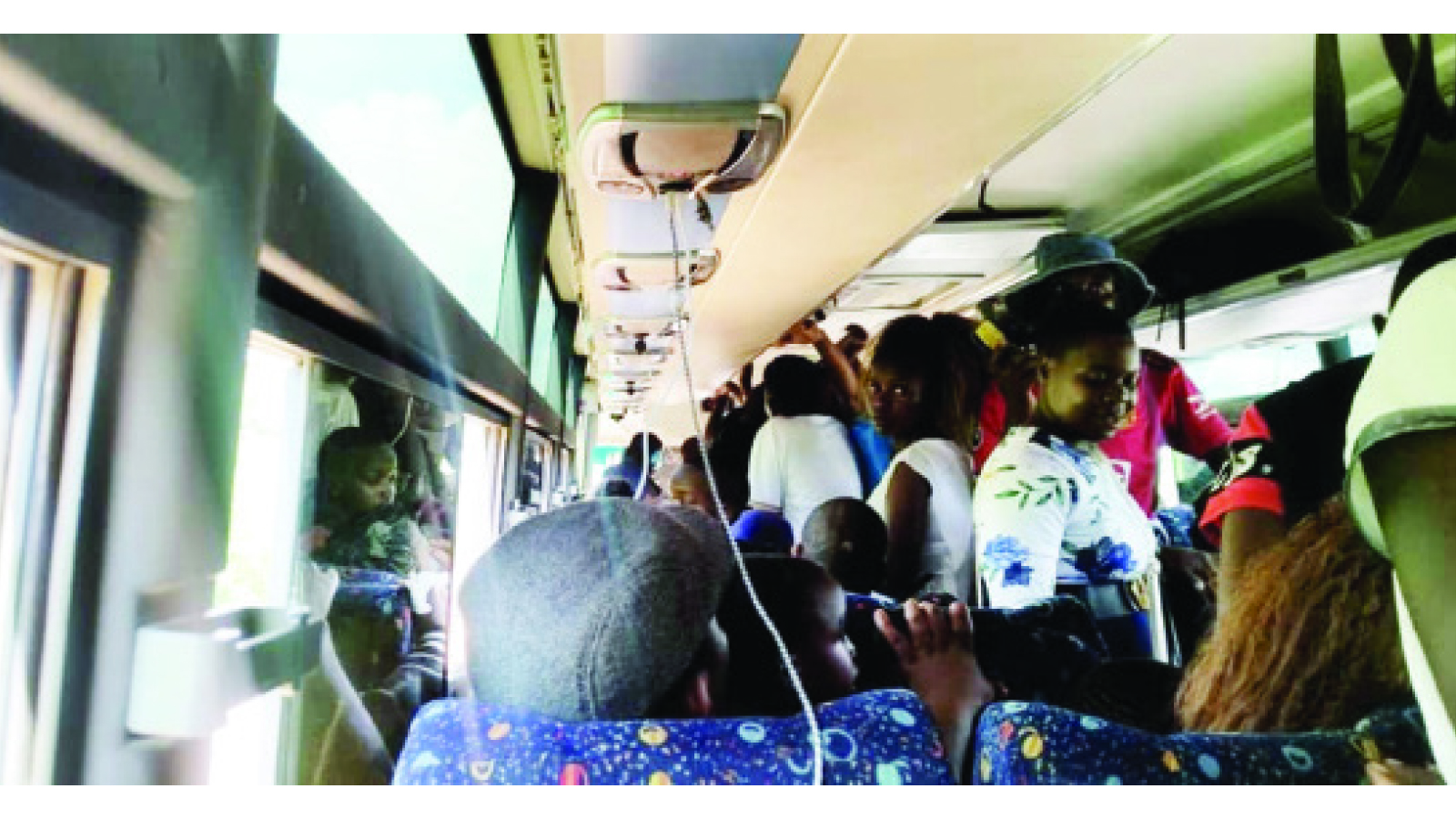
Your Money, Your Call-Cresencia Marjorie Chiremba
IT is a story that should shake us to the core.
A man survived a bus accident that claimed 43 lives.
However, the tragedy was preventable.
The man claimed he had travelled over 1 000km standing, squeezed in the vehicle, misled into believing that space would open up along the way.
It did not.
He was forced to endure the entire inter-country journey like that, with no seat, no belt and no real chance of survival had things gone wrong.
And they did.
This is not just about one man.
It is about a system that normalises lethal risk, that treats human beings as mere cargo and that fundamentally prioritises profit over lives.
It is about the hundreds of passengers who board buses every day across Southern Africa trusting that someone has thought through their safety — and discovering too late that no one has.
We need to say it clearly: The practice of having standing passengers, especially on long-distance buses, should never be tolerated.
It is not just uncomfortable — it is illegal, unethical and inexcusable.
No matter how urgent the journey is, no matter how full the bus is, no transporter should ever allow a passenger to travel without a seat.
Not for 10km. Not for 1 000km.
The tragedy is that this practice is often disguised as “kindness”: “We did not want to leave anyone behind”, “He begged to be picked up”, “We thought someone would drop off soon”.
In every circumstance, it is important to consider safety first.
Transporters must understand that they are not just moving people, but they are responsible for their lives as well.
Every decision they make — from how many tickets they sell to how they respond to last-minute passengers — has consequences.
A full bus is a full bus.
Anything beyond that is reckless endangerment.
And it is not just about seating.
It is about the condition of the bus, the driver’s training, clarity of emergency procedures and honesty of communication.
Passengers deserve to know where they are going, how long it will take and what to expect.
They deserve to be treated with dignity, not deception.
We also need regulators to step up.
Enforcement must be visible, consistent and uncompromising.
If a bus is overloaded, it should not be on the road.
If a company repeatedly violates safety standards, it must lose its licence.
We cannot keep mourning preventable deaths while turning a blind eye to systems that cause them.
But change does not start only with policy.
It starts with culture and with transporters who take pride in doing things right.
It also starts with passengers who demand better and communities that refuse to accept “it is just how things are”. Further, it starts with stories that remind us all what is at stake.
Let us honour the lives lost by refusing to repeat the mistakes that cost them.
Let us build a transport culture where safety is not a luxury, but a baseline.
Every transporter must know that if they cannot carry everyone safely, they should not carry them at all.
No destination is worth dying for.
Cresencia Marjorie Chiremba is a marketing, sales and customer service consultant. For suggestions and training, contact her on: [email protected] or +263712979461/0719978335
0772 978 335.