Vusumuzi Dube
Peter Matika, [email protected]
AT a time when most young people dream of city offices, designer suits and air-conditioned boardrooms, 22-year-old Tanaka Machingura has chosen a different path — one that leads through the open fields and the rhythm of nature.
Armed with passion, purpose and a diploma in agriculture, Tanaka believes the future lies not behind a desk, but in the soil that feeds a nation.
She was one of 106 students who graduated during the 27th Esigodini Agricultural College graduation ceremony held last Friday. Standing proudly among her peers, she walked away with three awards — Best Agricultural Extension Student, Best Behavioural Influencer and Best Chess Player — proof that her hands-on commitment and intellect go hand in hand.
“I have always had a deep connection with nature and a strong belief in the potential of agriculture to create a sustainable future. Working on the land brings me joy and fulfilment that I believe transcends the confines of a traditional desk job,” she said, smiling shyly as she adjusted her graduation gown.
In a generation where many chase quick success in offices or abroad, Tanaka’s story stands out. She is part of a new crop of educated young Zimbabweans who are returning to the land, driven by a belief that agriculture can be both profitable and purposeful.
“By pursuing a blue-collar job in agriculture, I am not only demonstrating my passion for the land but also highlighting the importance of diversifying career options to include manual labour-intensive roles that are vital for sustainable living,” said Tanaka.
Her words echo the call made by Lands, Agriculture, Fisheries, Water and Rural Development Minister Dr Anxious Masuka, who officiated at the ceremony. He urged graduates to turn farming into big business, stressing that Zimbabwe’s future prosperity depends on how effectively young people harness the potential of the land.
“We are no longer training for aggregates or extension; we are training for partnerships — for the beneficiaries of the Land Reform Programme. You don’t have to own land to do business on land,” said Dr Masuka.
“Those who own land possess a valuable asset; you, the graduates, own knowledge. Together, you can create joint ventures that build wealth, transform communities and make agriculture a true business.”
Dr Masuka said Vision 2030 and the Agricultural and Food Systems Transformation Strategy are anchored on transforming rural areas into hubs of productivity and innovation through youth-led enterprises.
Among the graduates was Mfundo Ncube, who scooped the overall First Prize and Best Student Award. For him, the recognition was the culmination of years of dedication and late nights spent studying crop management and soil science.
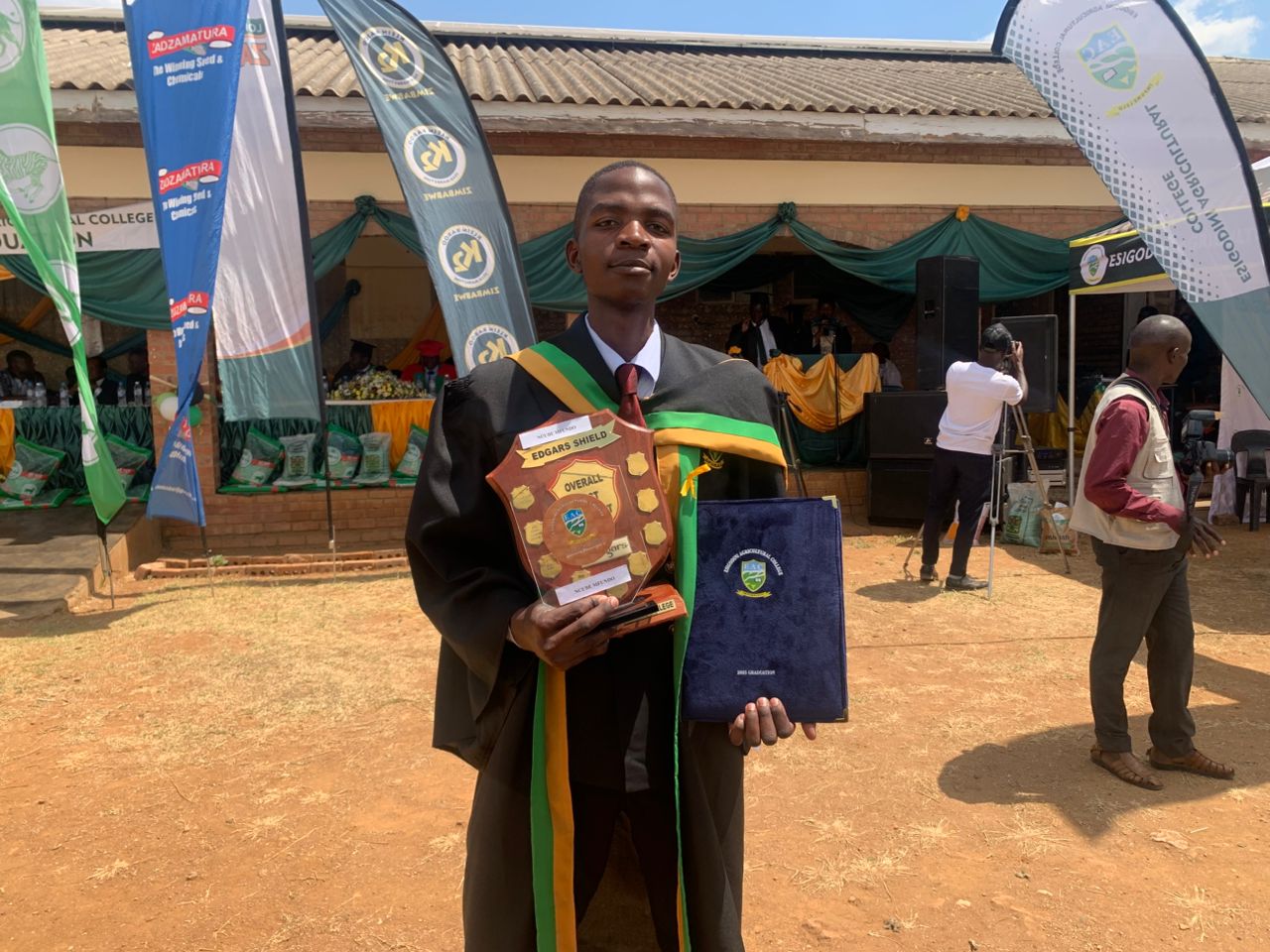
“I am truly honoured to be recognised among my peers for my dedication and commitment to agriculture. This award is a testament to the hard work and passion I have invested in my studies, and I’m grateful for the opportunity to contribute to the country’s growth through farming.”
Mfundo’s quiet determination and Tanaka’s fearless optimism symbolise a shifting mindset among Zimbabwe’s youth — from viewing farming as a last resort to seeing it as a profession of pride, science and opportunity.
He said the diploma in agriculture provided him with a platform to enhance his knowledge and skills in the agricultural sector, equipping him with the expertise required to excel in the industry.
“I want to make a meaningful impact in the field of agriculture, contributing to the growth and development of the industry and the country,” said Mfundo.


 Online Reporter