admin
admin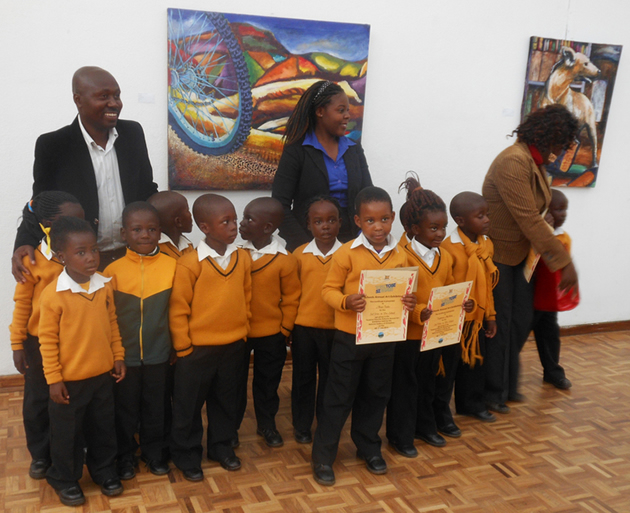
Stephen Garan’anga
For years now Zimbabwe has been grappling with erratic rainfall patterns, economic hardships and in cities the growth of human population and their activities have severely compromised the well-being of natural habitat causing unimaginable environmental degradation.
Expansive human settlements are intruding in what used to be no go areas and this has been let to exist until irreparable damage has wreaked havoc. Unspurred have been the country’s wetlands whether in urban settings or rural areas. Mazhenje, mapani or amaxhaphozi have diminished regrettably and in some areas have been completely wiped out to cause the extinction of the wetlands’ natural species.
In some rural areas the natural roles of the wetlands have been diverted to serve human needs like in my rural home where in these sensitive open grass marshes we grew up herding cattle, hand excavate for fishing worms, and extract reeds for our primary school’s basketry for the art and craft corner-shave been allocated to families as pieces of their vast fresh produce gardens. In cities like Harare insurmountable amounts of refuse have been dumped into the wetlands, residential stands have been allocated and built right across these areas in various suburbs and road networks as property servicing in some areas like the space in-between Highlands’ Pockets Hill, Borrowdale Race Course, Gunhill and Churchill Avenue is continuing and almost complete whilst there is this outcry to preserve the wetlands and in face of various pieces of legislation.
The Environmental Management Act(CAP20:27), defines wetlands as areas of marsh, fern, peat-land or water, whether natural of artificial, permanent or temporary, with water that is static and flowing, fresh, brackish or salt, including riparian and adjacent to the wetland. And this Act of year 2002, Statutory Instrument 7 of 2007 Environmental Management (EIA and Ecosystems Protection Regulations) regulate wetland utilisation in Zimbabwe. Together they state that the Minister of Environment may declare any wetland to be an ecologically sensitive area and may impose limitations on the development in or around such an area.
These pieces of legislation also prohibit the reclamation or drainage of any wetland, disturbance of any wetland by drilling or tunnelling in a manner that has or is likely to have an adverse impact on any wetland or adversely affect any animal or plant life therein and introduction of any exotic animal and plant species into the wetland.
With this regard the National Gallery of Zimbabwe in Harare with its endeavour to foster art education in schools partnered the Environmental Management Agency in conducting an exhibition with awards under the theme “Going . . . Going . . . Gone: Vanishing Wetlands”. This is the third edition of National Gallery’s Tavatose Sisonke: Schools Annual Visual Art Exhibition of works from primary and secondary schools of the country’s various provinces.
The Gallery says with the exhibition it is also providing a platform from which it could establish a factual assessment of areas of needs for those teaching art in schools so that they could assist them on effecting art education as a way of complementing their efforts of imparting art knowledge to the children at an early age.
The show does not only inspires the children to be creative and be able to convey important messages through art but also provides the teachers with a clear perspective of the level of competitiveness at national level so that they could improve their students.
With the support from the Environmental Management Agency, the National Gallery was able to reach out to a considerable number of far afield under-served schools for the first time. For this year’s Tavatose Sisonke edition the Gallery began their outreach programme of art teachers’ training workshops in various provinces in February 2015. With a given theme “Going . . . Going . . . Gone: Vanishing Wetlands” the intension was to develop a greater awareness of the importance of preserving wetlands and install these critical issues to students at an early age.
There was an overwhelming response to the open call for participation in the exhibition which also provides school- children with a platform to showcase their artworks professionally. With seven provinces participating, it was pleasing to note of stronger rural schools’ participation.
There were eight level categories of participation starting from the pre-school and Early Child Development to the fifth and sixth forms. The work was quite satisfactory though much work still needs to be done for the early grades.
A lot of creativity was evident in the high schools’ categories and the upper primary grades. Outstanding work was in the three-dimensional mixed media category with Founders High School having much of the highly commendable work.
The National Gallery of Zimbabwe and the Environmental Management Agency partnership intends to roll out later in this year in preparation for 2016’s Tavatose Sisonke edition so that they could reach out to other provinces they could not this year.
This time they will be tackling the ‘‘Waste Management’’ theme and the hope is to have a growing project with a high communicating impact and enhanced children’s creative abilities and skills.



 Online Reporter