Online Reporter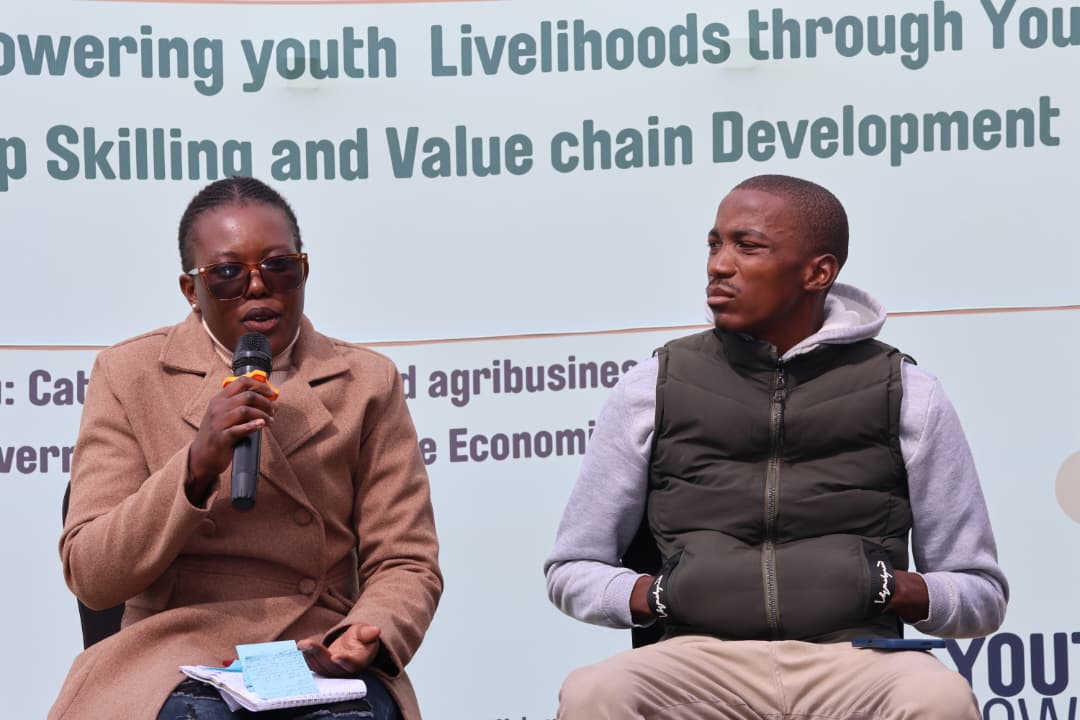
Theseus Mauruki Shambare
YOUNG farmers are increasingly active across the agricultural value chain, but continue to be held back by weak systems of access to land, finance and markets, according to findings of a youth-led study presented in Harare today.
The findings emerged during a panel discussion where young researchers unveiled results of a study titled From the Ground Up: Youth, Evidence and Agriculture in Zimbabwe, which was conducted in Harare and Nyanga.
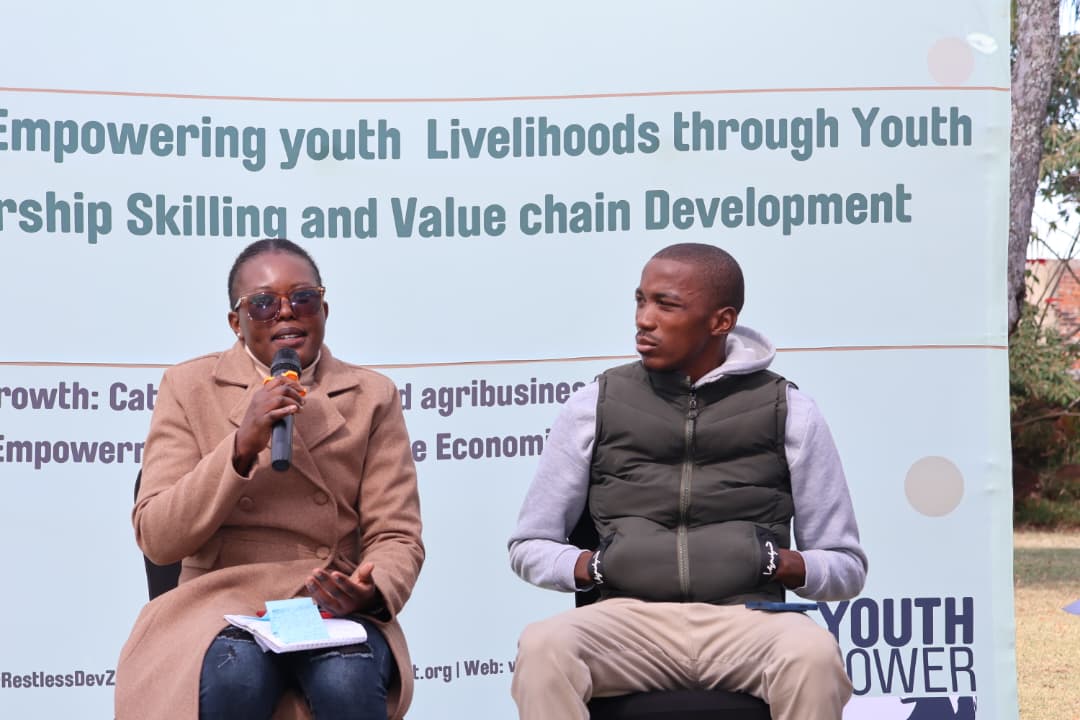
The research was led by 12 young researchers and drew on consultations with 521 participants, 62 percent of whom were women, reflecting growing female participation in agriculture-related activities among young people.
Presenting the findings, Tinashe Chikumbe of Ushewekunze in Harare said the study established that the main challenge facing young farmers was not lack of involvement, but the absence of enabling systems that allow them to scale up their enterprises.
“Zimbabwe’s agricultural sector is not short of young people. It is short of systems that work for them,” he said.
“We found young people already engaged in farming, processing and trading, but they remain stuck at subsistence level because of structural barriers in land access, finance and markets.”
Chikumbe said young people in urban and peri-urban farming areas were increasingly participating in production and agribusiness activities, but remained constrained by lack of collateral and exclusion from formal financing structures.
He noted that despite growing enthusiasm among youth, many were unable to expand operations due to limited institutional support and restrictive lending requirements within formal financial systems.
Another researcher, Mitchell Tembo from Chitungwiza, who participated in fieldwork in Nyanga, said the study revealed a sharp gap between youth aspirations and the realities on the ground, particularly in rural farming communities.
“In Nyanga, we saw strong youth participation in agriculture, but most of it remains vulnerable and unsupported,” Tembo said.
“Young people are innovating, but they do not have secure access to land or reliable financing, which limits them to survival rather than growth.”
She said many young farmers were operating under informal land arrangements that exposed them to risks of displacement and inconsistent access to agricultural support programmes.
The study found that while young people are engaged in production, processing, wage labour and informal agricultural trade, they remain largely confined to low-value segments of the sector due to structural constraints.
Key barriers identified include limited access to land, exclusion from financial systems that require collateral or guarantors and market structures that continue to favour established commercial players.
The researchers also argued that existing policy interventions often prioritise increasing youth participation in agriculture without adequately addressing the systemic inequalities that prevent young people from scaling up their activities.
The findings further highlight that many young farmers are adopting “multi-activity survival strategies” as a coping mechanism in response to unstable agricultural incomes and inconsistent support systems.
The panel discussion in Harare brought together young researchers, development practitioners and policymakers, with calls for reforms to strengthen youth inclusion in irrigation schemes, agricultural financing systems and land governance frameworks.
The researchers said their work demonstrates that young people are not merely beneficiaries of agricultural programmes, but active contributors and co-designers of agricultural systems that require formal recognition and institutional support.
“Elevating youth-led evidence is critical in shaping more responsive agricultural policies that reflect the realities faced by young farmers across both urban and rural settings,” said Tembo
The presentation forms part of a broader effort to amplify youth voices in Zimbabwe’s agricultural development discourse and to inform more inclusive policy design going forward.


 Bongani Ndlovu