Online Reporter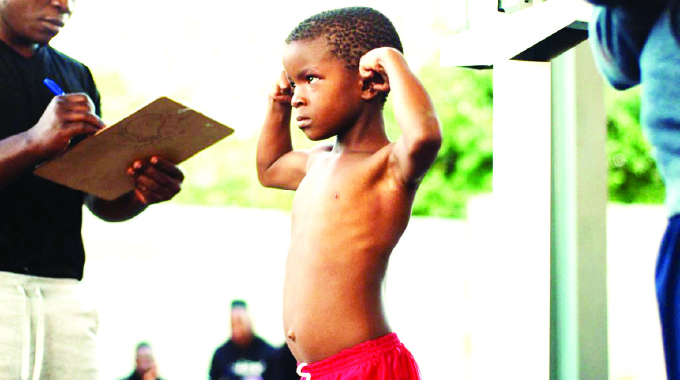
Langalihle Mhiti
Zimpapers Arts and Entertainment Hub
ZIMBABWE’S film industry is experiencing a renaissance, propelled by a new generation of passionate and innovative young filmmakers.
These creatives are not only telling compelling stories but also challenging traditional narratives and pushing the boundaries of Zimbabwean cinema.
One of the most notable successes this year is the short film ‘Rise’, written and directed by Jessica J. Rowlands and produced by Joe Njagu.
The film won the Shine Global Children’s Resilience Short Film Award at the 2025 Indy Shorts International Film Festival.
‘Rise’ tells the story of a young boy living on a rubbish dump in Zimbabwe who convinces a reclusive boxing coach to teach him to fight, inspired by the true story of Tobias Mupfuti, who started a boxing academy and orphanage in Victoria Falls.
The film features an all-Zimbabwean cast and crew, showcasing the country’s talent on an international stage. Jessica J. Rowlands, reflecting on the film’s themes, stated:
“At its core, ‘Rise’ is about what it means to be seen. Whether you’re a young boy in Zimbabwe or a kid growing up anywhere in the world, we all need someone to believe in us.
“That’s what mentorship offers.”
Another emerging talent is Simbarashe Nyahwa, whose work on projects like The 11th Commandment and Mfumukazi earned nominations at the Africa Magic Viewers’ Choice Awards (AMVCA).
“I firmly believe that film plays a pivotal role in the development of countries.”
The European Film Festival Zimbabwe’s Bioskop Short Film Competition continues to be a vital platform for young filmmakers.
In 2025, the festival celebrated its 10th edition with the theme “She Means Business!”, highlighting influential women in the industry.
The competition showcased a diverse range of films, including Underrated Strokes by Ndabezinhle Khoza and Peggy by Jonathan Samukange, reflecting the depth of talent in Zimbabwe’s film scene.
The Zimbabwe International Film and Festival Trust (ZIFFT) also plays a crucial role in nurturing young talent through programs like Outreach2Educate (o2e) and the Short Film Project (SFP).
These initiatives offer free filmmaking workshops and screenings, focusing on children and young adults, and have produced over 36 short films distributed locally and internationally.
Recognising the potential of the film industry, the National Arts Council of Zimbabwe (NACZ) launched the Zimbabwe Film Strategy 2025–2030.
This comprehensive plan aims to transform the film sector into a vibrant and sustainable industry by focusing on governance, funding, infrastructure, education, and international collaborations. Sport, Recreation Arts and Culture Deputy Minister Emily Jesaya emphasised the government’s commitment.
“The Zimbabwe Film Strategy provides a roadmap to address longstanding challenges while unlocking opportunities for sustainable growth.”
In addition, the NACZ announced a US$6,000 grant to support short film production, providing much-needed financial assistance to emerging filmmakers.
Agga Nyabinde, NACZ’s communications and marketing manager, highlighted the initiative’s goal.
“The grant aims to empower local filmmakers and encourage innovative storytelling.”
International support has also been instrumental. Oscar-nominated Hollywood producer Alix Madigan conducted a workshop in Harare, focusing on the business side of filmmaking.
The workshop, facilitated by the US Embassy and hosted by the Zimbabwe Visual and Theatre Education and Support Association (ZVTESA), aimed to equip filmmakers with practical tools to make art profitable and sustainable.
“The goal is to shift focus to the business of film because that is how people make money and build industries,” said Madigan.
Despite these advancements, young filmmakers still face challenges, including limited access to funding, equipment, and distribution channels.