Online Reporter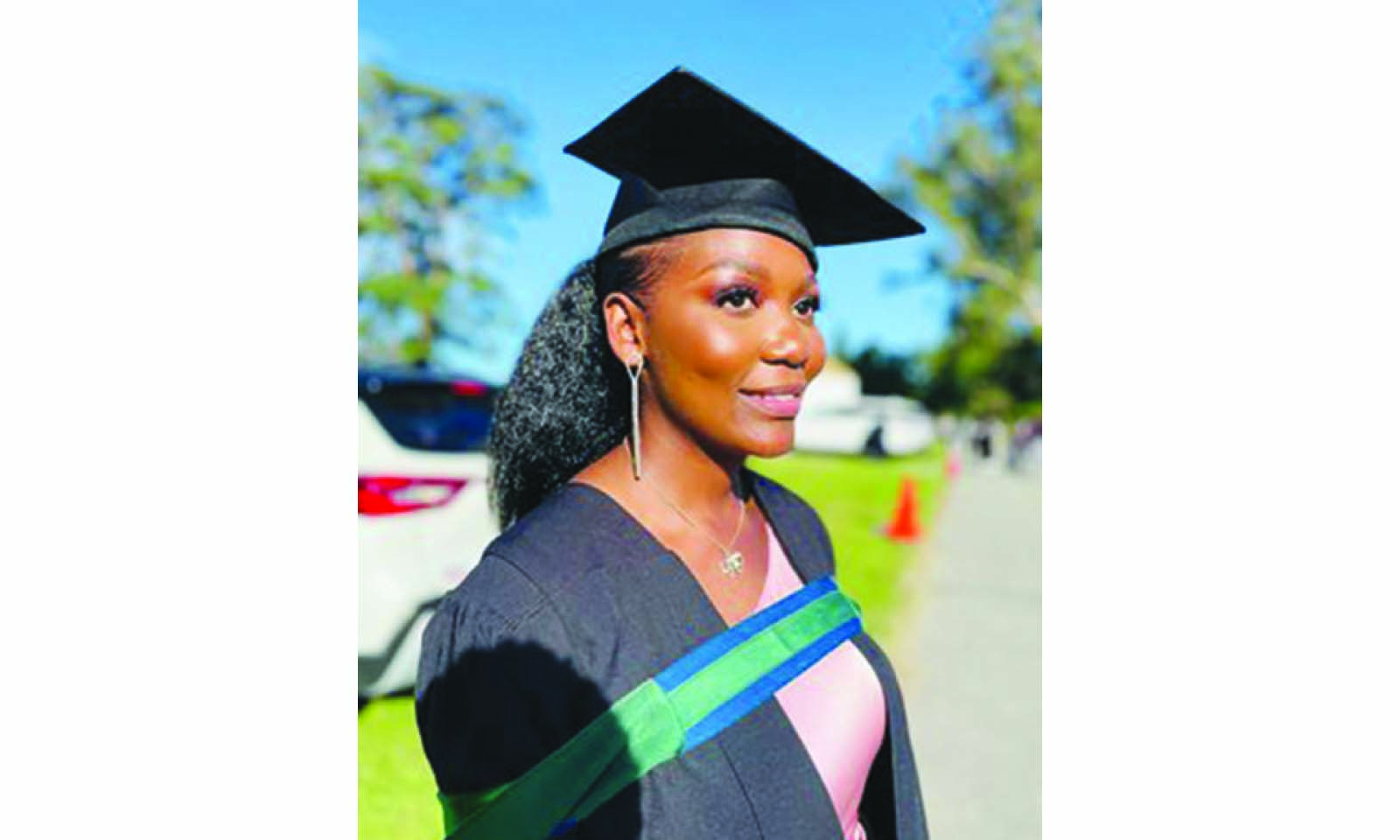
Correspondent
A YOUNG Zimbabwean woman has graduated with 90 percent for her masters on baboon behaviour at Nelson Mandela University in South Africa, something most students rarely venture on as part of their research themes.
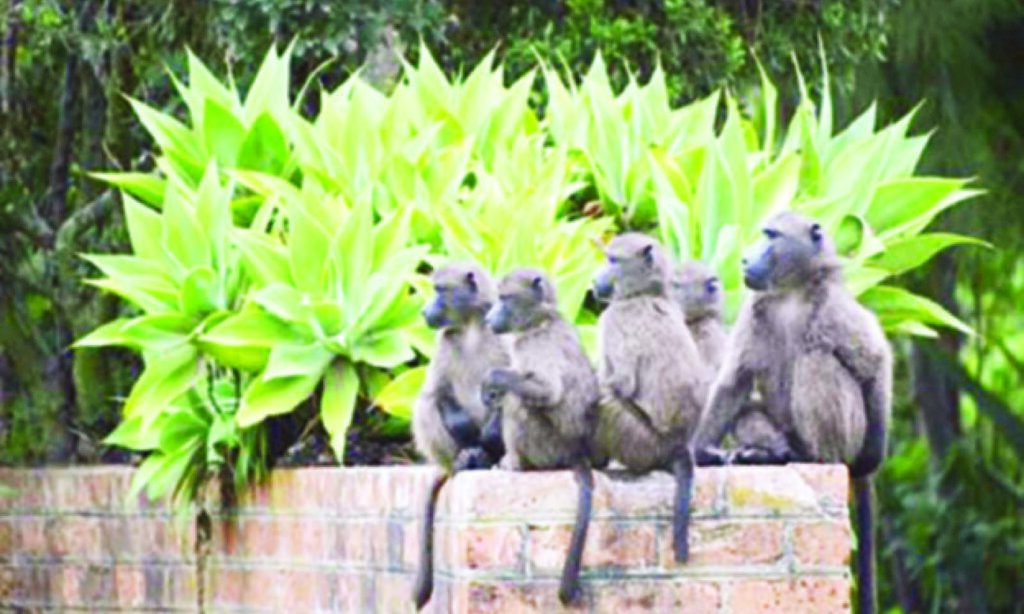
Yet Locadia Dzingwena proved them all wrong, with her research focused on chacma baboons (Cape baboon) and a final mark of 90 percent, graduating with distinction at Mandela University’s recent graduation on George Campus.
As one of the few black women in the field of nature conservation, she often felt out of place.
Despite the criticism, she stayed true to her purpose.
She believed that every species plays an important role in the ecosystem and that baboons deserved attention too.
“Baboons face many problems due to climate change and human-wildlife conflict. If we ignore them, we miss a big part of the story in conservation,” Locadia says.
In addition, the university’s George Campus is home to some 70 baboons.
The journey was lonely at times, but her family kept cheering her on from home. Her supervisors offered guidance and her colleagues became trusted friends. They reminded her that her work mattered.
All her effort paid off. It was a moment of deep pride for her and for everyone who supported her. “This is not just my success,” Locadia says.
“It is for every girl who has been told she cannot achieve her dreams. It is for the students who do not always feel seen. It is for my community.”
At just 28 years old, this young Zimbabwean woman has achieved what once felt impossible, a moment filled with pride for herself, her family, and her entire community.
Locadia grew up in a family of five siblings, where she is the second youngest. No one in the family had ever graduated from university before.
Her father had one dream: to see at least one of his children graduating. Today, that dream is no longer his alone. It belongs to all of them.
Her journey to this point was full of challenges. She spent an entire year preparing to study in South Africa. That meant long delays and constant paperwork. She had to complete qualification checks, police clearances, medical exams, and apply for a student visa. The process was slow and stressful.
“There were times when I felt stuck,” she says. “But I reminded myself why I was doing this. I wanted to make a difference through research in nature conservation.”
She finally arrived in South Africa in 2023, but the challenges did not stop. Moving to a new country meant learning how to adapt. Everything was unfamiliar. The language, the people, the environment, and the academic system all felt different.
She hopes her journey will inspire other young Africans to explore conservation, even if their path is not popular or well known. For her, this is just the beginning.
She now plans to continue working in conservation research and education. Her goal is to protect animals and the environment while helping others learn to care about lesser-known species.
“I want people to know that you do not have to study only the famous animals to make a difference,” she says. “Every species matters, and so does every person who chooses to care.”
Her story is a reminder that success is not always about following the most common path. Sometimes, it is about choosing the one that speaks to your heart and walking it with courage.
“To the little girl who once dreamed but doubted,” she says softly, “Look at us now. We did it.” – Nelson Mandela University.