Online Reporter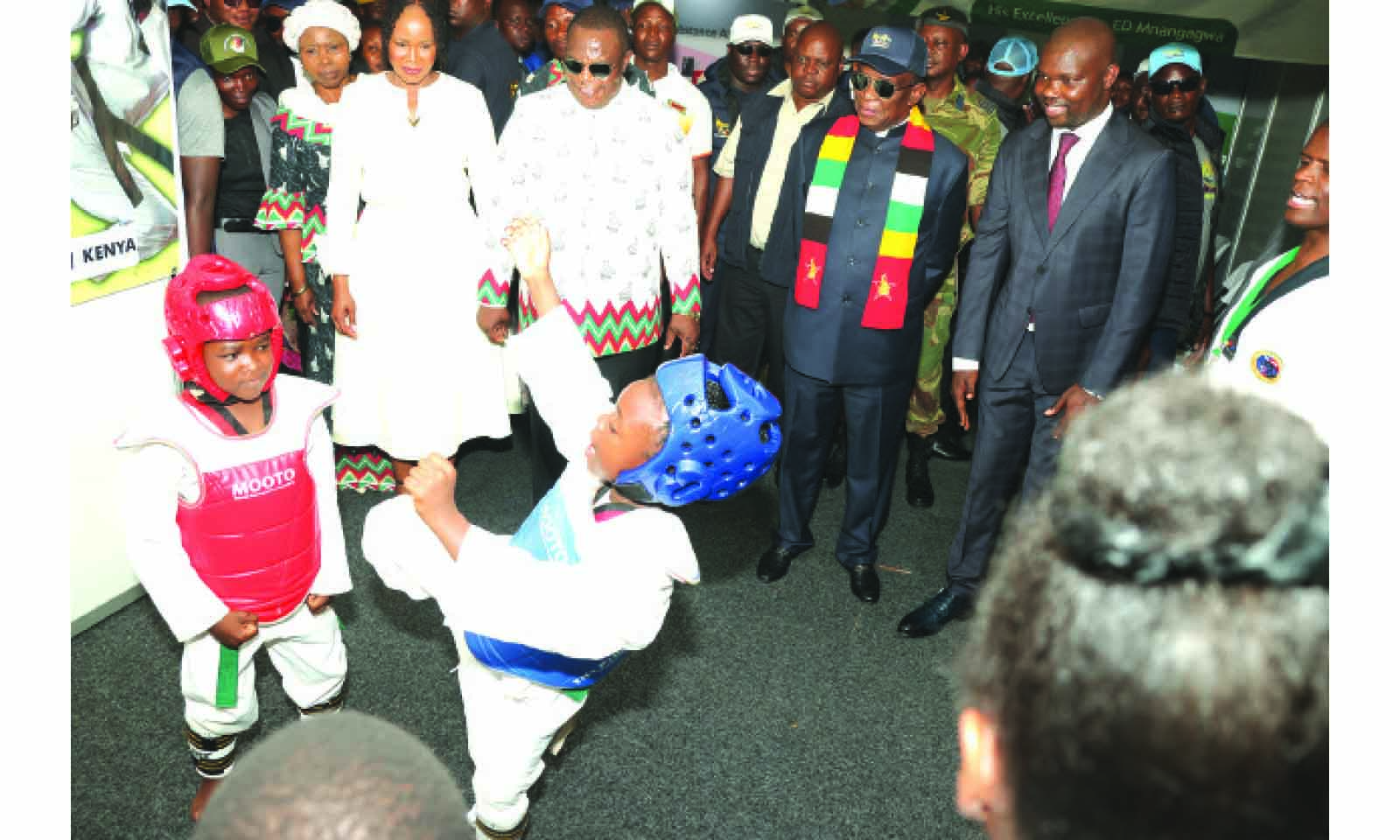
Raymond Jaravaza-Bulawayo Bureau
THE Zimbabwe International Exhibition Centre (ZIEC) became a hotbed of innovation yesterday as thousands of schoolchildren from across the region were captivated by a dazzling display of ingenuity.
A tangible sense of excitement filled the air as students explored exhibits ranging from remarkably durable and attractive paving bricks made from discarded tyres to a truly ground-breaking machine that converts used plastic into fuel.
The displays weren’t just static exhibits; they sparked curiosity and conversation, prompting students to engage with the innovators and learn about the processes behind these remarkable inventions.
The sheer ingenuity on display highlighted the potential of young minds and the power of technology to address real-world problems, leaving a lasting impression on the aspiring scientists and engineers in attendance.
The combination of National Youth Day celebrations and these engaging exhibitions proved a masterstroke.
The event allowed young people to celebrate the National Youth Day holiday while learning and sharing ideas about two of their key interests: technology and innovation. Thousands of young people celebrated National Youth Day in style, packing three halls at the ZIEC. President Mnangagwa was the guest of honour.
For young Prince and his Form Four classmates from Milton High School, seeing and touching paving bricks made from discarded tyres was a first. The expressions on their faces showed they recognised the ingenuity of the innovation.
Isheanesu Mukome, a Biochemistry graduate from the University of Zimbabwe (UZ), said that the paving brick innovation was born from a desire to protect the environment by repurposing non-biodegradable materials. Discarded tyres, a significant environmental hazard, can be transformed into durable and attractive paving blocks.
“Old tyres can be harmful to the environment if not disposed of in an environmentally friendly way, and we have found a way of turning them into paving bricks. One old tyre is shredded into very small pieces, and the wires are removed before we compact the material into paving bricks that are both durable and beautiful,” said Mukome.
Her stand proved popular with schoolchildren, fascinated by the idea of transforming old tyres into building materials traditionally made from sand and cement.
Nearby, Benson Manjengwa, another UZ graduate, was kept busy answering questions from schoolchildren eager to understand his innovation – a machine that turns plastic into fuel. Like a patient teacher, Manjengwa explained the process of converting this other notorious environmental pollutant into usable energy. The innovation, a Pyrolysis Plant, cost the team of innovators US$600 to build.
Princess Moyo of Lobengula High School was thrilled by the innovations she and her friends saw.
“This year’s National Youth Day celebrations were different from previous ones because we learned a lot about how other young people are making all kinds of products and inventions that will make a difference in people’s lives. President Mnangagwa said the future is in our hands and that we should use science and technology to build our country, so I’m happy that we got a chance to see how innovation and technology are good for Zimbabwe,” said Princess.
The exhibitions provided a perfect opportunity for universities and colleges to showcase their offerings to students who will soon be choosing their tertiary education paths.
“The world is now in the technological revolution, and this year’s National Youth Day celebrations gave us the perfect opportunity to show young learners what our university has to offer. The learners want to know what separates us from other universities and colleges so that they can make informed decisions when they finish high school,” said a lecturer from a local university.
In Hall 3, the Mpopoma High School choir entertained exhibitors, schoolchildren, and guests with an impromptu singing session.
In Hall 4, where the main proceedings took place, the Head of State and Government addressed thousands of young people from across the country’s ten provinces. The hall erupted in applause when President Mnangagwa announced the country’s digital skills training programme, which aims to empower 1, 5 million young people nationwide.
President Mnangagwa said the initiative will enhance digital literacy and skills among Zimbabwean citizens and empower a new generation of professionals who can contribute to technological innovation.