Chronicle Editor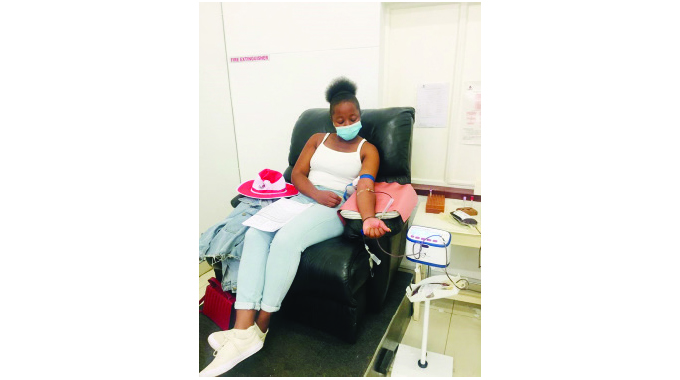
Boitumelo Makhurane, Chronicle Reporter
THEY are Bulawayo youths and they have dedicated themselves to making 25 voluntary and non-remunerated blood donations by the age of 30.
By making donations to the National Blood Services Zimbabwe (NBSZ) the youths say they find joy and satisfaction in the fact that they have touched a large number of people and saved lives.
Donating blood 25 times makes them part of the Pledge 25, a club for young and healthy citizens who pledge to regularly donate safe units of blood at least 25 times in their lives to ensure a smooth transition from school donors into adult donors.
The NBSZ encourages pupils to continue donating blood after leaving school as they account for over 70 percent of the annual blood collections.
Earlier his week, the NBSZ has said it has less than five days’ supply of blood, with blood group O critically in short supply, hence it is asking people to make donations. Half of the country’s population and the majority of people worldwide have the blood group type O which has been in short supply because of high demand.
Blood types are based on the type of a molecule, called agglutinogen, found on the surface of red blood cells. Types A, B or AB can clump together if mixed, but type O does not react with other blood types, hence those in that group cannot be transfused with other blood.
Pledge 25 is Africa’s gift to the world. The concept which originated and evolved into a full membership club in Botswana promotes the value of saving lives by giving blood through active participation and healthy lifestyle choices.
Miss Nonsikelelo Mataga (22), who lives in Mahatshula, said she joined the club in 2019 when she was 16 years old and that makes her feel connected to the community.
“I started donating blood in 2019 when I was still in high school and by that time, I did not know much about blood donation. When I heard that people involved in accidents needed a lot of blood but hospitals were running out as not many people were giving blood, I took it upon myself to donate blood as I felt obliged to help people. Since then, I have been giving blood every three months,” she said.
“I know I may never meet any of the people that I have assisted with my blood but knowing that another person got a second chance at life because of my blood makes me feel that I’m contributing to the welfare of Zimbabweans.”
Miss Edith Muteiwa (23) from Cowdray Park who joined the programme in 2016 said Covid-19 restricted their movement, thereby affecting blood donations.
She said they later received messages on their phones from the NBSZ which they used as exemption letters to go and donate blood.
“I joined the programme when I was in High school in 2016. I donate after every three months and in a year, I donate three times. Covid-19 really did affect us as we were expected to produce exemption letters. We later received messages from the NBSZ and used the messages to go to donation centres,” said Miss Muteiwa.
Mr Lonesome Tapiwa (22) who has blood type O said he was moved by the need for hospitals to always have blood.
“I have blood type O which is highly in demand because it is a universal type of blood, I was moved by the need for blood in hospitals and I dedicated myself to donating blood to people who are in need of it,” he said.
They all encouraged fellow youths to donate blood and save millions of lives without expecting a reward.
According to WHO, transfusion of blood and blood products helps save millions of lives every year. It can help patients suffering from life-threatening conditions live longer and supports complex medical and surgical procedures. It also has an essential life-saving role in maternal and child care as well as during disasters.
A blood service that gives patients access to safe blood and blood products in sufficient quantities is a key component of an effective health system. An adequate supply can only be ensured through regular donations by voluntary donors.
Blood services in many countries however, face the challenge of making sufficient blood available while also ensuring its quality and safety. Zimbabwe is one of the African countries where there are active blood donors but the challenge is that at times NBSZ’s blood stocks cannot meet demand. — @Boity104.



 Online Reporter