Online Reporter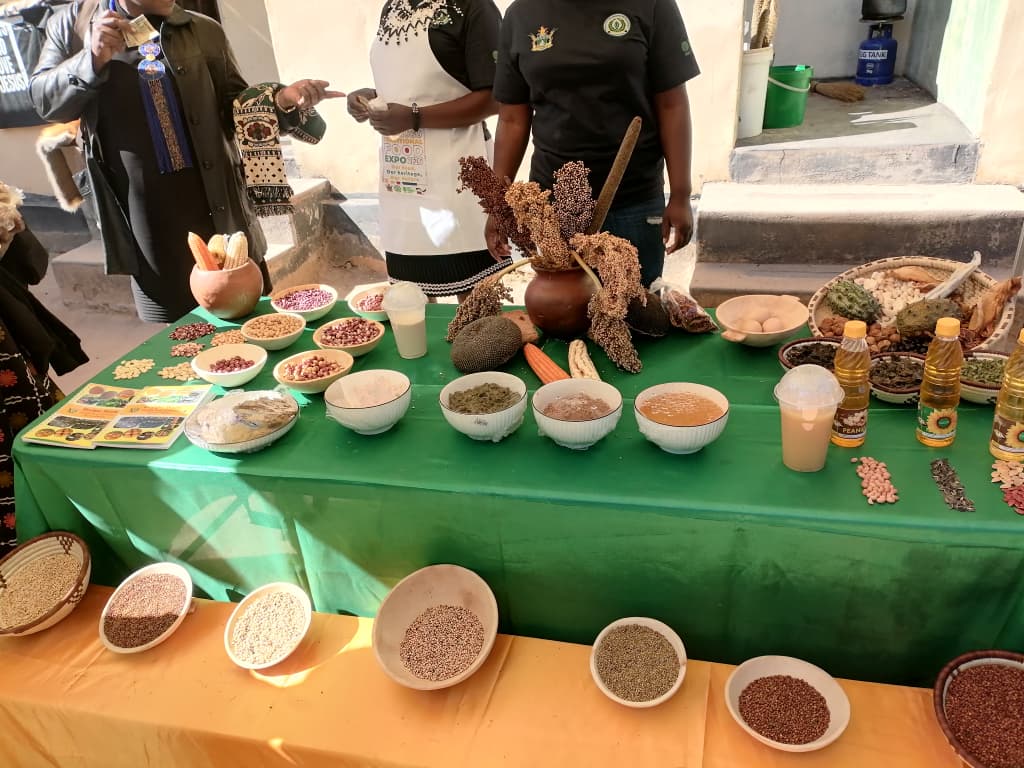
Mbulelo Mpofu
THE usually quiet granite hills of Matobo came alive over the weekend as scholars, civic leaders, broadcasters and community members gathered at the Amagugu International Heritage Centre (AIHC) for the annual Amagugu Food and Beverage Expo.
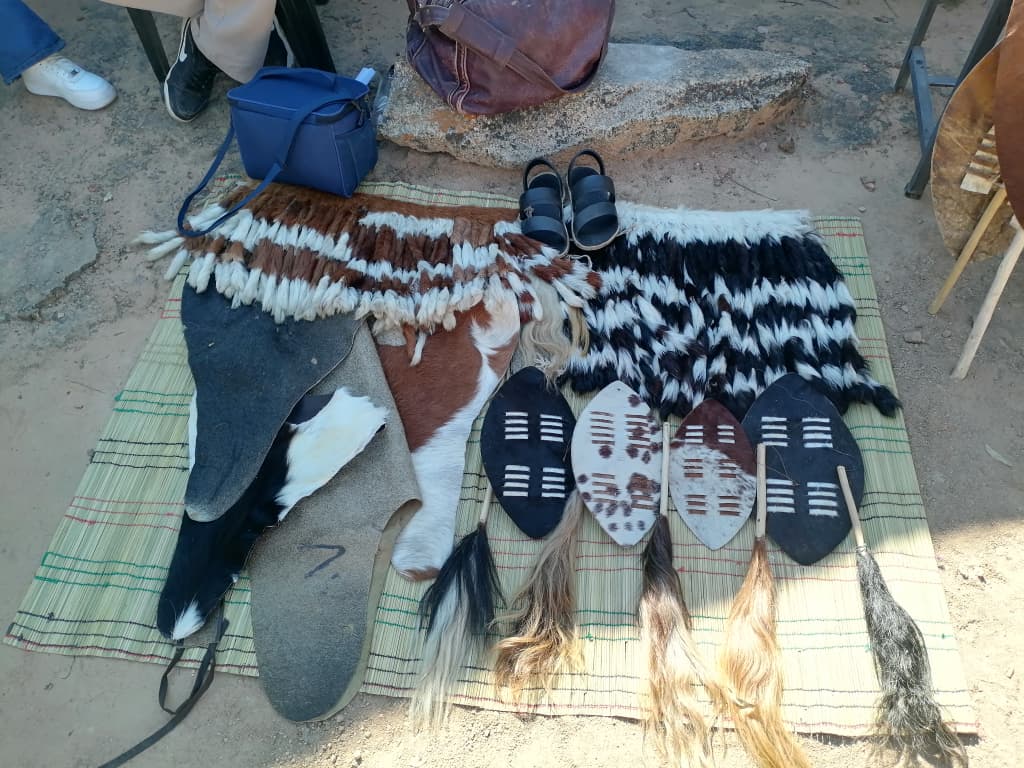
The two-day event focused on preserving, promoting and commercialising indigenous African culture through food, dance and dialogue. From youth masterclasses on Saturday to policy discussions and traditional performances on Sunday, the expo underscored culture as a living economic asset rather than a relic of the past.
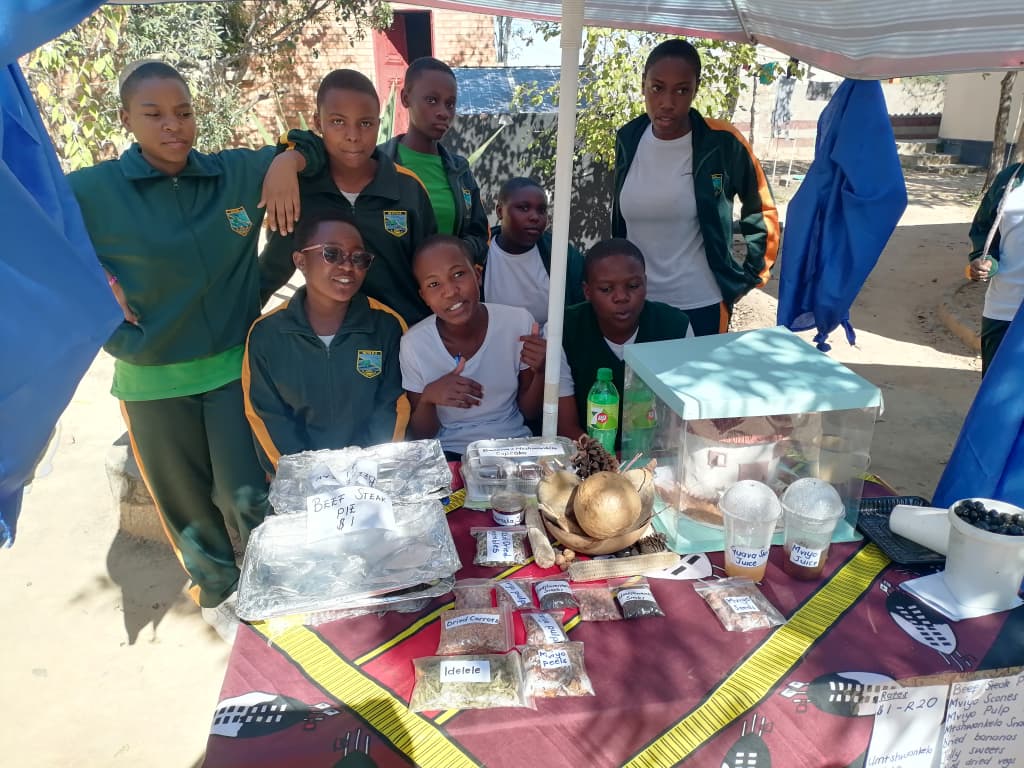
The event opened with a strong emphasis on youth participation, as pupils from schools including Minda High School and Whitewater
High School took part in interactive culinary workshops. Led by Makhosi Mahlangu from the African Food Revolution (AFR) and other cultural educators, the learners were taught traditional methods of preparing indigenous dishes, in line with Zimbabwe’s heritage-based curriculum.
On Sunday, guests, including representatives from the Ministry of Sport, Recreation, Arts and Culture and the
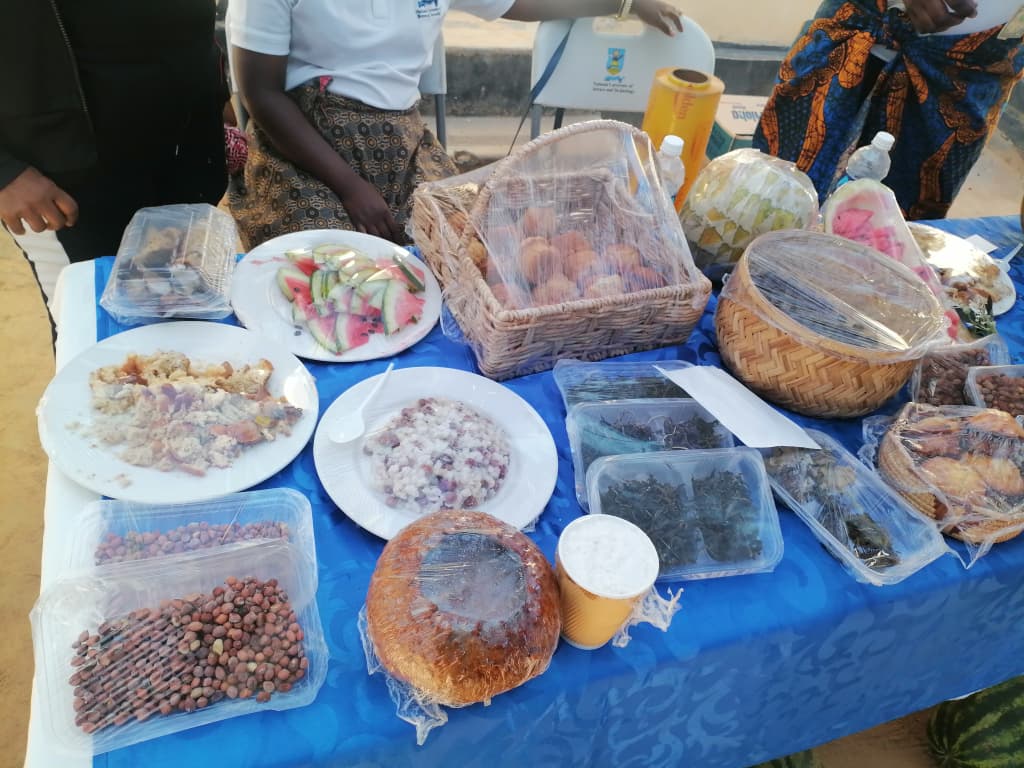
National Arts Council of Zimbabwe (NACZ), sampled a wide range of traditional foods. The menu featured dishes such as amasi omcaba (sour milk with crushed maize), isiswayi sembuzi (salted dried goat meat), amathanga (boiled pumpkins), umxhanxa (yellow watermelon mixed with dried maize) and isijeza (sweet melon porridge).
The expo also examined the role of media and local authorities in preserving culture.
Bulawayo Acting Mayor Councillor Dumisani Netha, representing Mayor Councillor David Coltart, highlighted the economic potential of culture and the arts.
“When we gather at platforms like this, we don’t just celebrate culture, but also reflect on how we can monetise and commercialise cultural products. It’s encouraging that the education system has embraced a heritage-based curriculum because it helps younger generations better understand and appreciate our culture,” said Netha.
He added that modern technologies should be harnessed to tell African stories in a dignified manner while safeguarding heritage.
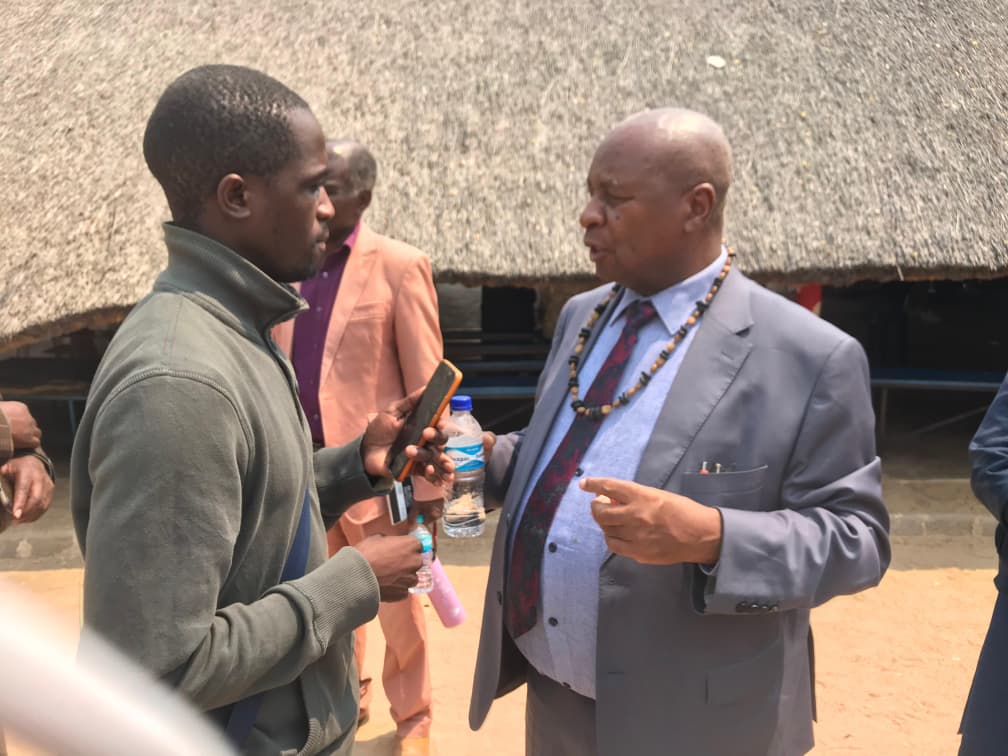
Bayethe FM founding trustee Zenzo Ncube said broadcasting remains a vital tool for preserving indigenous knowledge systems and traditional food culture.
“Broadcast media is the ultimate vehicle for keeping our heritage alive; it amplifies our voices and pushes our cultural narrative into the modern era so it is never forgotten,” said Ncube.
He added that community support is essential for the sustainability of local media.
“A radio station is only as strong as the voices it represents. It is the support, feedback and ownership from the community that helps these stations remain sustainable,” he said.
The event maintained a vibrant atmosphere throughout the weekend, with National Arts Merit Award-winning poet Um’Africakazi directing proceedings as master of ceremonies.
Dance groups, including Iziqoqo zeNUST, the Zimbabwe Open University (ZOU) dance ensemble and the Njelele dance group, entertained crowds with energetic traditional performances.
Minister of Public Service, Labour and Social Welfare and Matobo North MP Edgar Moyo also joined the celebrations, dancing alongside performers before donating funds to the Njelele Dance Group in support of local arts.
He encouraged institutions such as Air Zimbabwe to promote local cuisine and culture through in-flight menus and lifestyle publications so visitors can experience Zimbabwean identity before arriving in the country.