admin
admin
Rejoice Makoni Herald Correspondent
Participation of youths and recognition of their role in the agriculture sector will leapfrog the country into an upper middle-income economy by 2030, Speaker of Parliament Advocate Jacob Mudenda has said.
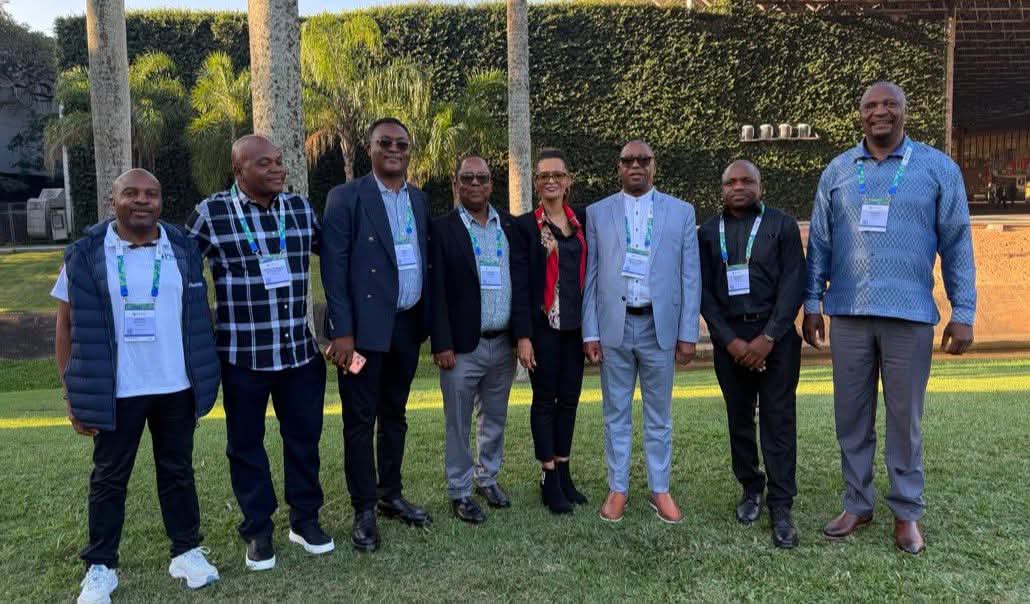
He made the call during his presentation at the 53rd SADC PF assembly which is currently underway in Tanzania.
The assembly is running under the theme “Modernising Agriculture to Address Food Insecurity and Youth Unemployment in the SADC Region: The Role of Parliaments”.
Adv Mudenda said this year’s theme resonates with the current socio-economic agricultural ecosystem among SADC countries.
“Zimbabwe Government is seized with youth empowerment through mainstreaming in agriculture. Youths account for 60 percent of Zimbabwe’s population. To harness this demographic dividend, all sub-sector initiatives recognise the role of youth in agriculture. Mainstreaming of youth in all of the key areas enables Zimbabwe to leapfrog into an upper middle-economy by 2030 through Agric-led economic development” he said.
“In that regard, the agriculture sector presents significant opportunities the youths can tap into. Thus, the youths have benefited in the following initiatives rolled out by the ministry responsible for agriculture: 2 500 youth benefited from the piglet scheme in 2020. From the 9 000 piglets distributed, 8 000 were contracted under Command Agriculture summer season 2020/2021 season, 2021 winter wheat season, 360 have registered, 75 000 participated in Pfumvudza/Intwasa, on average 9 375 benefited per province, 50 000 benefited seed from Bayer and World Vision in the 2020/2021 season.
“Four hundred youths were trained in agronomic practices, export markets, global certification gap, agricultural legislation, animal health, livestock production, soil fertility management, plant protection, community-owned gene banks and indigenous crops management, veld and pasture management as well as financial literacy, 300 youths were trained by FAO under Green Jobs for Rural Youth Projects and Youth Desk coordinated programme.
However, Adv Mudenda said that all the efforts to empower youths were falling short of the intended youth demographic dividend due to the slower uptake of the youth in agriculture because of their desire for white collar jobs.
“The role of Parliament in modernising agriculture has been phenomenal. The Parliament of Zimbabwe amended the Constitution to make the expropriation of land for agricultural use by Zimbabweans a fundamental human right — the right to land. Related legislation on agriculture has been amended to comply with this constitutional provision as a condition precedent for enhanced agricultural productivity.
“Furthermore, Parliament has endeavoured to ratify protocols which relate to agriculture such as the Malabo, Abuja and the SADC Regional Agricultural Policy (RAP), and where possible domesticated them. Above all, Parliament has mainstreamed agriculture in the national budget so that the modernisation of agriculture through sustained mechanisation remains continually robust.”
Last year President Mnangagwa launched Provincial Integrated Youths Skills Development Centres (PIYSDC) for the county’s 10 provinces where over 5 000 youths will be recruited at each centre annually before being equipped with agriculture skills.
Under the Provincial Integrated Youths Skills Development Centres, the President directed each provincial minister to identify a 500-hectare piece of land which would be dedicated to youth projects as part of the Government’s policy to ensure youths participate in national programmes.


 Online Reporter