

 Online Reporter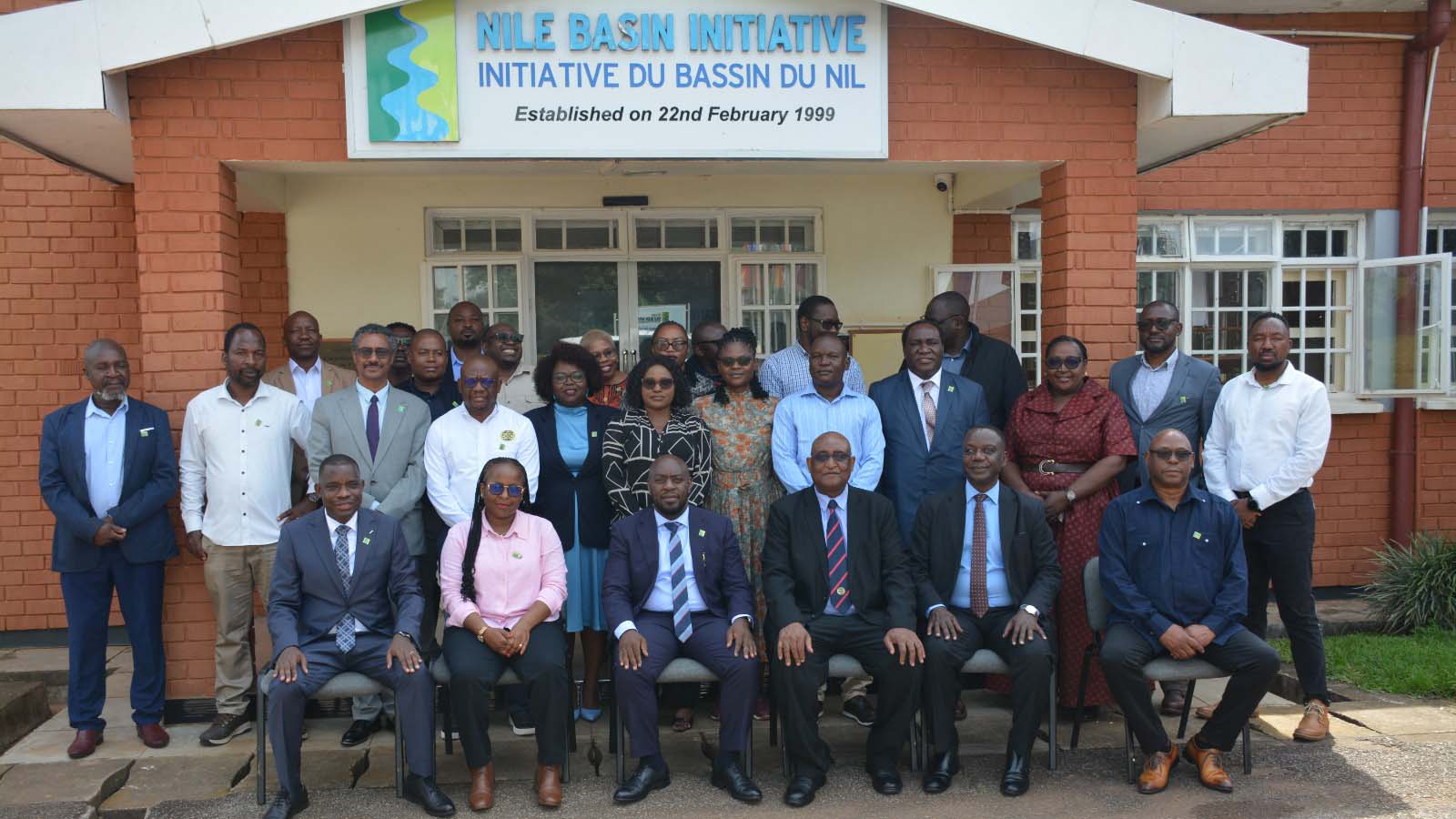
Walter Nyamukondiwa
Mashonaland West Bureau Chief
The Zambezi Watercourse Commission (ZAMCOM) technical and secretariat team has visited the Nile Basin Initiative (NBI) in Uganda as part of a reciprocal knowledge exchange programme to learn from their climate resilience initiatives and management of shared water resources.
Passing through eight Southern African countries, the Zambezi River supports the livelihood of between 40 and 50 million people, including Zimbabwe, while the Nile Basin sustains about 300 million people across 11 countries.
The NBI and ZAMCOM are intergovernmental partnerships of all Nile Basin and Zambezi Basin countries, respectively. Hosted by the Nile Basin Initiative, the 24-member Zambezi Watercourse Commission delegation sought to learn best practices in climate resilience and transboundary water cooperation.
It follows a similar visit by the NBI to Lake Kariba in 2024. ZAMCOM Technical Committee (ZAMTEC) chairperson Ms Elice Engebert led the delegation and also included officials from the ZAMCOM secretariat and ZAMTEC, representatives of Hidroeléctrica de Cahora Bassa (HBC) and the Zambezi River Authority (ZRA).
The Zambezi Basin straddles Angola, Botswana, Malawi, Mozambique, Namibia, Tanzania, Zambia and Zimbabwe. ZAMCOM executive secretary Mr Felix Ngamlagosi said new approaches and interventions were needed to mitigate and adapt to changing climatic conditions.
“The Zambezi River Basin, like the Nile, faces increasing climate variability that affects water availability, ecosystems, energy production and livelihoods across the basin,” said Mr Ngamlagosi.
“Learning from NBI’s experience in basin-wide planning, information systems and regional programmes will help strengthen our collective response to these challenges.”
Participants exchanged experiences with NBI specialists on regional programme management, basin-wide hydrological data collection, joint investment planning and knowledge platforms.
Platforms such as the Nile Basin Decision Support System and the Integrated Knowledge Portal, supporting evidence-based water management, have been adopted.
The delegation visited a regional hydrological monitoring station in Jinja, a Ugandan city where the Nile River begins its journey northwards from Lake Victoria.
It forms part of NBI’s basin-wide hydrological monitoring system, which supports improved forecasting, water management and climate resilience across the Nile Basin.
Visits were also made to a modern landing site on Lake George, and a zonal office and water quality monitoring laboratory at the Ugandan Ministry of Water and Environment.
It was established by the NBI under the Lakes Edward and Albert Integrated Fisheries and Water Resources Management Project (LEAF II) project between Uganda and DR Congo.
The African Development Bank (AfDB) and the Global Environment Facility provided funding. NBI executive director Engineer Nestor Niyonzima said the exchange visit was aimed at strengthening regional bodies in building climate resilience.
“The Nile Basin is the world’s longest river and supports hundreds of millions of people whose livelihoods depend on increasingly climate-stressed water systems,” said Eng Niyonzima.
“Working together and learning from each other strengthens the ability of regional institutions to support countries in building climate resilience, improving water governance and planning investments that benefit communities across shared water bodies.”
The reciprocal visits have been hailed as reflecting growing peer-to-peer collaboration among Africa’s river basin organisations. It is part of the Programme for Integrated Development and Adaptation to Climate Change in the Zambezi River Basin (PIDACC Zambezi) project, funded by the AFDB with technical support from the United Nations Convention to Combat Desertification.



