

 Online Reporter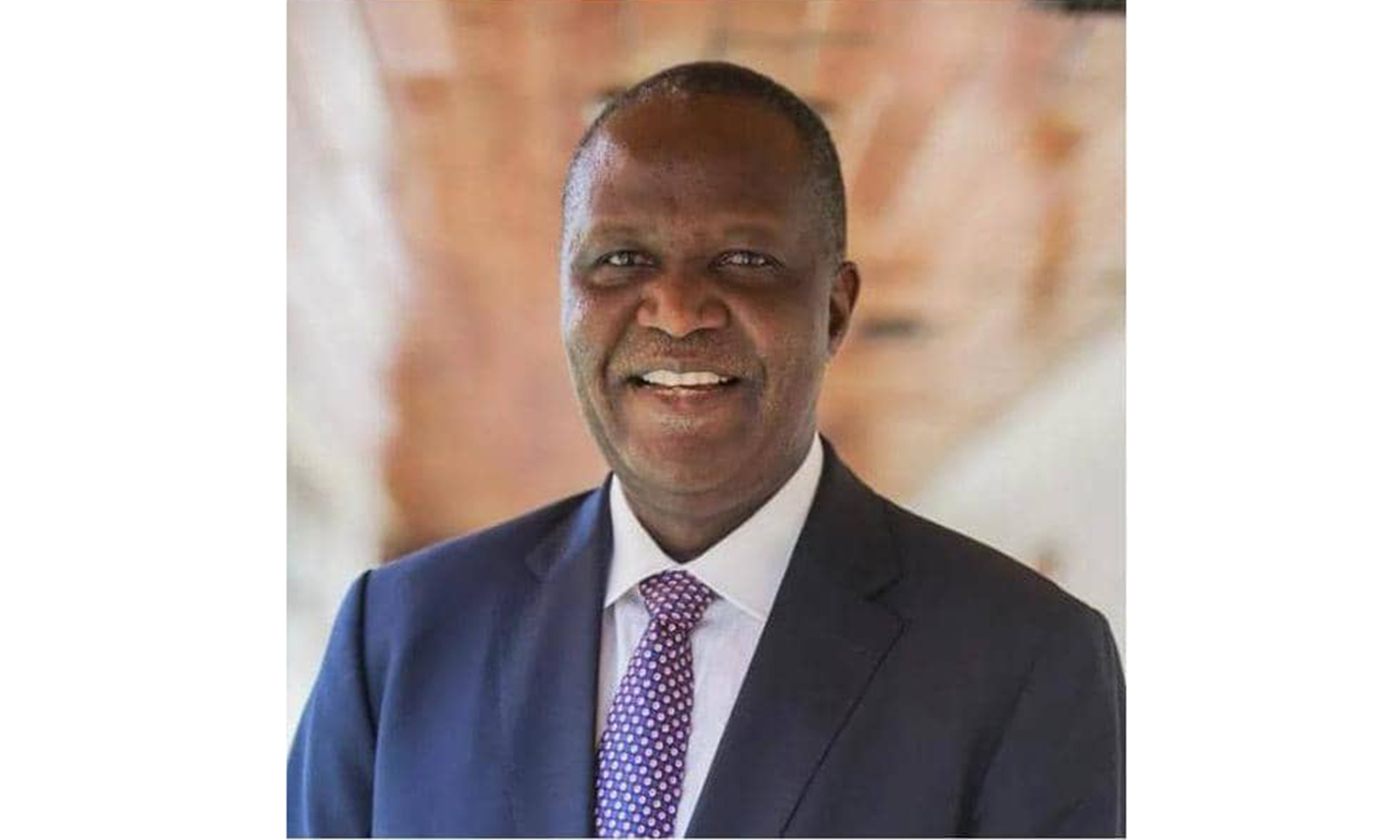
Theseus Shambare
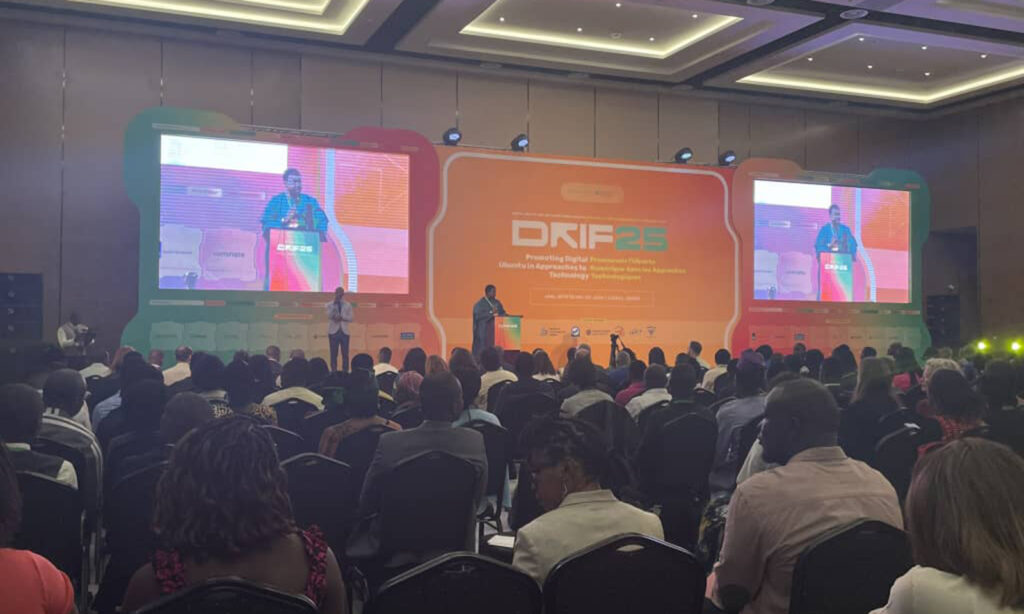
Over 1 000 participants from 66 countries have converged in Lusaka for the commencement of the Digital Rights and Inclusion Forum (#DRIF25).
Organised by Paradigm Initiative, the three-day high-level gathering unites human rights, technology and policy leaders from across Africa and the globe to promote digital inclusion and urgent reforms.
Addressing participants, Zambian Minister of Technology and Science Felix Mutati said access to ICT tools is a right.
“Access to ICTs and the internet by persons with Disabilities on an equal basis with others is urgent in the digital age we live in,” said Minister Mutati..
“We are grateful that the organisers of #DRIF have considered grassroots organisations working on digital rights such as ours to be represented.”
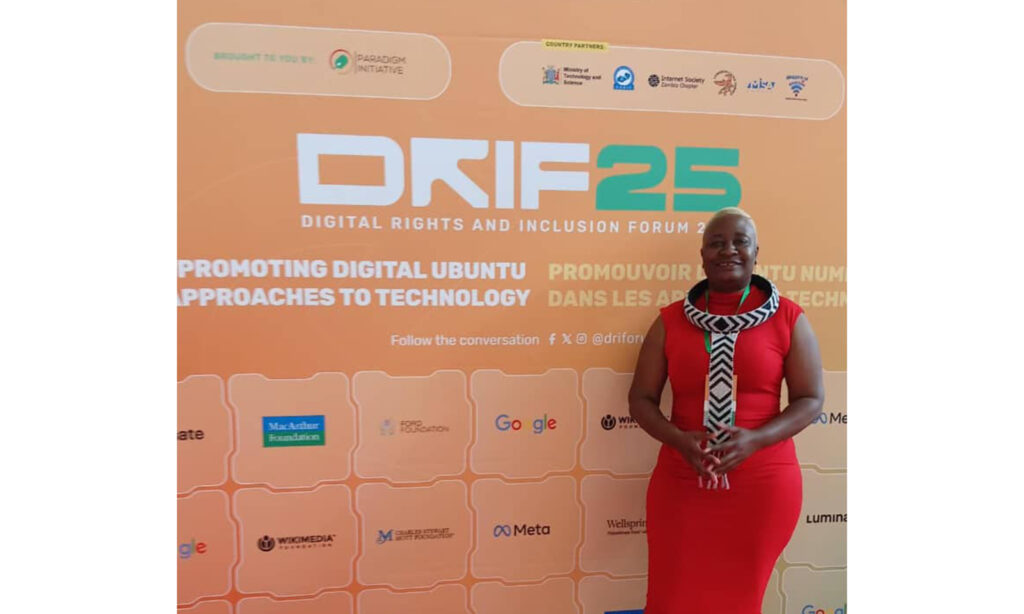
Zimbabwe’s Signs of Hope Trust is actively participating, with its director, Ms Samantha Sibanda, hosting a session on “Exploring the Disability Digital Divide and its Implications on the Information Rights of Persons with Disabilities”.
Ms Sibanda highlighted the significant global representation, including entities like Google, Meta, Accountability Lab and MISA Zimbabwe.
“The forum seeks to address critical issues such as tech-facilitated gender-based violence, digital security and strategies for bridging the digital divide for marginalised communities,” she said.
“We deal with these issues daily and have made various efforts in Zimbabwe to bridge the disability digital divide. We are happy to be sharing and learning best practices from other countries.”
Signs of Hope Trust emphasised the necessity of digital equity for persons with disabilities to ensure equal access to information and full societal participation, citing their collaborative work in Zimbabwe to advance this cause.



