admin
admin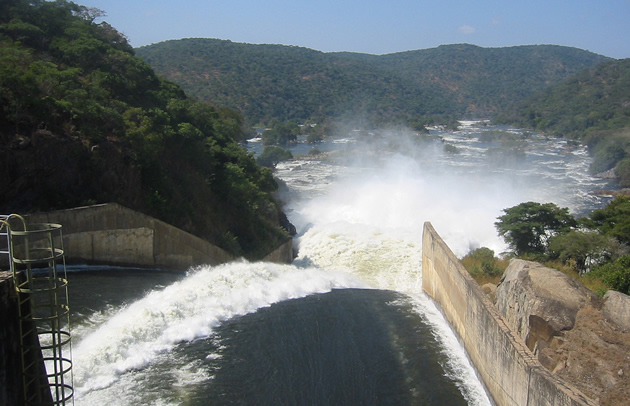
LUSAKA. — Zambia and Zimbabwe have made giant strides towards easing the power deficit the two countries are currently facing, with the approval of the $72 million 2016 operational budget for Zambezi River Authority (ZRA)’s activities.
The major activities will include expediting the rehabilitation works at Kariba Dam and the development of the Batoka Gorge Hydro Power Station.
Zambia and Zimbabwe have huge potential to produce enough power to ameliorate the power deficits being experienced in southern Africa, particularly by the two countries, which share large stretches of the Zambezi River, one of the biggest rivers in Africa.
On this river lies the Kariba Dam, the world’s biggest man-made lake, and as well as the Kafue Gorge on a major tributary and the Victoria Falls.
Therefore, the power deficits the two countries have suffered, especially this year, should be viewed as an opportunity to raise the game and begin to generate more power.
This calls for acceleration of power generation for the benefit of the two countries’ socio-economic development as well as southern Africa as a whole.
It is, therefore, commendable that efforts have begun to ensure that the Batoka project takes off as soon as possible.
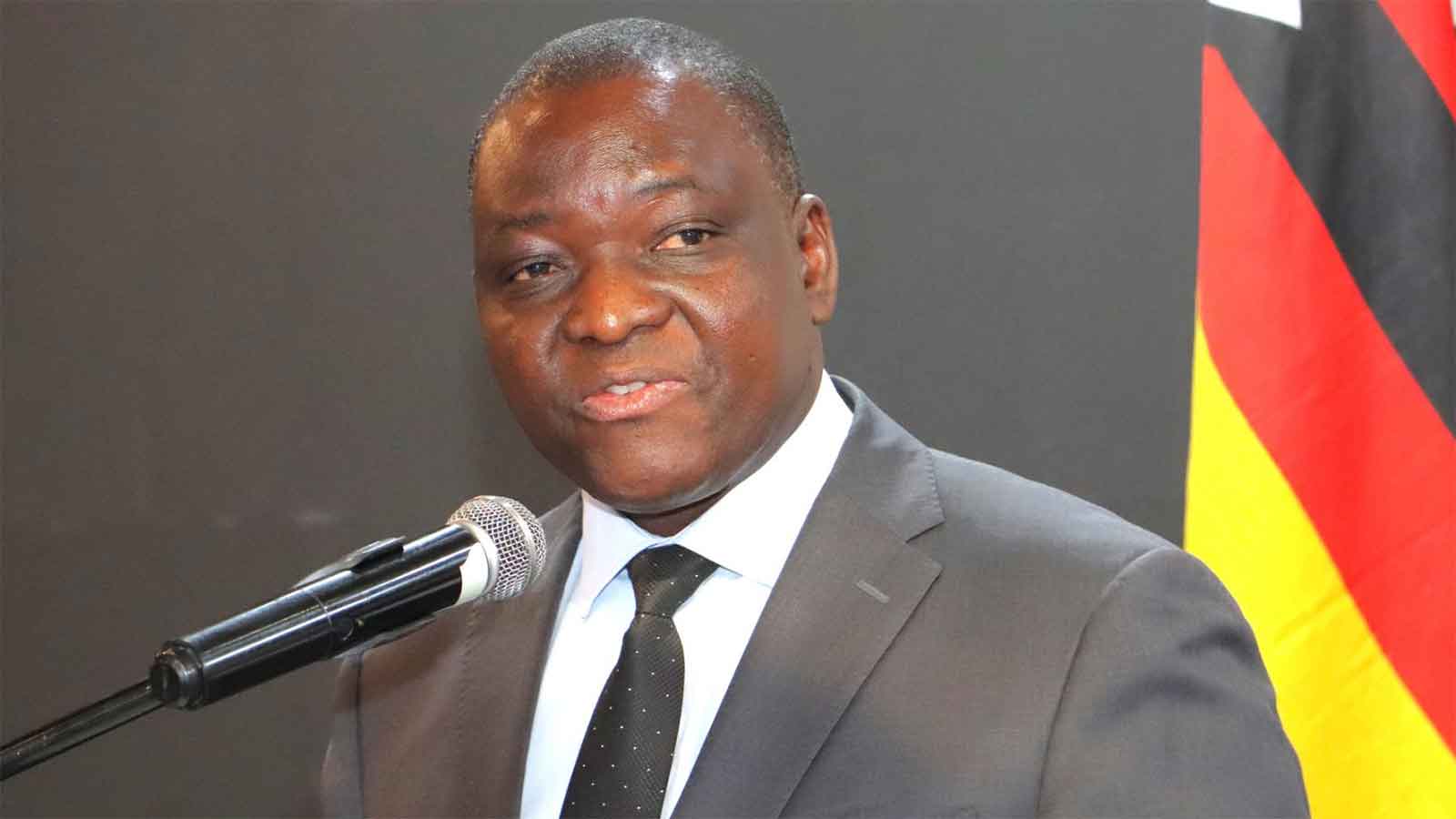
“We are all excited in view of the power crisis, which the region is facing,” Zimbabwe’s Minister of Energy Samuel Undenge said this in an interview last Friday after the 33rd council of ministers meeting in Livingstone.
Dr Undenge rightly pointed out that electricity is required in all economic spheres of life to boost growth and foster development in rural areas.
So, the rehabilitation of the Kariba Dam and the development of the Batoka Gorge is expected to increase generation capacity and reduce the dreaded power outages in Zambia and Zimbabwe.
Zambia’s hydro power potential is estimated at 6 000 megawatts while the installed capacity is about 1 900MW.
For a country that has solely depended on hydro power since independence, hydro power plants represent over 90 percent of electricity production in Zambia.
The major contributors of power are Kafue Gorge, Kariba North Bank and Victoria Falls Power Station while a number of projects are currently being developed such as the Kafue Gorge Lower (750MW), Kariba North Extension (360MW) and the Itehzi Tezhi (120MW) — with the hope of meeting not only the national but the regional demand as well.
So, when the Kariba Dam is fully rehabilitated and with the Batoka project construction expected to start in 2017, the projects will increase generation capacity as well as mitigate power outages.
In fact, the Batoka hydro scheme will make Zambia and Zimbabwe net exporters of power in southern Africa.
Apart from being neighbours, Zambia and Zimbabwe’s collaboration on the Zambezi River, which also serves as the border between the two countries, is the epitome of regional integration in Africa. — Daily Mail.



 Online Reporter