Online Reporter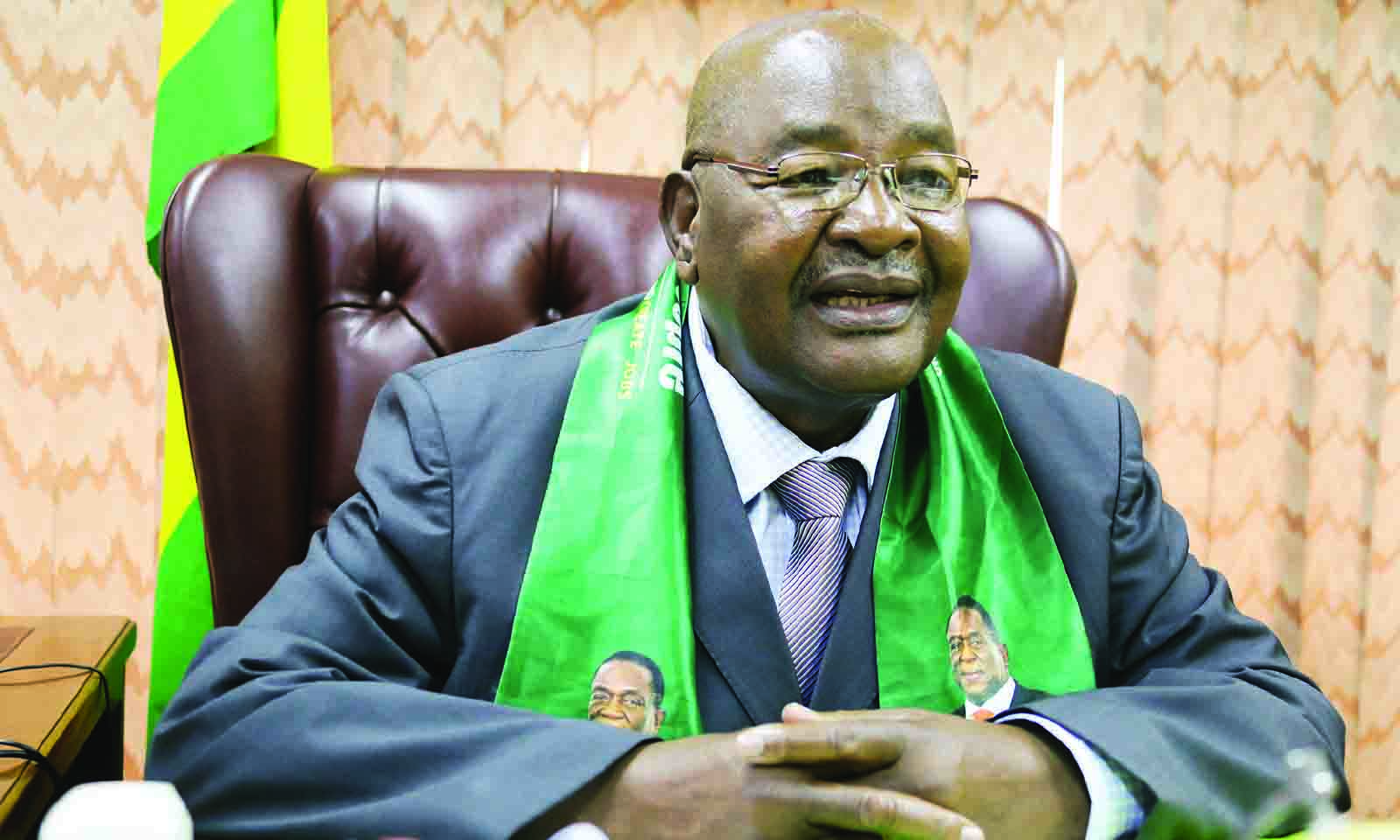
Joseph Madzimure
Senior Reporter
PREPARATIONS for the 22nd Zanu PF Annual National People’s Conference have officially begun, with Manicaland province set to host the mega event, Zanu PF Secretary General Dr Obert Mpofu said yesterday.
The event, held on a rotational basis, provides the party with an opportunity to reflect on its electoral promises and reaffirm the vision for the nation.
Manicaland is a strategic choice that reflects the party’s commitment to inclusivity and regional representation.
In a wide-ranging interview, Dr Mpofu highlighted that party national Chairperson Cde Oppah Muchinguri-Kashiri has directed the formation of various committees tasked with organising the conference.
Among these is a technical committee, which will oversee the logistical aspects of the event to ensure everything runs smoothly.
The formation of these committees is a crucial first step.
Dr Mpofu assured party members that as the committees become operational, further arrangements will begin to take shape.
“We have started the preparations for this year’s conference,” he said.
“As a party, I assure our members that we are on track to host a successful conference this year.”
Meetings will soon be scheduled to discuss the implementation of the conference plans, setting the stage for an impactful gathering.
The Zanu PF Annual National People’s Conference plays a vital role in the party’s political calendar. It serves as an occasion for introspection and as a platform for the party to engage with its members and the public.
The Zanu PF-led Government has taken significant steps to implement resolutions made during previous conferences.
One notable initiative is the recent commissioning of the Trabablas Interchange by President Emmerson Mnangagwa.
This high-impact infrastructure project is part of the Government’s broader agenda to improve the livelihoods of the people and strengthen the economy.
At last year’s conference, held in Bulawayo, several critical resolutions were adopted that sought to enhance governance and party operations.
These included establishing a comprehensive framework to ensure party supremacy over government functions, thereby reinforcing the party’s foundational principles.
Some of the resolutions from the 21st Zanu PF Annual National People’s Conference include the decentralisation of training programmes.
The Chitepo School of Ideology will expand its training initiatives to administrative districts, benefiting party members, government employees, and the general population.
In addition, the party aims to expedite the digitalisation of its Cell and Village Registers to create credible voter rolls, minimising election-related disputes.
The Government is also prioritising the employment of Youth Service Zimbabwe graduates who possess the necessary qualifications.
There is a proposal to amend the party constitution to officially recognise Non-Combatant Cadres and War Collaborators as part of the Veterans of the Liberation Struggle.
Further, a resolution was made to extend President Mnangagwa’s term of office from 2028 to 2030, reflecting the party’s confidence in his leadership.