admin
admin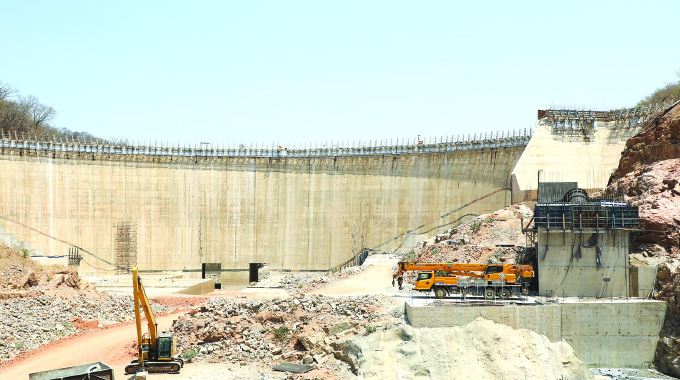
Innocent Mujeri
Herald Correspondent
The ZANU PF Annual National People’s Conference resolutions have showcased a firm commitment by the ruling party to address pressing needs across Zimbabwe.
From infrastructure improvement to local economic empowerment, these resolutions align with a “people-first” vision, reflecting Government’s objective to ensure no community or citizen is left behind.
In a time where economic and infrastructural challenges are amplified globally, ZANU PF’s resolutions signal a clear roadmap towards an inclusive and resilient Zimbabwe.
The commitment to sustain policies prioritising marginalised communities speaks to the heart of inclusive development. This approach aligns with Zimbabwe’s ethos of “leaving no one and no place behind,” recognising that true progress must lift every Zimbabwean, regardless of their geographical location or economic standing.
Prioritising marginalised communities ensures that essential services such as healthcare, education, infrastructure and utilities are accessible.
By investing in these communities, Government does not only improve the quality of life, but also taps into the potential of rural areas. With enhanced resources, citizens in marginalised regions can contribute to Zimbabwe’s broader economic and social goals.
Inclusivity, therefore, is not only a matter of fairness, but also a strategic approach to unlock growth in regions that have historically been overlooked.
Citizens rely on local authorities for essential services, and ensuring that these entities uphold high standards of service is critical.
The resolution to enforce adherence to the “No Compromise to Service Delivery” blueprint underscores Government’s dedication to making local authorities accountable to the public.
This call to action emphasises that basic services like water supply, waste management and sanitation are non-negotiable rights for every Zimbabwean.
Holding local authorities accountable, Government is responding to the needs of ordinary people who depend on reliable service delivery for their everyday lives.
The insistence on high standards ensures citizens receive consistent, quality service, reinforcing trust in local governance and enhancing the quality of urban and rural life alike.
To support sustainable agricultural productivity and rural development, ZANU PF’s resolution to intensify the modernisation of irrigation and power infrastructure is key.
Zimbabwe’s economy is closely tied to agriculture, and modern irrigation systems help mitigate the effects of erratic rainfall patterns, ensuring farmers have reliable water sources for their crops.
Power generation at water bodies further strengthens energy security, especially in rural areas where electricity access remains limited.
This dual approach, upgrading existing infrastructure while also utilising idle water bodies for irrigation and power generation, shows a commitment to optimising resources for long-term sustainability.
It supports local farming communities, boosts productivity, and reduces the power deficit, thereby fostering economic stability.
The operationalisation and digitalisation of the National Disaster Management Centre mark a proactive step towards safeguarding Zimbabwean lives and livelihoods.
This move is crucial given Zimbabwe’s susceptibility to natural disasters like floods, droughts, and cyclones. With a modernised disaster management system, Zimbabwe can respond swiftly to emergencies, providing relief and minimising damage.
Digitalisation ensures that the centre can gather and disseminate real-time information, enhancing coordination and effectiveness in disaster response. A robust disaster management system offers reassurance to citizens, knowing that Government has prioritised their safety in times of crisis.
The completion of the Gwayi-Shangani and Kunzvi Dams are vital projects that will have lasting benefits for Zimbabwe’s water security. These dams are not only essential for urban water supply, but also hold potential for agricultural irrigation, which can support local food security and job creation.
These projects demonstrate foresight in addressing both immediate and future water needs. Prioritising funding for these dams ensures that Zimbabwe is better prepared to handle water shortages, especially during drought periods, and strengthens the infrastructure needed for sustainable growth.
Roads and border infrastructure are the arteries of economic growth, facilitating trade, movement, and connectivity.
Through the Extended Emergency Road Rehabilitation Programme 2 (ERRP2), ZANU PF has committed to rehabilitating and completing all major roads, reducing travel times, and improving accessibility across the country. Quality roads are particularly important for rural areas, where they enable farmers to bring their produce to urban markets more efficiently.
Similarly, modernised border infrastructure enhances trade by reducing bottlenecks, thereby strengthening Zimbabwe’s position in the regional economy. Investing roads and border posts, enables Government to support local businesses, increases trade flow, and attract investment – all of which translate into economic growth that benefits the people.
The resolution to intensify rural electrification with a focus on renewable energy is a game-changer for rural communities. Access to electricity improves education, healthcare, and economic opportunities, directly enhancing residents’ quality of life.
Emphasising renewable energy reflects a forward-looking approach, considering Zimbabwe’s abundant solar resources, which can power rural homes, schools, and clinics sustainably.
This move aligns with global trends towards clean energy and signals Zimbabwe’s commitment to addressing climate change.
It ensures that rural communities are not left behind in the energy transition, creating a more equitable society where every Zimbabwean has access to modern amenities.
The resolutions to enhance tele-density and improve radio and television reception in underserved areas demonstrate Government’s commitment to reducing the digital divide.
Access to telecommunications is essential for education, economic participation, and social inclusion, while improved broadcasting services keep citizens informed and connected.
To build a more self-reliant economy, ZANU PF has emphasised value addition and beneficiation of Zimbabwe’s resources.
Instead of exporting raw materials, Zimbabwe aims to process its resources domestically, creating jobs and increasing the value of its exports.
This approach is particularly crucial for the mining, agriculture, and manufacturing sectors, where local processing can lead to higher revenues and economic stability.
Encouraging investors to source raw materials locally and developing patentable innovations for industrial use further strengthen Zimbabwe’s economic base. This initiative ensures that more economic benefits stay within the country, promoting a thriving local industry that serves Zimbabweans.
Agriculture remains the backbone of Zimbabwe’s economy, and the resolution to localise the fertiliser value chain and other agricultural inputs reduces dependency on imports, which are often subject to price fluctuations and geo political tensions. This localisation supports farmers with more affordable, reliable inputs, boosting productivity and food security.
Furthermore, accelerating the Zimbabwe Industrialisation Recovery and Growth Plan (ZIRGP) reflects a commitment to rejuvenating key industries like pharmaceuticals, iron and steel, and agro-processing. By fostering a strong industrial base, Zimbabwe can reduce its import dependency, enhance self-sufficiency, and create employment opportunities.
The commitment to expedite the rollout of e-government services, including e-learning, shows that the ruling party is prioritising a modern, accessible Government.
The inclusion of e-learning ensures Zimbabwe’s youth are prepared for a digital future, enabling them to access quality education from any location.
The resolutions set forth by the ruling party are rooted in a vision of growth that prioritises people’s needs, aiming to create a Zimbabwe where every citizen, regardless of location or background, has access to opportunity, stability, and prosperity.
From inclusive policies and local accountability to sustainable infrastructure and industrial growth, these resolutions form a holistic plan to uplift Zimbabweans.



 Online Reporter