Online Reporter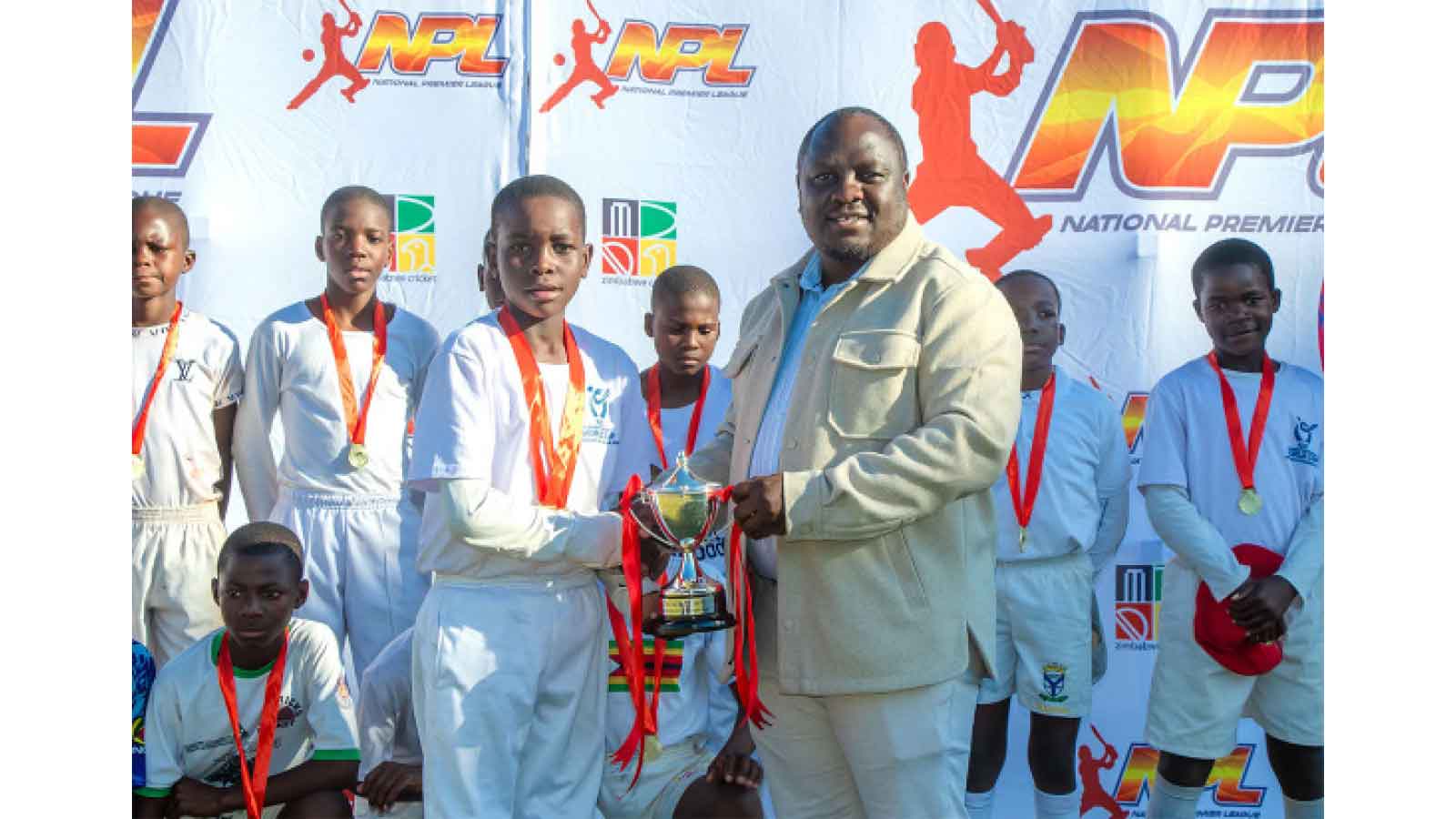
Don Makanyanga-Zimpapers Sports Hub
ZIMBABWE Cricket have expanded their National Premier League (NPL) age-group programme following a successful inaugural season.
NPL Manager Ed Rainsford has described the competition as the foundation for the country’s future cricket success.
The league, introduced this year, has already attracted nearly 500 young cricketers through competitions for Under-13 boys and Under-15 girls, involving eight clubs across Harare, Bulawayo, Kwekwe and Kadoma.
Following the successful rollout, Zimbabwe Cricket have expanded the Under-15 boys competition from eight to 11 clubs, adding Eastern Titans, Westside Cricket Club and Scorpions, while Under-17 boys and girls competitions are scheduled for the summer season.
Rainsford said the age-group league was designed to bridge the gap between school cricket and club cricket while creating a sustainable talent pathway to provincial and national teams.
“The NPL is the engine room of what we are trying to achieve at Zimbabwe Cricket by growing grassroots cricket and giving everybody an opportunity. “No one is left behind. Find a club, register and be able to play in the NPL age-group league,” he said.
The former Zimbabwe international said the inaugural competitions had already produced encouraging results, including the first-ever century in the Under-15 girls competition and several outstanding bowling performances.
He said Zimbabwe Cricket had also introduced a player-tracking database to monitor promising talent from an early age.
“We’ve implemented a player interest and player tracking database where we’ve seen youngsters scoring hundreds, fifties and taking five-wicket hauls.
“Those are the returns on investment and the key performance indicators we look at,” said Rainsford.
The Under-13 boys final saw Gladiators post nearly 400 runs against Takashinga 2, while Takashinga 2 defeated Gladiators to lift the Under-15 girls title at Harare Sports Club.
Beyond competition, Zimbabwe Cricket are investing in strengthening clubs through coach development, administrative support and equipment distribution to ensure safe and professional environments for young players.
Rainsford said clubs seeking participation in the league must meet strict standards, including maintaining quality facilities, employing qualified coaches and registering players through a central database that allows Zimbabwe Cricket to monitor participation and performance.
He believes rebuilding club cricket is critical to producing future national players.
“There is no international cricketer from my era who didn’t come through club cricket.
“We’re rebuilding that culture so club cricket once again becomes the breeding ground for provincial and national cricket,” he said.
Rainsford added that allowing young cricketers to play at established venues such as Harare Sports Club was helping inspire the next generation.
“You couldn’t believe the smiles and energy of the Under-15 girls when they played here. That’s where the dream starts. That’s the motivation,” he said.
With structured competitions now running from Under-13 through to senior men’s and women’s National Premier League cricket, Rainsford said Zimbabwe Cricket was building a sustainable system capable of producing elite players for years to come.
“If we continue building these structures over the next few years, we could have an extremely exciting and professionalised NPL structure that feeds Zimbabwe cricket for generations,” he said.



 Mathew Masinge