admin
admin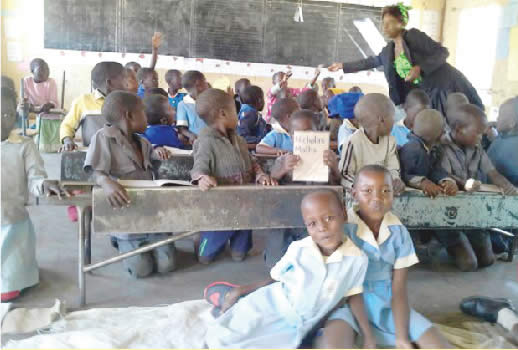
 Pamela Shumba Senior Reporter
THE number of primary schools recording zero percent pass rate in Grade Seven public examinations has been decreasing since 2012, the Ministry of Primary and Secondary Education has said.
According to an analysis done by the ministry comparing the performance of all schools from 2012 to 2014, the number of primary schools with zero percent pass rate in 2014 decreased by 57.68 percent to 102 from 241 in 2013 and 295 in 2012.
The overall pass rate however improved from 50,2 percent in 2013 to 55,68 percent in 2014. Pupils scored their highest grades in indigenous languages, but generally struggled in English, Maths and General Paper.
Two provinces, Manicaland and Harare did not have schools with a zero percent pass rate in 2014.
Bulawayo is the only province that recorded an increase after one school had zero percent pass rate in 2014. The province, however, had no school that recorded zero percent in 2013 and 2012.
Mashonaland Central recorded a decrease after 14 schools had zero percent last year down from 31 and 32 in 2013 and 2012 respectively, while the record for Mashonaland East also dropped to eight last year from 25 and 26 in 2013 and 2012.
Mashonaland West recorded a significant decrease with 14 schools recording zero percent down from 60 and 54 in 2013 and 2012.
Masvingo province had 21 schools recording zero percent in 2014 down from 47 in 2013 and 2012, while Matabeleland North also decreased to 38 last year, down from 54 and 72 in 2013 and 2012.
Matabeleland South had three schools recording zero percent in 2014, a decrease from 8 and 51 in 2013 and 2012, while Midlands also had three schools recording zero percent down from 13 and 10 in 2013 and 2012.
The analysis shows the pass rates for all the subjects improved, especially in the indigenous languages.
Of all the subjects examined in 2014, English had the lowest percentage pass rate, which slightly improved by 0,22 percent from 46,78 percent in 2013 to 47 percent. There was a significant increase of 11,16 percent in the Mathematics pass rate last year as compared to 2013.
Candidates performed best in the indigenous languages as all the seven indigenous languages recorded passes. Tshivenda and Xichangana were administered for the second year and candidates passed the subjects. Shona recorded the highest pass rate of 85,10 percent while Tshivenda had the lowest pass rate of 64,14 percent.
The national pass rate for General Paper increased by 3,17 percent from 42,74 percent to 45,9 percent.
School authorities, especially in rural provinces have attributed dismal performances to severe shortages of qualified teachers, lack of resources and long distances to school.
Finance and Economic Development Minister Patrick Chinamasa recently announced that the government had secured a $20 million loan to construct schools, to avert the serious shortage of schools in the country.
He said 12 primary and five rural secondary schools are going to be constructed using the loan facility.


 Online Reporter