admin
admin
Munyaradzi Musiiwa, Midlands Correspondent
THE country’s power utility, Zimbabwe Electricity Transmission and Distribution Company (ZETDC), a subsidiary of Zimbabwe Electricity Supply Authority (Zesa), is owed more than $1 billion by its clients throughout the country with local authorities being the biggest defaulters, an official has said.
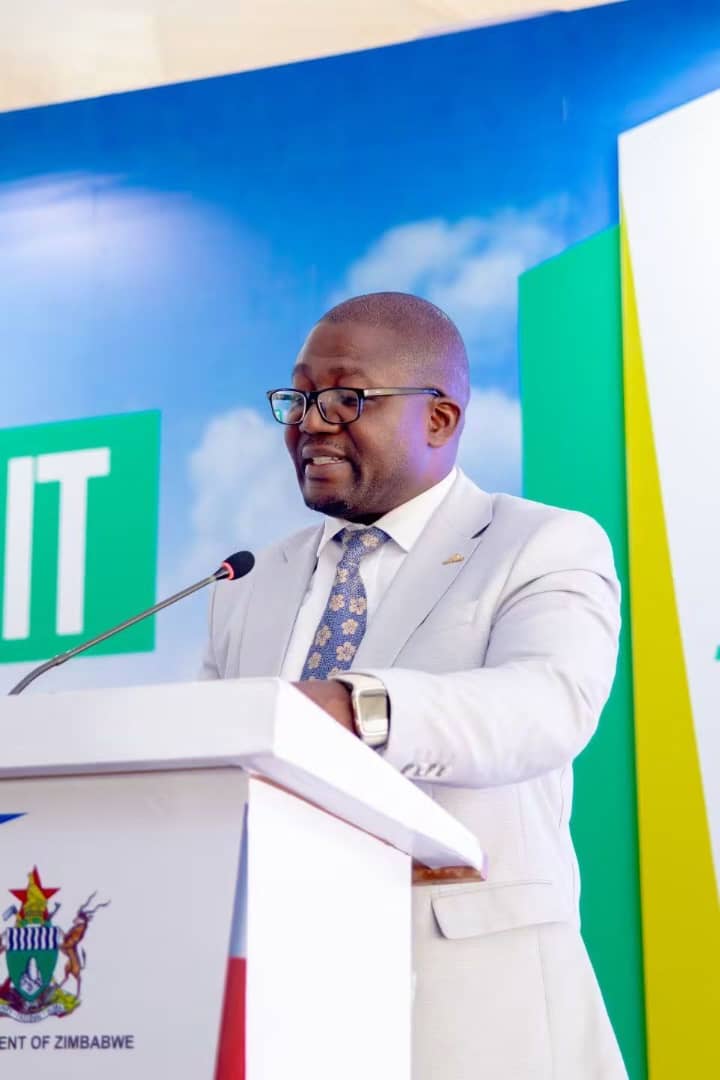
Speaking during the ZETDC southern and western regions 2019 energy management symposium in Gweru last week, the company’s commercial director, Engineer Ralph Katsande said the bulk of the debt was owed by local authorities followed by domestic users.
“We are owed just over $1 billion and the largest debtors are local authorities mostly through water pumping, treatment, sewer and other essential services.
“This is followed by domestic debt which is around $300 million which we are recovering through prepaid platform. We are trying to recover the money by deducting money each time people purchase electricity recharge tokens so that a certain percentage goes towards settling the debt.
“For business we are using payment plans and giving them six months to clear their debt. We are also engaging last customers in key management to encourage them to pay.
“We have also taken the root of litigation where we sometimes have to disconnect supply to customers that are in arrears and are not complying.
“We have also engaged debt collectors across the country to assist us recover the debt. We have also gone to the extent of blacklisting those defaulters with credit bureau agencies,” he said.
Eng Katsande said ZETDC had put in place measures to ensure that it recovered the money from the defaulting clients.
“There are cases when we offset the debts for example when we owe councils water or other utilities.
“Our success rate is limited and we have stepped up the efforts trying to remind and encourage people to come forward and settle their debts. We have allowed some of them to continue operating as long as they pay the current bill while a portion goes towards retiring the debt because we don’t want the debt to continue increasing,” he said, adding that some customers were co-operating.
Eng Katsande said they were collecting between 80 and 90 percent of what they were billing.
“Ideally we would need to collect 110 percent so that we can eat into the debt,” he said.
He said the introduction of smart meters would help in revenue collection and efficiency.
The meters would also guard against bridging and theft of electricity.


 Online Reporter