Online Reporter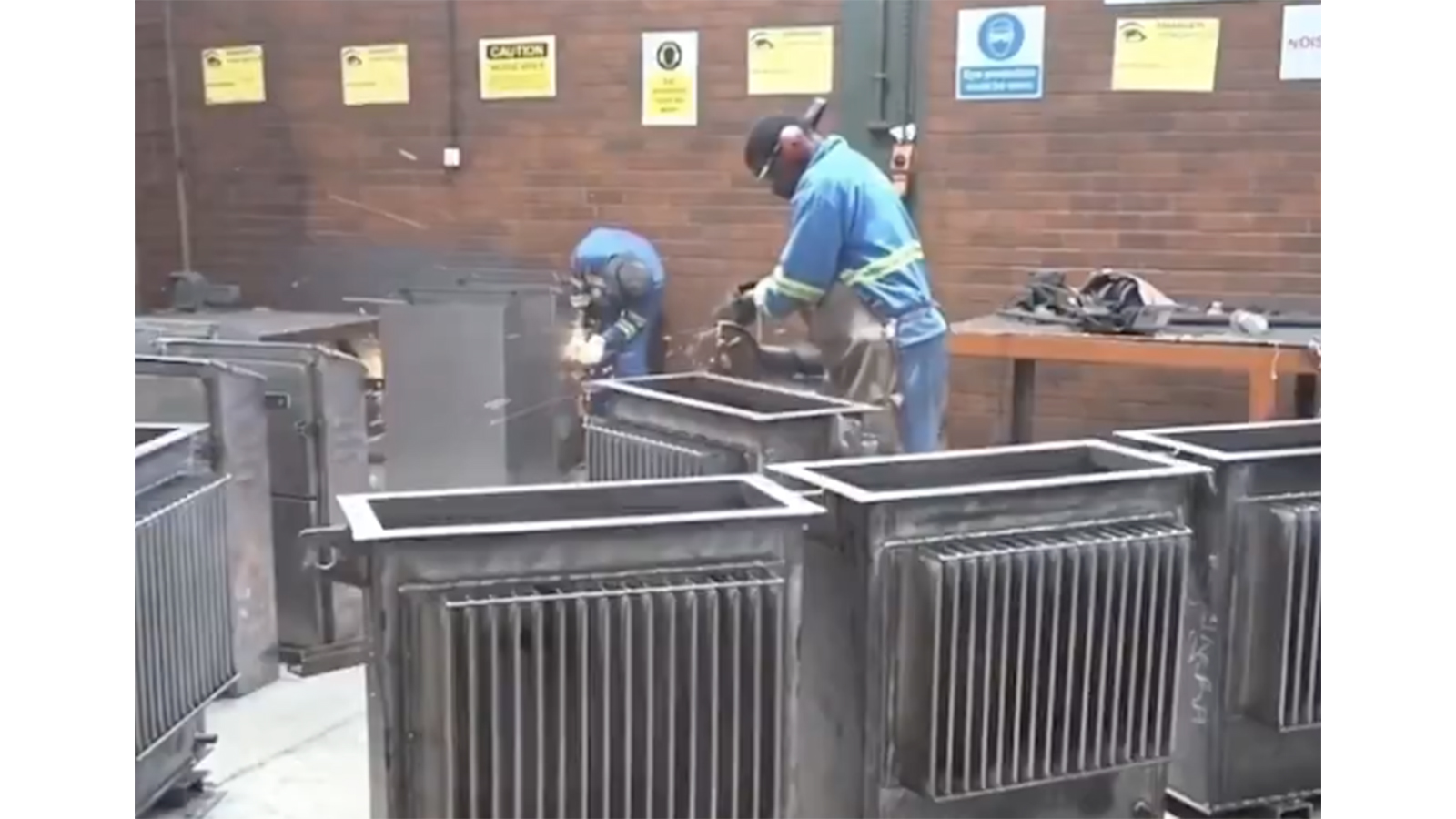
Zvamaida Murwira-Senior Reporter
ZESA Enterprises, a subsidiary of Zesa Holdings, has set sights on producing 10 000 transformers annually, a massive leap from just 600 three years ago and its current output of about 3 000.
The target is expected to bolster Zimbabwe’s industrialisation and modernisation drive by expanding local energy infrastructure, cutting the import bill, creating jobs and fostering technology transfer.
The surge in production is significant for Zimbabwe, where reliable electricity supply underpins industrial operations, commercial activity and household needs.
Zent manufactures transformers ranging in size from 10kVA to 90MVA, with capacity of up to 132kV, which are critical for transmitting electricity efficiently from generation plants to end-users.
The transformers either step up voltage for long-distance transmission or step it down for safe distribution to factories, businesses and homes.
Without adequate transformers, the country risks bottlenecks in energy transmission that can disrupt economic growth.
Zent managing director, Dr Godfrey Mugaviri, said the transformation was already yielding results.
“Zent has increased production from 600 transformers per year in 2021 to between 2 500 and 3 000 currently. With improved funding, we aim to reach 10 000 units annually. We are producing high-quality transformers with a 25-year warranty, compared to cheap imports that often fail within six months,” he said.
He said Zent is pursuing partnerships with local companies to localise component production, a move projected to save millions of United States dollars in imports while stimulating job creation and technological skills development.
The firm is also working closely with local universities under the Heritage-Based Education 5.0 model to strengthen innovation and produce skilled technicians for the energy sector.
In addition, the company is shifting from copper to aluminium winding for transformers.
Copper has long been a target for thieves due to its high market value, leading to vandalism and losses.
Aluminium, on the other hand, is less attractive to thieves, making it a safer and more sustainable alternative.
“We are moving away from the use of copper in our transformers,” he said.
“Copper wire has a ready and thriving market, making it a target for thieves, similar to gold. By contrast, thieves are not as eager to steal aluminium; they might only target the transformer oil. Therefore, we are transitioning to aluminium windings. We are also collaborating with local universities, leveraging the expertise of their artisans and technicians.”
He added that discussions with local companies under Government’s Public-Private Partnerships framework were key to achieving full localisation of component manufacturing.
“This will reduce the import bill, save foreign currency, promote industrialisation and create jobs. It also helps us bypass bureaucratic procurement processes that slow down production,” Dr Mugaviri noted.
The establishment of the Dinson Iron and Steel Company in Manhize has also given a major boost to transformer manufacturing by ensuring steady supply of steel, a key input.
The private sector has welcomed Zent’s increased capacity.
Chairperson of the Intensive Energy Users Group (IEUG), Mr Caleb Dengu, said heavy energy users — including mining companies and large manufacturers — depend on reliable transformers to guarantee uninterrupted power supply.
“IEUG, which represents private sector energy consumers, fully supports Zent in producing local transformers tailored to our environment and serviceable by local technicians,” said Mr Dengu, who is also chairperson of RioZim.
“We, however, want the pricing to be based on import parity.
“We have many members building dedicated power lines to ensure uninterrupted power supply to support processing plants.
“They need transformers and what Zent is doing will help our members greatly.”
Energy remains one of Zimbabwe’s most critical enablers of economic growth.
The availability of adequate transformers will help stabilise the grid, reduce downtime for industries and support new investments in mining, manufacturing and infrastructure.
The Government has been investing in generation projects such as Hwange Unit 7 and 8 and renewable energy schemes, but transmission and distribution infrastructure like transformers are equally vital to ensure power reaches end-users efficiently.
Related stories