Online Reporter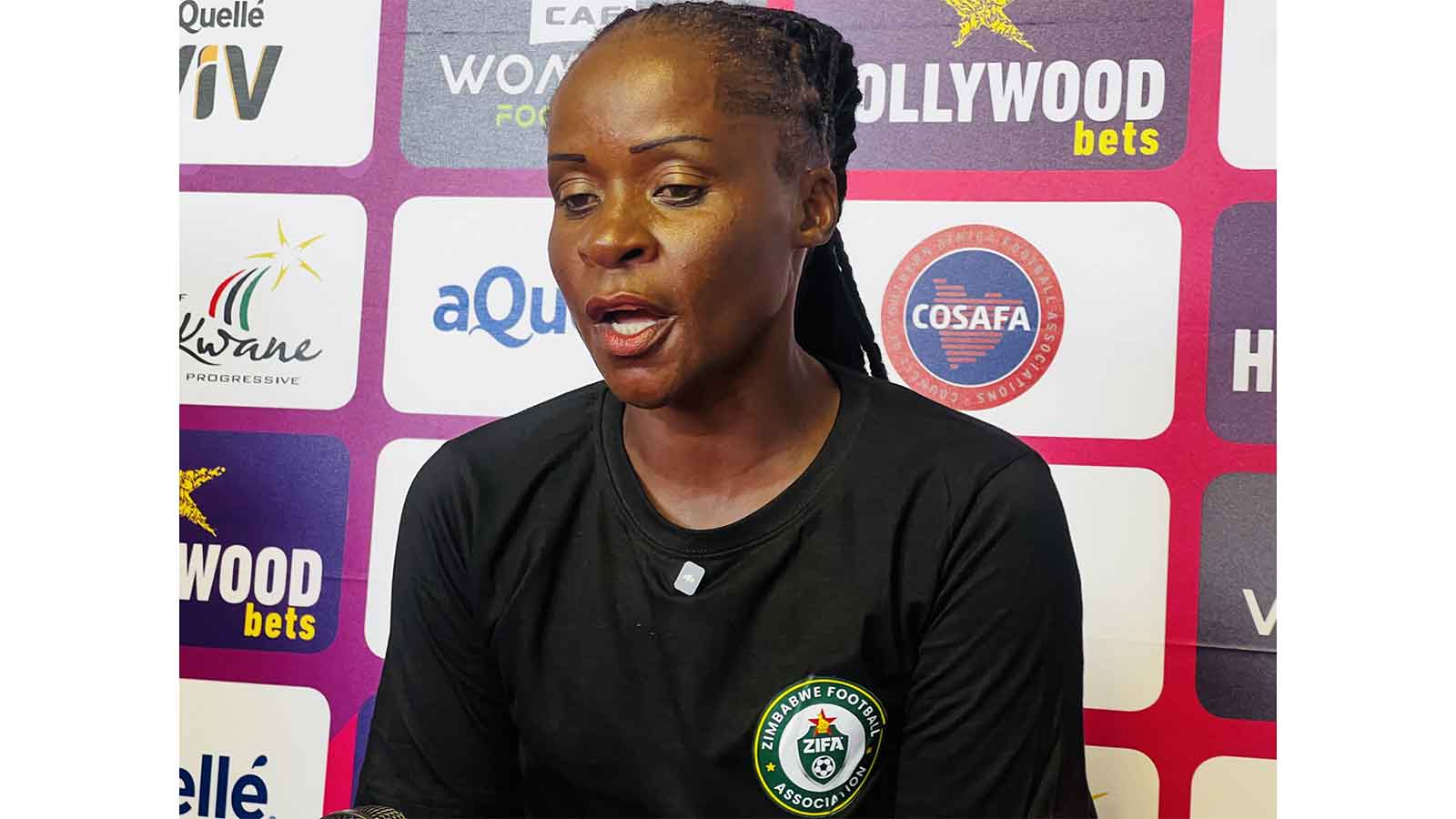
Veronica Gwaze-Zimpapers Sports Hub
ZIMBABWE is already setting the trend in football following FIFA’s recent announcement on women inclusion in technical positions.
FIFA have introduced new regulations requiring every team in women’s competitions to include at least one female coach, either as head coach or assistant.
The world football governing body also now require a minimum of two women to be on the bench during matches with at least one in a technical coaching role. Teams will also be required to have one woman on their medical staff.
This will take effect across youth and senior tournaments, both at club and national level, starting with the upcoming competitions.
The upcoming competitions are the FIFA Under-17 Women’s World Cup pencilled in for Morocco between October 17 and November 7, 2026 and the FIFA Under-20 Women’s World Cup scheduled for Poland from September 5 to 27.
It will also be in use at the second edition of the women’s Champions Cup, the 2027 World Cup in Brazil and the inaugural women’s Club World Cup in two years’ time.
“The initiative is part of the broader strategy to ensure that the rapid growth of the women’s game is matched by an increased representation of women in technical and leadership roles,” said FIFA in a statement.
Zimbabwe is one of the countries already conforming to the just introduced stipulations.
Of the 11 nations at the 2026 COSAFA Championships in South Africa, they (Zimbabwe) were the only team with an all-women technical team on the bench.
Coach Sithethelelwe “Kwinji 15” Sibanda was being assisted by Irene Mwanza, goalkeepers’ trainer Onai Chingawo and Primrose Serima who was responsible for the team’s strength and conditioning.
Miriam Kasimu was the team manager, Kudzanai Matavire was given the role of team physiotherapist and long-serving sports medicine practitioner Margaret Maulana was the team doctor.
This shows Zimbabwe’s commitment in having women taking up technical roles in both domestic and national teams.
FIFA said in spite of the growth of the women’s game, globally coaching positions are still occupied largely by men.
At the Women’s World Cup in 2023, only 12 of the 32 head coaches were female.
“There are simply not enough women in coaching today,” said Jill Ellis, FIFA’s chief football officer and former United States national team head coach.
“We must do more to accelerate change by creating clearer pathways, expanding opportunities, and increasing the visibility for women on our sidelines.
“The new FIFA regulations, combined with targeted development programmes, mark an important investment in both the current and future generation of female coaches.”
While in Zimbabwe, just like in other nations, females in leading technical roles are still few, Mighty Warriors coach Sibanda is a leading example.
The renowned coach applauded FIFA, citing their stance which will pave the way for more women to step forward and take up important roles in the women’s game.
She is the first Zimbabwean woman to earn a CAF A badge, first female to coach a Premier Soccer League team.
Adding another feather to her cap, she recently became the first female coach from Zimbabwe to qualify with a FIFA Educators Diploma.
“Being the first lady to do something is no longer a new thing, as women we are often undermined and this is how some of them give up on their dreams,” she said.
“I had to develop thick skin over the years for me to be here, I have been insulted by both men and women, but I told myself to never look back.
“I believe that it is actually overdue for women to get into these technical spaces and other leadership roles but let us earn the roles on merit.”