Zimpapers Business Hub
Zimbabwe Gold (ZiG)’s loans-to-deposit ratio has surged from 30 percent at its launch last year to 46 percent presently, the Reserve Bank of Zimbabwe (RBZ) has said.
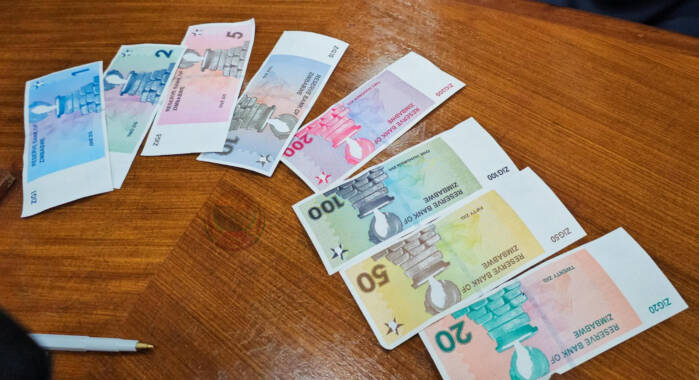
The ZiG was introduced by the central bank on April 5, 2024, replacing the inflation-worn Zimbabwe dollar.
It was launched as a “structured currency” backed by a composite basket of reserves, including foreign currency and precious metals, primarily gold. The currency was meant to reset the country’s monetary policy and re-anchor exchange rate stability, which had been undermined by hyperinflation.

The loans-to-deposit ratio is a banking metric that measures the percentage of deposits that a bank lends out to customers.
A rising LDR signals that a bank is increasing its core activity of financial intermediation, turning customer deposits into loans.
While a high ratio can signify higher profitability, a ratio that is too high signals aggressive lending and a potential liquidity risk, as the bank holds less cash to cover unexpected withdrawals.
The RBZ cites 70 percent as a prudent benchmark for the local banking sector, meaning the current ZiG LDR of 46 percent, though rising, suggests banks are still holding a significant liquidity buffer.
However, banking analysts contend that while the appetite for ZiG loans remains high, commercial banks are constrained from lending due to persistent liquidity shortages.
The liquidity crunch prompted RBZ to launch the Targeted Finance Facility, a funding initiative administered by local banks to inject essential credit directly into the productive sectors, such as manufacturing and agriculture.
Initially, the ZiG was launched at an official exchange rate of 13,56 ZiG per US dollar. Since its debut, the RBZ has worked to promote its use in the multi-currency system, and official data has shown an increased proportion of transactions being conducted in ZiG.
The domestic unit is currently trading at 26,71 to the US dollar, maintaining a relatively stable trajectory since the central bank devalued the currency by 43 percent on September 27, 2024, to 24,4 ZiG per dollar.
According to the central bank, the country’s total foreign currency reserves surged to a robust US$900 million during the quarter ending September 2025, increasing from US$731 million recorded in the preceding quarter.
The apex bank reported that this strengthened Zimbabwe’s foreign currency reserve position to fully cover both the required gold reserves backing the ZiG and the entire stock of ZiG deposits as of September 2025, bolstering confidence in the new currency’s backing.
For a country that has historically suffered multiple currency attacks and crises since the dramatic instability of 2008 hyperinflation, the ZiG’s relative stability is a critical indicator that it is finally providing a much-needed foundation of trust and resilience in the financial system.
Nevertheless, the RBZ’s official roadmap to transition to a mono-currency system by 2030 will be gradual.
Despite the ZiG’s stability, the central bank has said that foreign currency accounts and US dollar contracts will remain protected, ensuring that the ZiG will continue to trade alongside other foreign currencies in the multi-currency framework until the economic conditions and stability targets are fully met for de-dollarisation.