Online Reporter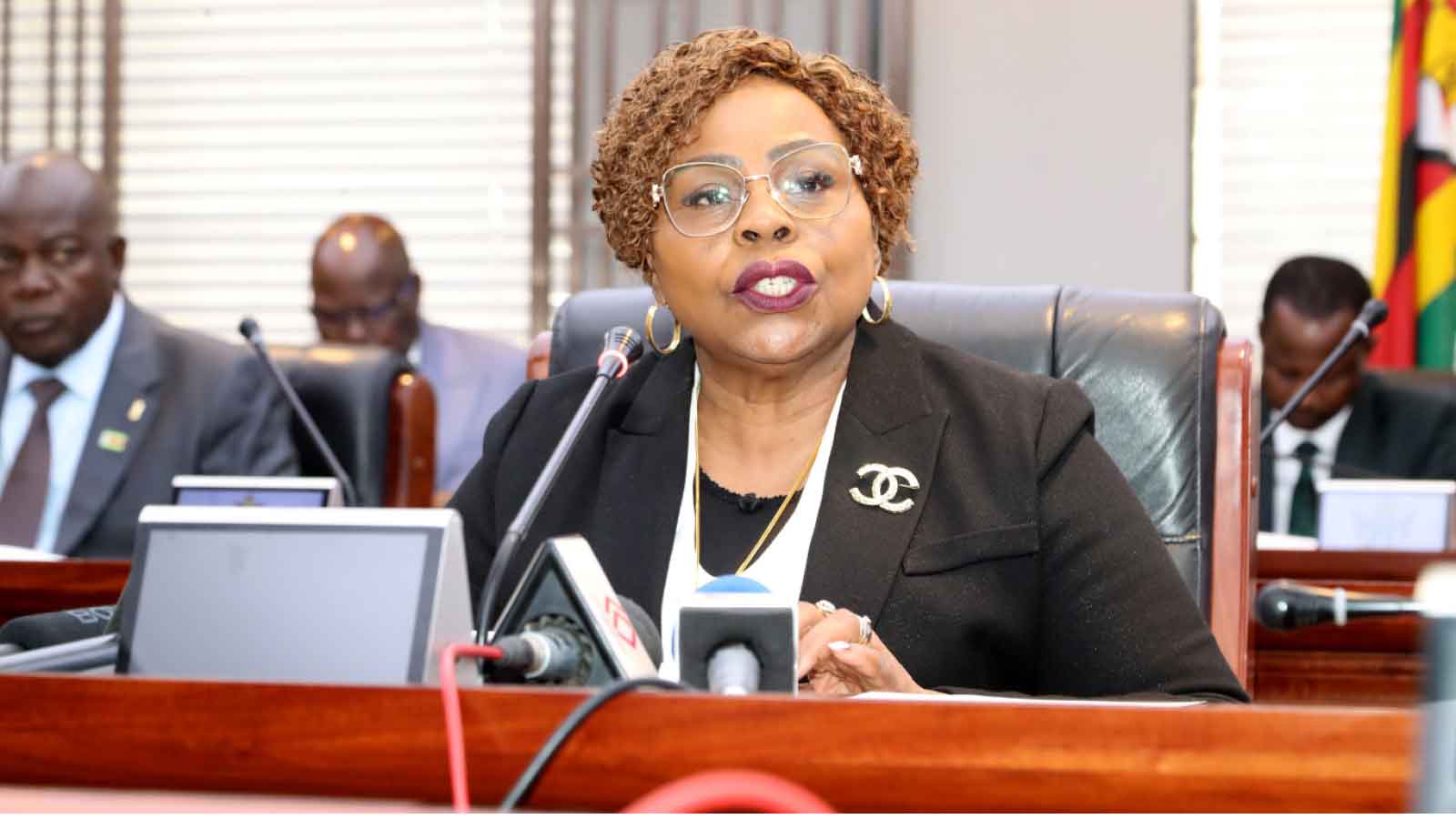
We publish here the 27th post Cabinet media briefing presented by Minister of Women Affairs, Community, Small and Medium Enterprises Development, Senator Monica Mutsvangwa, in Harare yesterday.
Cabinet received an update on the ongoing Repatriation and Re-integration of Zimbabwean Nationals from the Republic of South Africa from the Minister of Local Government and Public Works, Honourable Daniel Garwe, as Chairperson of the Cabinet Committee on Environment, Emergency Preparedness, Disaster Prevention and Management.
As at August 16, 2026 a total of 42 339 Government-assisted repatriations were recorded at Beitbridge Border Post, with 112 863 self-repatriations, bringing the total of recorded repatriations to 155 264.
In addition, 1 035 self-repatriations were recorded through Botswana border entry points including Plumtree, Mphoengs, Maitengwe and Mlambapele, while 86 300 Malawian nationals have been assisted to repatriate to their country through Zimbabwe.
Government notes that the categories of returnees are as follows: 10 437 male adults, 13 558 female adults, 8 937 male minors, 9 399 female minors, 4 unaccompanied male minors and 4 unaccompanied female minors.
In addition, a total of 701 deportees were received at the Beitbridge Reception Centre from Lindela Prison in Gauteng Province in South Africa, while a total of cumulative 622 bus trips ferrying returnees have been undertaken to date.
The nation is informed that efforts to enhance re-integration are continuing, with profiling and documentation of returnees’ skills and qualifications progressing well.
A total of 60 737 returnees were recorded in the Skills Audit Database, including 15 percent domestic workers, 12 percent farm workers, 7 percent vendors, 6 percent fruit pickers, 6 percent bricklayers, 5 percent hairdressers and 4 percent caregivers, while 6 percent were recorded as unemployed and 1 percent as small business owners.
Government continues to strengthen disease surveillance, and foster collaborative efforts with all supporting partners in order to ensure smooth repatriation and re-integration of all Zimbabwean nationals returning from the Republic of South Africa.
2.0 REPORT ON THE STATUS OF THE RESTRUCTURING AND RE-ORGANISATION OF THE ZESA GROUP
As part of ongoing efforts to ensure energy self-sufficiency under Vision 2030 targets, the Minister of Energy and Power Development, Honourable July Gabarari Moyo presented the Status Report on the Restructuring and Re-organisation of the ZESA Group, which was approved by Cabinet.
The nation is advised that, following the placement of the ZESA Group shareholding under the Mutapa Investment Fund, and in line with an earlier Cabinet resolution to re-organise the electricity utility into a vertically integrated platform, the principal restructuring work streams have been substantially completed and are now in the implementation phase.
The strategic corporate restructuring intends to create a bankable, accountable and operationally integrated electricity platform, which consolidates generation, transmission, distribution, system planning, commercial services and shared corporate functions under ZESA (Private) Limited.
The model reduces the fragmentation that previously arose from separate legal entities managing inter-dependent parts of the same electricity system.
Consequently, a single operating company will allow for enhanced coordination of all electricity value chain facets from generation, transmission, distribution performance, outages, maintenance planning, load forecasting and investment prioritisation to consumption, on a single integrated command structure.
3.0 IMPACT OF THE PROPOSED TARIFF REDUCTION ON THE RESTRUCTURING, OPERATIONS AND FINANCIAL POSITION OF THE ZESA GROUP
The Minister of Energy and Power Development also presented the Report on the Impact of the Proposed Tariff Reduction on the Restructuring, Operations and Financial Position of the ZESA Group, which was again adopted by Cabinet.
In order to ensure electricity self-sufficiency, Cabinet has already established a comprehensive reform framework in which tariff reform, restructuring of utility operations, investment mobilisation and improved revenue collection were recognised as interconnected measures necessary for implementation to that end.
Cabinet notes that the current improvements in electricity supply reliability, financial performance, infrastructure rehabilitation and investor confidence indicate that the electricity sector is on a trajectory towards long-term sustainability.
The reform programme approved by Cabinet therefore remains under implementation, with key interventions ongoing, including among others, the following: rollout of smart-metering for medium and large-scale electricity consumers; and debt recovery from Government institutions, Local Authorities and other strategic consumers.
Furthermore, Cabinet directed the Ministry of Energy and Power Development to come up with a roadmap on reducing the cost of production of electricity in the country.
4.0 PROPOSED NON-FORMAL EDUCATION POLICY
On behalf of the Chairman of the Cabinet Committee on Social Development, Honourable Vice President Colonel (Rtd.) Dr Kembo Mohadi, the Minister of Local Government and Public Works, Honourable Daniel Garwe, presented the Report on the Proposed Non-Formal Education Policy.
The nation is being informed that The Non-Formal Education Policy of 2015 was reviewed in order to strengthen the framework for delivering inclusive, quality, affordable and relevant education to all learners outside the formal school system, including Persons with Disabilities.
The new Non-Formal Education Policy, 2026 is guided by the Lifelong Education Philosophy and embraces current developments in technology and curriculum review, in line with the Education 5.0 model, the National Development Strategy 2, and Vision 2030.
More specifically, the reviewed Non-Formal Education Policy, 2026 focuses on the school as the nerve-centre of non-formal Education, among others, and provides guidelines for monitoring and evaluating Non-Formal Education Programmes.
It also transforms Non-Formal Education from a peripheral activity into a central and strategic pillar of the national education strategy, bridging the gap for marginalised populations to access education including those in remote areas and those facing socio-economic barriers, in order to ensure that no one and no place is left behind.
5.0 UPDATE ON THE 2026 ZIMBABWE AGRICULTURAL SHOW
Cabinet noted the Update Report on the 2026 Zimbabwe Agricultural Show, as presented by the Minister of Agriculture, Mechanisation and Water Resources Development, Honourable Dr Anxious Masuka.
Preparations are well on course for a successful 116th edition of the Zimbabwe Agricultural Show, which will be held from August 24th to 29th, 2026 under the theme “Powering Growth: Where Agriculture, Technology and Commerce Converge”.
The Show will provide a platform for policy dialogue and showcase modern technologies, promote climate-smart practices, and strengthen linkages across value chains while deepening regional and international collaboration.
The Zimbabwe Agricultural Society is consolidating its position as the largest exhibition platform in Zimbabwe and the SADC region.
The current space uptake for commercial exhibits covers 78 000 square metres of the targeted 89 000 square metres, with 550 exhibitors having registered compared to 505 exhibitors as at the same time in 2025.
6.0 MEMORANDUM OF UNDERSTANDING BETWEEN THE REPUBLIC OF ZIMBABWE AND START NETWORK ON THE PROPOSED PARTNERSHIP ON THE IMPLEMENTATION OF THE REPLICA PROGRAMME IN ZIMBABWE
Cabinet approved the Memorandum of Understanding between the Republic of Zimbabwe and Start Network on the Proposed Partnership on the Implementation of the Replica Programme in Zimbabwe, which was presented by the Minister of Justice, Legal and Parliamentary Affairs, Honourable Ziyambi Ziyambi, as Chairman of the Cabinet Committee on Legislation.
The Republic of Zimbabwe signed an Agreement for the establishment of the Africa Risk Capacity (ARC) Agency and became a member of the ARC and, subsequently ratified and deposited the Instrument of Ratification in 2025.
The Africa Risk Capacity Agency will assist Zimbabwe to improve its capacity to plan, prepare for, and respond to extreme weather events and natural disasters, especially drought.
Start Network is an Africa Risk Capacity Agency Replica Partner for Zimbabwe that complements the country’s participation in the Africa Risk Capacity Agency drought risk pool.
The collaboration will also focus on the potential purchase of the Africa Risk Capacity Agency Replica sovereign drought insurance to protect beneficiaries against drought impacts in Zimbabwe.
The MoU becomes effective on the last date of signature by the Parties.
7.0 PROPOSED PARTNERSHIP WITH THE UNITED NATIONS WORLD FOOD PROGRAMME FOR THE AFRICAN RISK CAPACITY REPLICA COVERAGE IN ZIMBABWE
Cabinet considered and approved the Tripartite Memorandum of Understanding covering the Partnership with the United Nations World Food Programme for the African Risk Capacity Replica Coverage in Zimbabwe, as presented by the Minister of Justice, Legal and Parliamentary Affairs, Honourable Ziyambi Ziyambi.
The African Risk Capacity is a specialised agency of the African Union that helps member States improve their capacity to plan, prepare for and respond to extreme weather events and natural disasters, including droughts. Zimbabwe is already a member of the organisation.
Under the Africa Risk Capacity partnership, Zimbabwe benefits through predictable drought insurance financing, enabling faster and more effective disaster response while protecting vulnerable households.
Zimbabwe previously received sovereign agriculture insurance pay-outs in the 2019/2020 and 2023/2024 agricultural seasons, which supported food consumption for the most vulnerable and food insecure households in drought-affected districts.
The Memorandum of Understanding will enable United Nations agencies and humanitarian actors to participate in the Africa Risk Capacity Replica Programme.
8.0 MEMORANDUM OF UNDERSTANDING BETWEEN THE REPUBLIC OF ZIMBABWE AND THE PEOPLE’S DEMOCRATIC REPUBLIC OF ALGERIA IN THE FIELD OF AGRICULTURE AND FISHERIES
Cabinet approved the Memorandum of Understanding between the Republic of Zimbabwe and the People’s Democratic Republic of Algeria in the Field of Agriculture and Fisheries, which was presented by the Minister of Justice, Legal and Parliamentary Affairs, Honourable Ziyambi Ziyambi, as Chairman of the Cabinet Committee on Legislation.
The MoU seeks to promote, develop and strengthen cooperation between the Parties in the fields of agriculture and fisheries on the basis of equality, mutual benefit and respect for the domestic laws of each Party.
The cooperation shall include, but shall not be limited to plant production; establishment of agro-processing infrastructure; livestock production and development; fisheries and aquaculture production; agricultural research, innovation and technology transfer; and agricultural education, training, extension services and exchange programmes.
The MoU shall remain valid for a period of five (5) years and shall be automatically renewed for similar periods, unless either Party opts to terminate the MoU.
9.0 MEMORANDUM OF UNDERSTANDING BETWEEN THE REPUBLIC OF ZIMBABWE AND THE PEOPLE’S DEMOCRATIC REPUBLIC OF ALGERIA IN THE FIELD OF WATER RESOURCES
Cabinet considered and approved a Memorandum of Understanding between the Republic of Zimbabwe and the People’s Democratic Republic of Algeria in the Field of Water Resources, as presented by the Minister of Justice, Legal and Parliamentary Affairs, Honourable Ziyambi Ziyambi, Chairperson of the Cabinet Committee on Legislation.
The MoU establishes modalities for promoting the exchange of knowledge, expertise and investment opportunities in water resources management through partnerships between relevant institutions.
Under the MoU, cooperation areas will include construction and development of dams; sharing of irrigation technologies and irrigation development; re-use of wastewater for agricultural purposes; river-flood control and torrential correction; and integrated and sustainable management of water resources.
In addition, the MoU will promote exchange of research findings and best practices; and enhance capacity-building in water resources management.
10.0 MEMORANDUM OF UNDERSTANDING BETWEEN THE REPUBLIC OF ZIMBABWE AND THE GOVERNMENT OF THE STATE OF QATAR IN THE FIELD OF HEALTH AND MEDICAL RESEARCH
The Minister of Justice, Legal and Parliamentary Affairs, Honourable Ziyambi Ziyambi, as Chairman of the Cabinet Committee on Legislation also presented the Memorandum of Understanding between the Republic of Zimbabwe and the Government of the State of Qatar in the Field of Health and Medical Research, which Cabinet adopted.
The MoU seeks to enhance cooperation between the Parties in the following areas: joint research projects on healthcare systems; primary care implementation and related technologies; sharing of health programme information and scientific publications; experiences in health data systems and epidemiology; exchanging medical laws; facilitating visits and exchanges between medical professionals for learning and collaboration; facilitating graduate studies and specialised training programmes in medicine and any other areas of cooperation agreed upon in the future.
The MoU shall remain valid for a period of five (5) years and shall be automatically renewed for similar periods, unless either Party opts to terminate.
11.0 REPORT ON THE LAKE KARIBA PASSENGER FERRY DISASTER
Cabinet received the Report on the Lake Kariba Passenger Ferry Disaster, which was presented by the Minister of Local Government and Public Works, Honourable D. Garwe, as Chairperson of the Cabinet Committee on Environment, Emergency Preparedness, Disaster Prevention and Management.
The nation is advised that preliminary investigations indicate that the Rural Infrastructure Development Agency (RIDA)’s Mbuya Nehanda ferry which capsized on Lake Kariba on August 11, 2026 was ferrying about 180 passengers and goods, thus exceeding its carrying capacity.
The vessel reportedly capsized after being struck by strong waves. Government notes that the Meteorological Services Department had issued an early warning advising all lake users against sailing.
The key statistics that have been recorded include the following:
- 77 passengers were rescued;
- 92 deceased persons were retrieved as at August 16, 2026; and
- 7 people who were confirmed by relatives to have been on the boat are still missing.
Meanwhile, Government has commenced formal investigations which include examining the structural remains of the vessel and probing on operational and compliance issues.
His Excellency the President of the Republic of Zimbabwe Cde Dr Mnangagwa declared the incident a State of Disaster in terms of Section 27(1) of the Civil Protection Act, and directed all relevant authorities to provide affected families with funeral services, medical assistance and psycho-social support to assist in coping with trauma arising from the incident.
Accordingly, Government is providing State Assisted burials through Doves and Nyaradzo Funeral Services.
The Department of Civil Protection continues to coordinate search, rescue and recovery operations in collaboration with the Zimbabwe Republic Police Sub Aqua Unit and the Zimbabwe National Army Boat Squadron, local authorities and relevant stakeholders.
The operations continue to intensify, with a privately-owned helicopter from the Matusadona Conservation Trust deployed to support rescue efforts.
All Lake Kariba users are urged to remain vigilant and urgently report any floating objects.
Further updates will be provided as the search and rescue operation continues.
12.0 REPORT ON THE WORKING VISIT BY THE MINISTER OF FOREIGN AFFAIRS AND INTERNATIONAL TRADE TO THE REPUBLIC OF SERBIA: AUGUST 3-5, 2026
Cabinet noted the Report on the Working Visit by the Minister of Foreign Affairs and International Trade to the Republic of Serbia from August 3 to 5, 2026, which was presented by Honourable Dr Frederick Shava as the Acting Minister of Foreign Affairs and International Trade.
The Meeting was held at the invitation of the Minister of Foreign Affairs of The Republic of Serbia, His Excellency Marko Duric, reflecting strong Mutual commitment to the scaling up of bilateral cooperation to match the excellent political relations between the two nations.
The visit sought to advance Zimbabwe’s international cooperation and regional integration; to consolidate long-standing bilateral relations; to leverage international partnerships to accelerate industrialisation, innovation and sustainable development; and to reaffirm Zimbabwe’s commitment to multilateralism, shared principles of sovereignty and territorial integrity.
During the visit, two MoUs were signed, with commitment being made to reopen Zimbabwe’s Embassy in Belgrade by 2027, to establish the Zimbabwe-Serbia Joint Permanent Commission on Cooperation, and to promote Zimbabwe’s participation at the Belgrade Expo 2027.
I THANK YOU!