Online Reporter
Senior Reporter
ZIMBABWE is advocating for a balanced approach to tobacco control that safeguards public health while supporting the livelihoods of thousands of small-scale farmers who depend on the industry.
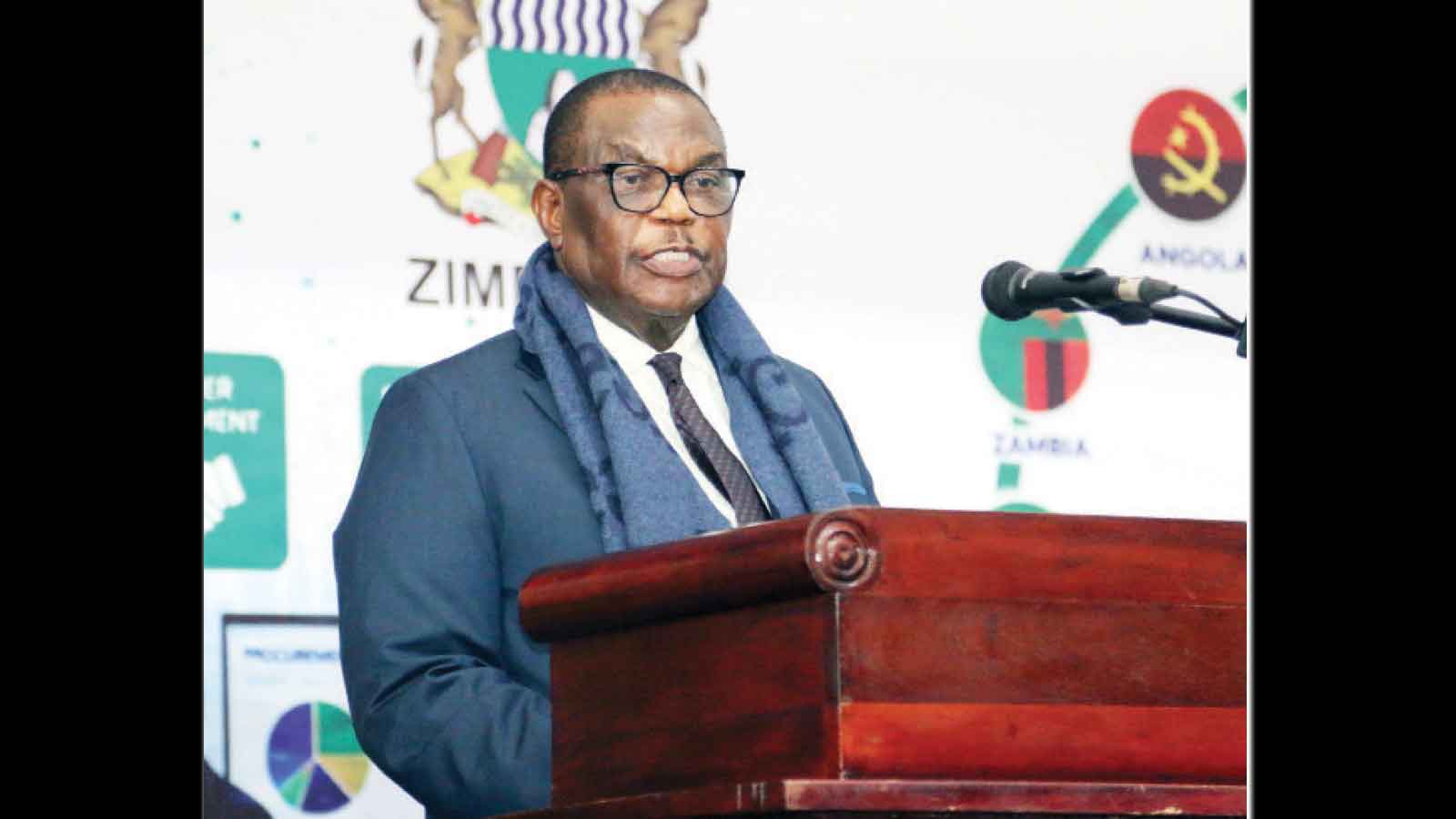
This call was made by Deputy Chief Secretary to the President and Cabinet, Dr Willard Manungo, who is leading an interministerial delegation at COP11 and Meeting of the Parties (MOP4) of the World Health Organisation Framework Convention on Tobacco Control in Geneva, Switzerland.
In a statement, Dr Manungo emphasised the importance of collaboration with like-minded nations to ensure that proposed decisions do not infringe upon national legal frameworks.
The discussions at the conference have included contentious topics such as generational bans on tobacco use and limitations on governmental support for tobacco farmers.
Dr Manungo said Zimbabwe has participated actively at COP11 of the WHO Framework Convention on Tobacco Control, where parties reviewed global progress in reducing the harmful effects of tobacco.
“As a leading tobacco producer since 2015, Zimbabwe has continued to advocate for a balanced and fair approach to tobacco control,” said Dr Manungo.
He stressed that while public health is of utmost importance, it is equally critical to protect the livelihoods of farmers who rely on tobacco cultivation.
“Zimbabwe’s delegation emphasised the need to protect public health while also safeguarding the livelihoods of thousands of small-scale farmers who depend on tobacco.
“Working with like-minded countries, Zimbabwe has successfully pushed for flexibility in proposed decisions that would have gone beyond the treaty and affected our national legal frameworks,” he said.
At MOP4, which started on Monday, Dr Manungo noted that discussions would focus on combating the illicit trade of tobacco products, an important issue for Zimbabwe.
“Zimbabwe is currently witnessing an influx of illicit and emerging nicotine products; such as shisha, e-cigarettes, and nicotine pouches—targeting our youth and fuelling challenges related to drug and substance abuse,” he said.
Dr Manungo highlighted the need for strengthened international cooperation to combat such illicit trade, stating that the conference provides valuable opportunities to learn from other countries’ experiences.
“Zimbabwe is working towards acceding to the Illicit Trade Protocol in order to fully participate as a Party. These engagements support our national priorities under the National Development Strategy 2 (NDS2) and our march towards Vision 2030.”
Dr Manungo reaffirmed Zimbabwe’s commitment to constructive dialogue and evidence-based strategies that protect both public health and national development, ensuring that the voices of small-scale farmers are heard in the global conversation about tobacco control.