Online Reporter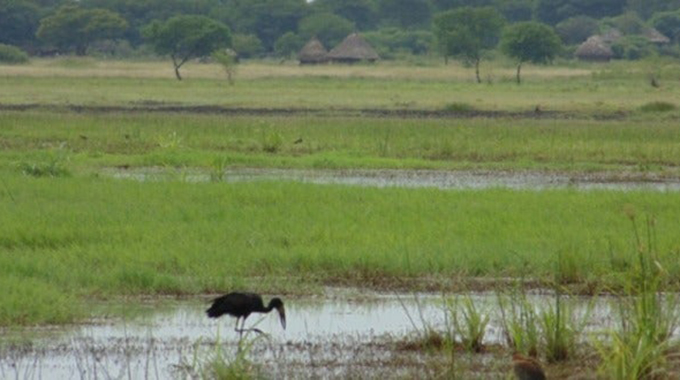
Ivan Zhakata
Herald Correspondent
THE Ministry of Environment, Climate and Wildlife has urged Zimbabweans and stakeholders to intensify efforts to protect the country’s wetlands ahead of World Wetlands Day on February 2.
In a statement, the ministry said: “Wetlands are Zimbabwe’s lifeblood, providing water, food and shelter. Let us work together to conserve and manage these ecosystems sustainably.”
World Wetlands Day marks the anniversary of the 1971 Ramsar Convention on Wetlands, an international treaty promoting global cooperation for the conservation and sustainable use of wetlands.
First observed in 1997, the day highlights wetlands’ ecological significance, including their role in supporting biodiversity, regulating water cycles, purifying water and mitigating climate change.
Zimbabwe is home to approximately 1 117 wetlands, covering about 793 348 hectares or 1,5 percent of the country’s land area.
These ecosystems provide critical services such as groundwater recharge, flood control, and habitat for diverse wildlife.
Of these, seven wetlands are designated Ramsar sites, collectively covering 453 828 hectares.
These include Monavale Vlei, Cleveland Dam, Lake Chivero and Manyame, Victoria Falls National Park, Mana Pools National Park, Driefontein Grasslands and Chinhoyi Caves.
Wetlands contribute significantly to Zimbabwe’s economic and ecological well-being.
Sites such as Lake Chivero provide urban water, support irrigation and sustain commercial fishing, while Victoria Falls and Mana Pools attract tourism that generates revenue and supports local livelihoods.
Wetlands also act as natural water purifiers and carbon sinks, filtering pollutants and storing greenhouse gases that help mitigate climate change.
Despite their importance, surveys show that only 17 percent of Zimbabwe’s wetlands are in good ecological condition, with the rest degraded by urban expansion, unsustainable farming, mining and pollution.
Zimbabwe’s commitment to wetland conservation was shown when it hosted the 15th Conference of the Parties (COP15) to the Ramsar Convention in Victoria Falls in July 2025 and now holds the Presidency of the Convention.
This year’s World Wetlands Day theme — “Wetlands and Traditional Knowledge: Celebrating Cultural Heritage” — highlights the role of indigenous knowledge in safeguarding these ecosystems.
The ministry called on communities, local authorities, conservation groups and the private sector to participate in awareness campaigns, educational outreach and on-the-ground conservation initiatives across the country.
Environmental experts said proactive measures are needed to protect wetlands, not only for biodiversity and climate resilience but also for sustaining water supplies and economic activities that millions of Zimbabweans depend on.