

 Online Reporter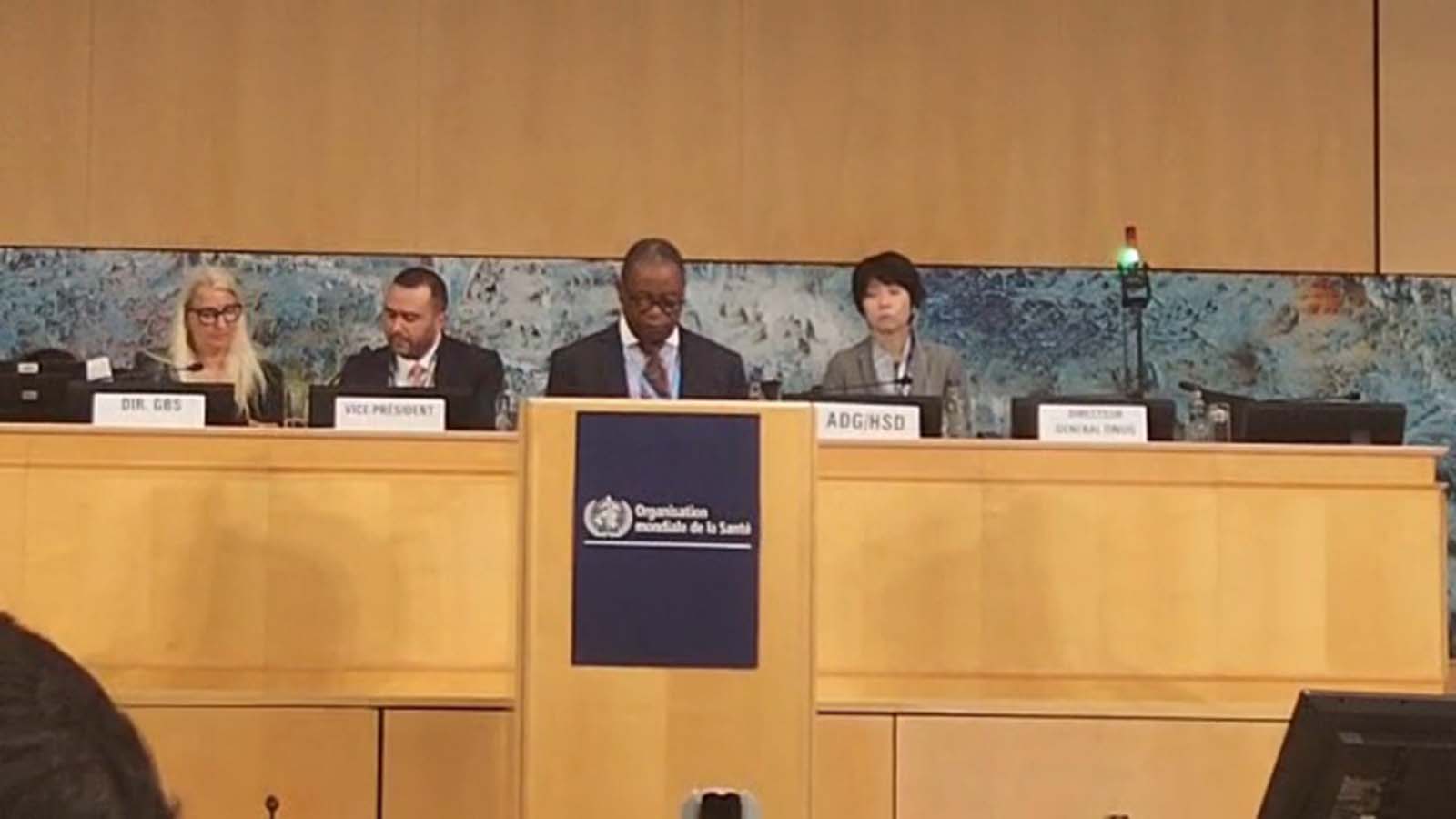
Rumbidzayi Zinyuke in GENEVA, Switzerland
ZIMBABWE has called for stronger global cooperation in strengthening health systems and pandemic preparedness amid growing concerns over emerging and recurring disease outbreaks across the world.
Presenting Zimbabwe’s national statement at the 79th World Health Assembly here, Health and Child Care Minister Dr Douglas Mombeshora said there was need for countries to work together to strengthen global health security systems following the lessons learnt from Covid-19.
His remarks come as countries continue to battle outbreaks such as cholera, mpox and Ebola. Discussions at the assembly are focused on improving disease surveillance, emergency preparedness and equitable access to vaccines, medicines and diagnostics during future pandemics.
“Zimbabwe calls for continued global collaboration and for the finalisation and full implementation of all global health instruments in place for pandemic prevention, preparedness and response,” said Dr Mombeshora.
“We also call on all WHO partners to continue supporting health sector transitions with predictability, accessibility and respect for national priorities.”
The minister said stronger international cooperation was critical in ensuring countries, particularly developing nations, are better prepared to respond to future public health emergencies.
Against this background, Dr Mombeshora said Zimbabwe has continued to strengthen its own health system and has recorded notable progress in improving health outcomes despite economic and global health challenges.
He said maternal mortality had declined significantly from 640 deaths per 100 000 live births to 124 per 100 000 live births, while immunisation coverage had remained high, with DPT3 coverage standing at 99 percent.
Zimbabwe has also improved access to treatment services and reduced disease burdens through sustained investment in the health sector.
“In the last two years, we have made progress. Therefore, we are making all critical changes. We are implementing programmes that are strengthening the health sector and improving service delivery for our people,” he said.
Dr Mombeshora also highlighted that the implementation of the National Health Workforce Strategy, launched in 2020, was helping the country to improve retention, training and equitable redistribution of health workers across the country.
He said the country was also strengthening community-based healthcare systems through skills development and task-shifting programmes designed to improve access to sustainable healthcare services.
“Through our skill development and task-shifting community of workers, we are advancing the framework of sustainable care,” he said.
“This is helping us improve access to healthcare services while also strengthening the capacity of our health workforce.”
Dr Mombeshora said Zimbabwe was also professionalising value-based healthcare systems and introducing early-stage programmes aimed at improving both the quality of healthcare services and the welfare of health workers.
“We are most committed to improving the health quality of the workers and the health services they need,” he said.
“Through this programme, we can increase work productivity and improve efficiency within our national healthcare system.”
The 79th World Health Assembly has brought together health ministers, policymakers and development partners from across the world to discuss global health priorities, pandemic preparedness and sustainable healthcare financing.



