Online Reporter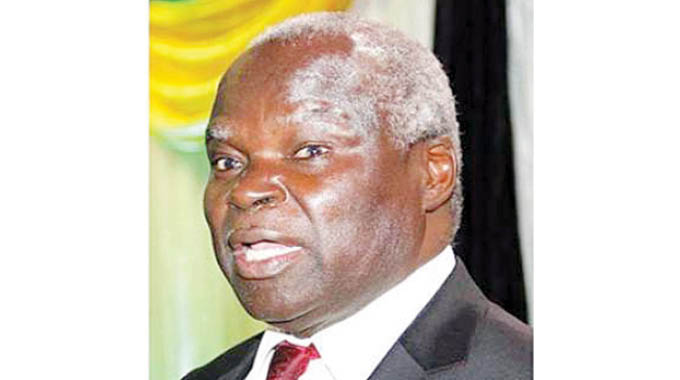
Herald Reporter
ZIMBABWE has urgently called for enhanced climate financing to address adaptation, mitigation as well as loss and damage.
The call was made by Energy and Power Development Minister July Moyo at a leaders’ roundtable session at a high-level international conference on glacier preservation recently in Dushanbe, Tajikistan.
Minister Moyo’s remarks came amid growing concerns about the impact of climate change on developing nations, particularly in Africa.
He emphasised that local communities were bearing the brunt of climate-related disasters, which are exacerbated by their economies’ vulnerability to rapidly changing weather patterns.
“The impacts of climate change are largely felt by local communities in developing countries,” said Minister Moyo.
“Their economies are less resilient to events such as droughts, ecosystem disturbances, and floods.” He cited the catastrophic effects of Cyclone Idai, which struck southern Africa in 2019, causing an estimated US$274 million in damages in Zimbabwe alone.
Further, the severe drought of 2023-2024 is projected to result in a 3,2 percent drop in the nation’s GDP.
Minister Moyo pointed out the alarming reality that extreme weather events are expected to worsen in the future.
He expressed disappointment over the outcomes of COP29, where developing countries sought at least US$1,3 trillion annually for climate action but were only allocated US$300 billion.
“Inadequate funding hampers our socio-economic development and resilience,” he asserted.
“We must find innovative ways to bridge this funding gap.”
Minister Moyo highlighted the importance of robust frameworks that ensure private sector investments in climate action benefit both the environment and the local economies.
In response to the pressing need for climate finance, Zimbabwe recently launched revised carbon trading regulations aimed at attracting investments into emission reduction projects. These regulations are designed to protect investors and ensure effective community participation.
Each project is expected to generate resources for addressing loss and damage caused by climate change and building resilience within affected communities.
However, Minister Moyo stressed that national and regional efforts must be complemented by international funding.
“Most developing countries contribute very little to global warming and the resultant issues like glacial melt and sea-level rise,” he noted.
He called for adequate resourcing of international funding mechanisms such as the Green Climate Fund and the Global Environment Facility.
Looking ahead to COP30, scheduled to take place in Brazil, Minister Moyo urged that transformative results must emerge from these institutions to support the climate resilience of developing nations.
“We must demand accountability and meaningful outcomes,” he said.
The call for increased climate finance comes at a critical juncture, as many nations grapple with the severe impacts of climate change.
Zimbabwe’s proactive stance at the international conference highlights the urgent need for concerted global action to enhance climate financing, particularly for vulnerable communities in developing countries.
As the world continues to confront the realities of climate change, the message from Zimbabwe serves as a reminder of the pressing need for equitable and adequate funding to support adaptation and mitigation efforts globally.
Without significant investment, the socio-economic development and resilience of many countries remain at risk, emphasising the importance of international cooperation in addressing this global challenge.


 Peter Tanyanyiwa