admin
admin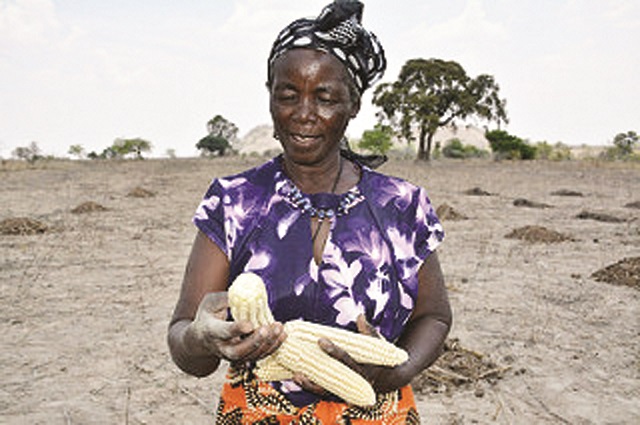
Prosper Ndlovu, Business Editor
ZIMBABWE has the capacity to produce up to 10 times surplus maize for the export market without using genetically modified technology, a Cabinet Minister has said.
The country has maintained its stance against Genetically Modified Organisms (GMOs), a modern technique involving artificial alteration of crop, plant or animal genetic nature, despite suggestions by some sections of society to embrace it as a way of improving yields.
Speaking in Bulawayo last Thursday, Agriculture, Mechanisation and Irrigation Development Minister, Dr Joseph Made, said the on-going specialised maize production scheme under the Government initiated “Command Agriculture” programme does not involve GMOs.
“The maize that we are producing under command agriculture is clean maize that is GMO free. I have dropped a very simple idea where I said that Zimbabwe is not really a net consumer. Our population is small, 14 million. When we look at the land that we have, we have much more land where we can five times, 10 times produce maize that is required outside our borders and clean food in terms of GMOs,” he said.
The subject of GMOs has divided policy opinion in view of the adverse side effects on human health and negative impact on the environment.
Zimbabwe consumes on average 1.5 million tonnes of maize annually, which could be produced on 400 000 hectares of land alone. The command agriculture scheme, which has received funding of up to $500 million, is targeting an output of 2 million tonnes this season with surplus set to be put in strategic grain reserves.
Dr Made said the success of the command agriculture scheme as well as improved production from commercial and communal farmers would result in surplus output that Zimbabwe would export.
As such, he stressed that the country should maintain cordial relations with its regional and global trade partners so as to tap their markets.
“So this is an idea that I put in here that just as much as we are fussy in terms of not wanting to import finished products, we should remember that as producers now we might want those markets to export our finished products.
“So we must continue to negotiate the pace but we have a superior product as we anticipate command agriculture to go into other products in terms of foods,” said the minister.
“As industrialists we want to encourage each other to look at the horizon beyond our own borders and our own region to be a true food supplier and food that is clean from that point of view.”
Dr Made was addressing players in the milling industry in Bulawayo during a tour of factories by the Acting President Emmerson Mnangagwa.



 Online Reporter