

 Online Reporter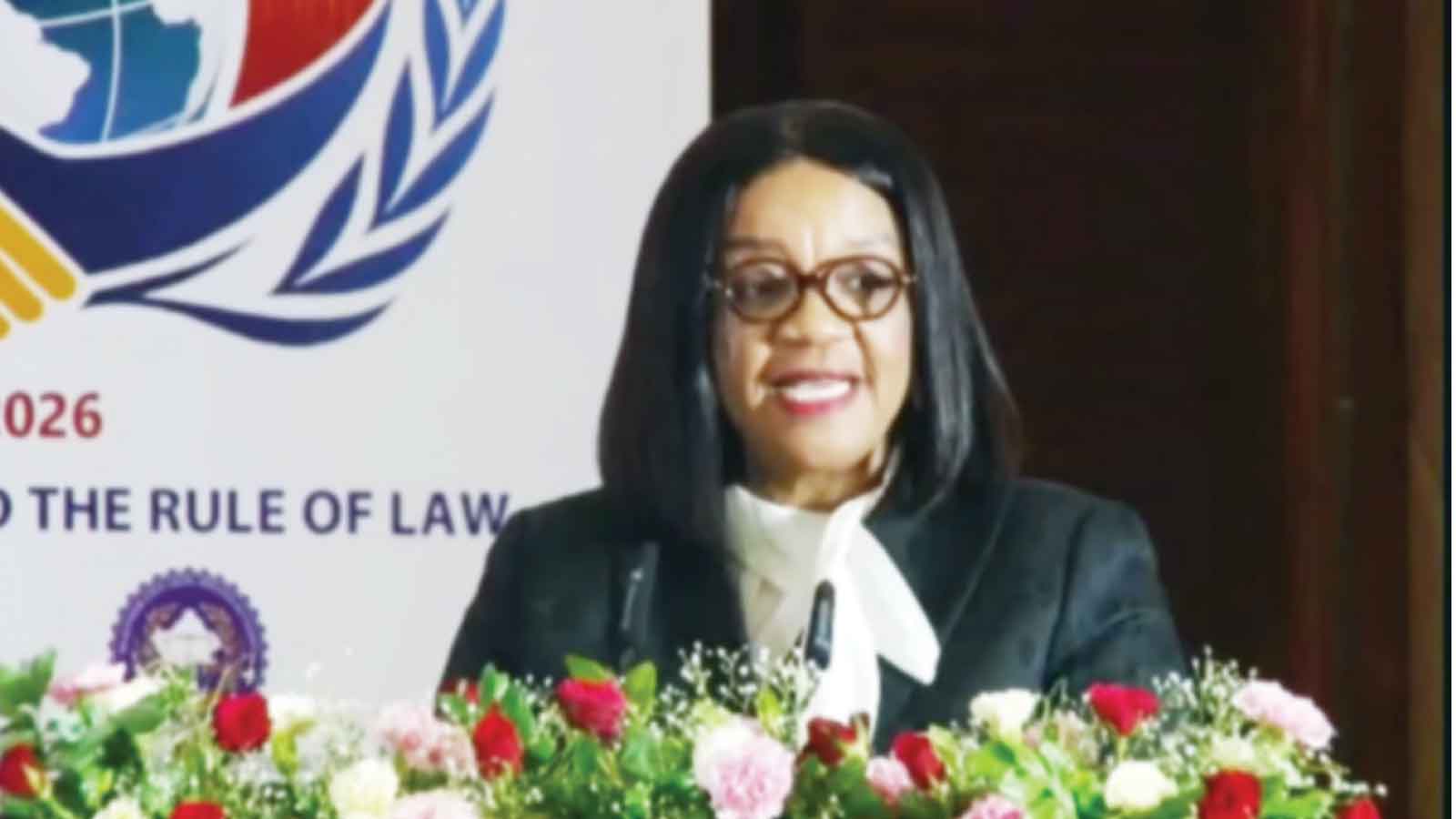
Yeukai Karengezeka-Chisepo
Herald Correspondent
ZIMBABWE has called for greater adoption of restorative justice systems that balance accountability with rehabilitation as the country shared its legal reforms and justice experiences at the Commonwealth Peace Mediation Conference underway in Jaipur, India.
Speaking during Session Three of the conference, themed “From Retribution to Restoration: Reimagining Justice through Mediation in Criminal Law,” yesterday, Secretary for Justice, Legal and Parliamentary Affairs Mrs Vimbai Nyemba said Zimbabwe believes justice should go beyond punishment to repairing harm, restoring dignity and rebuilding relationships within communities.
Mrs Nyemba said while criminal justice systems must continue to hold offenders accountable, they should also consider the needs of victims and create opportunities for offenders to take responsibility and reintegrate into society.
“Restorative justice is not justice replacing punishment. It is justice asking whether punishment alone is enough,” she said, adding that a court may close a case, but only restored relationships can truly heal communities.
She highlighted Zimbabwe’s constitutional framework, saying Section 69 guarantees the right to a fair hearing while Section 174 promotes access to justice through mediation, arbitration and other alternative dispute resolution mechanisms.
According to Mrs Nyemba, the Constitution provides a strong foundation for restorative justice by ensuring accountability is upheld while encouraging solutions that repair harm and prevent future conflict.
Mrs Nyemba told delegates that Zimbabwe has progressively incorporated restorative principles into its criminal justice system through provisions in the Criminal Procedure and Evidence Act that allow prosecutorial discretion, pre-sentence inquiries, compensation, restitution and suspended sentences where appropriate.
She said Zimbabwe’s courts also recognise rehabilitation as an important objective of sentencing, citing judicial decisions that support community service and proper offender assessments before sentencing.
The establishment of the Pathways to Reintegration Foundation (PAREF), she said, further demonstrates the country’s commitment to helping released offenders successfully reintegrate into society through mentorship and skills development.
Mrs Nyemba also outlined Zimbabwe’s ongoing Child Justice Bill, which introduces diversion programmes, victim-offender mediation, family group conferencing and child justice officers to ensure young offenders are held accountable while being given opportunities for rehabilitation.
She noted that restorative justice also reflects Zimbabwe’s traditional values of dialogue, reconciliation, restitution and the Hunhu/Ubuntu philosophy, which emphasises that communities prosper when relationships are restored.
Mrs Nyemba urged Commonwealth countries to strengthen cooperation by embedding restorative justice mechanisms in their legal systems, investing in mediator training, victim support and reintegration programmes, while developing standards that respect both modern justice principles and indigenous approaches to conflict resolution.
She said Zimbabwe’s experience demonstrated that restorative justice can operate within the rule of law while protecting victims, respecting due process and promoting rehabilitation.



