admin
admin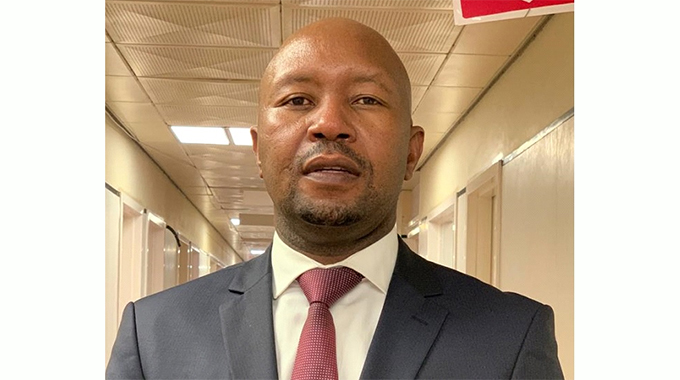
Wallace Ruzvidzo Herald Reporter
Zimbabwe is committed to ensuring zero local transmission of malaria in at least 11 districts, with the ultimate goal of increasing the districts where transmission is eliminated to 36 by 2025, Health and Child Care Permanent Secretary Dr Aspect Maunganidze has said.
In a statement to commemorate SADC Malaria Day, Dr Maunganidze said all Zimbabweans, including the private sector, had a role to play in malaria elimination.
On its part, the Government will continue prioritising resource mobilisation to ensure a malaria free Zimbabwe, he said.
The elimination of malaria in an area means that mosquitoes cannot transmit the parasite because they cannot infect anyone, so even if people in an area are bitten by mosquitoes those mosquitoes will not be carrying the parasite.
This year’s commemorations are being held under the theme, “Resilient health systems and communities key to malaria elimination”, and the slogan is “Timely access to malaria services, everyone’s right”.
“Malaria elimination is everyone’s business. We would like to call upon the private sector to join the fight against malaria,” said Dr Maunganidze.
“We are determined to reach all the vulnerable populations and fulfil our objective of zero local transmission in at least 11 districts and increase the elimination districts to 36 by 2025, as outlined in the National Malaria Control and Elimination Strategy 2021-2025, extended to 2026.
“The Ministry of Health and Child Care will continue to prioritise resource mobilisation for malaria to realise our vision of a malaria free Zimbabwe.”
The World Health Organisation’s representative in Zimbabwe, Professor Jean-Marie Dangou, said there was need for increased investment in malaria prevention measures, especially in light of climate change.
He said WHO would continue cooperating with relevant stakeholders to ensure the attainment of a malaria free Zimbabwe.
“With climate change, we will witness an increase in malaria cases, therefore, increased investment in malaria prevention strategies is critical,” said Prof Dangou.
“Cross country collaboration is one of the best buys to eliminate malaria and WHO along with all partners, will continue to collaborate and find new strategies and tools to eliminate malaria.”
The Ministry of Health and Care expressed gratitude to organisations that continue to partner Zimbabwe in the fight against malaria, and broader health services.
“The Malaria Control Programme in Zimbabwe continues to receive technical and financial support from important partners such as the Global Fund, WHO, USAID, PMI, CHAI and many others, including communities and their leadership,” said Prof Dangou.
“This has contributed immensely to the building of resilient health systems that has resulted in improved implementation of control activities leading to reduction in mortality and morbidity.”



 Online Reporter