Online Reporter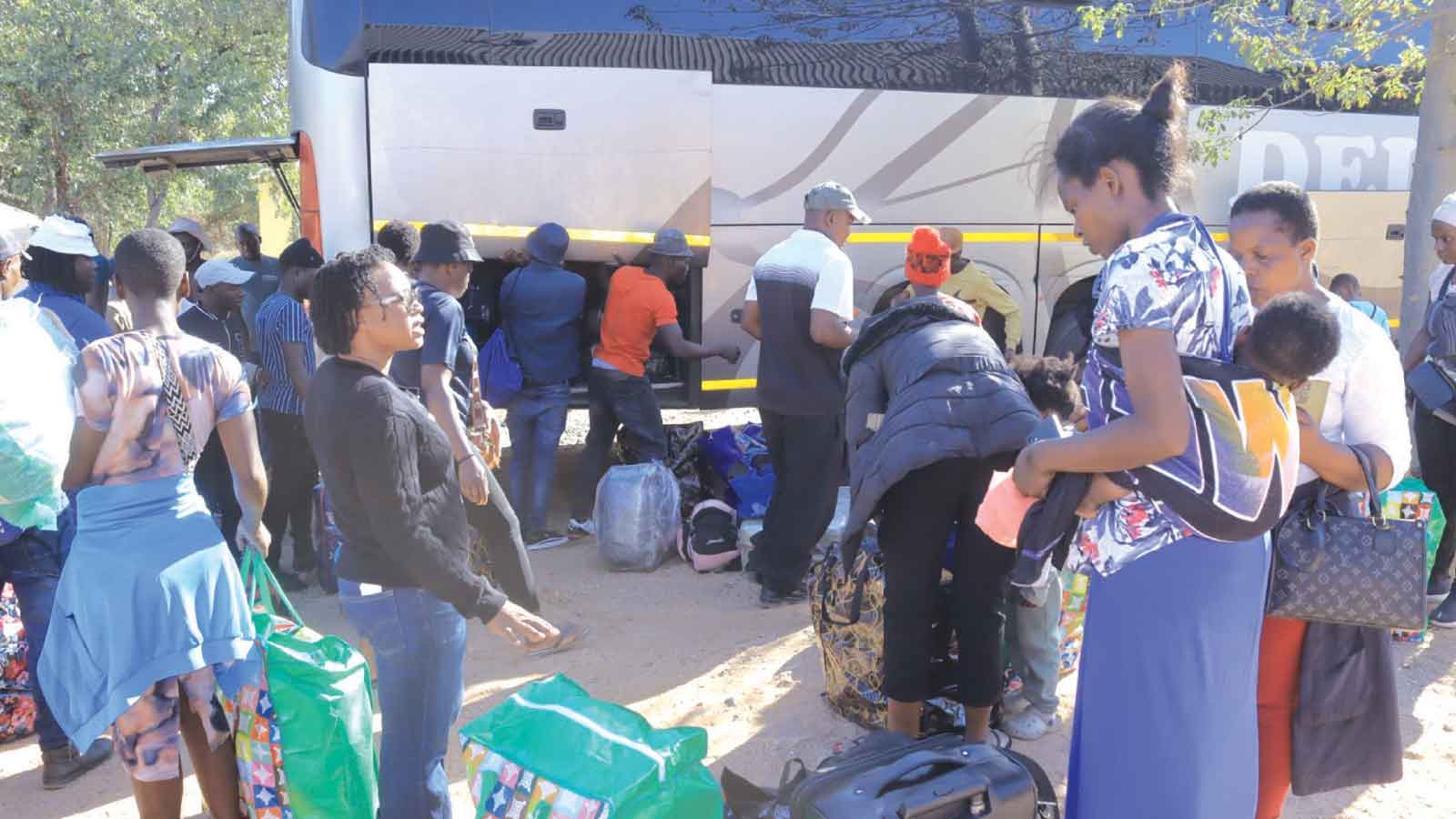
Thupeyo Muleya
Beitbridge Bureau
AT the crack of dawn, the dusty environs of the Beitbridge Reception and Support Centre hum with a quiet, desperate energy.
The sweltering heat of the lowveld does little to soothe the frayed nerves of the women and children trickling across the border.
They arrive with little more than the clothes on their backs—traders who once ran tuckshops, hairdressers who wielded scissors in Johannesburg’s bustling suburbs, and mothers who fled in the dead of night, leaving behind livelihoods they spent years building.
For these returnees, the journey home is not the end of their struggle, it is the beginning of a painful, uncertain rebirth. Yet, amid the chaos of displacement, a coordinated Government machinery is working to ensure that their dignity is not left behind at the border.
The Ministry of Women Affairs, Community, Small and Medium Enterprises Development is dramatically scaling up its coordination of referral and social protection services at the Beitbridge centre.
This is no longer just about processing returnees, it is about stitching back the fabric of lives torn apart by the recent wave of anti-migrant hostility in South Africa.
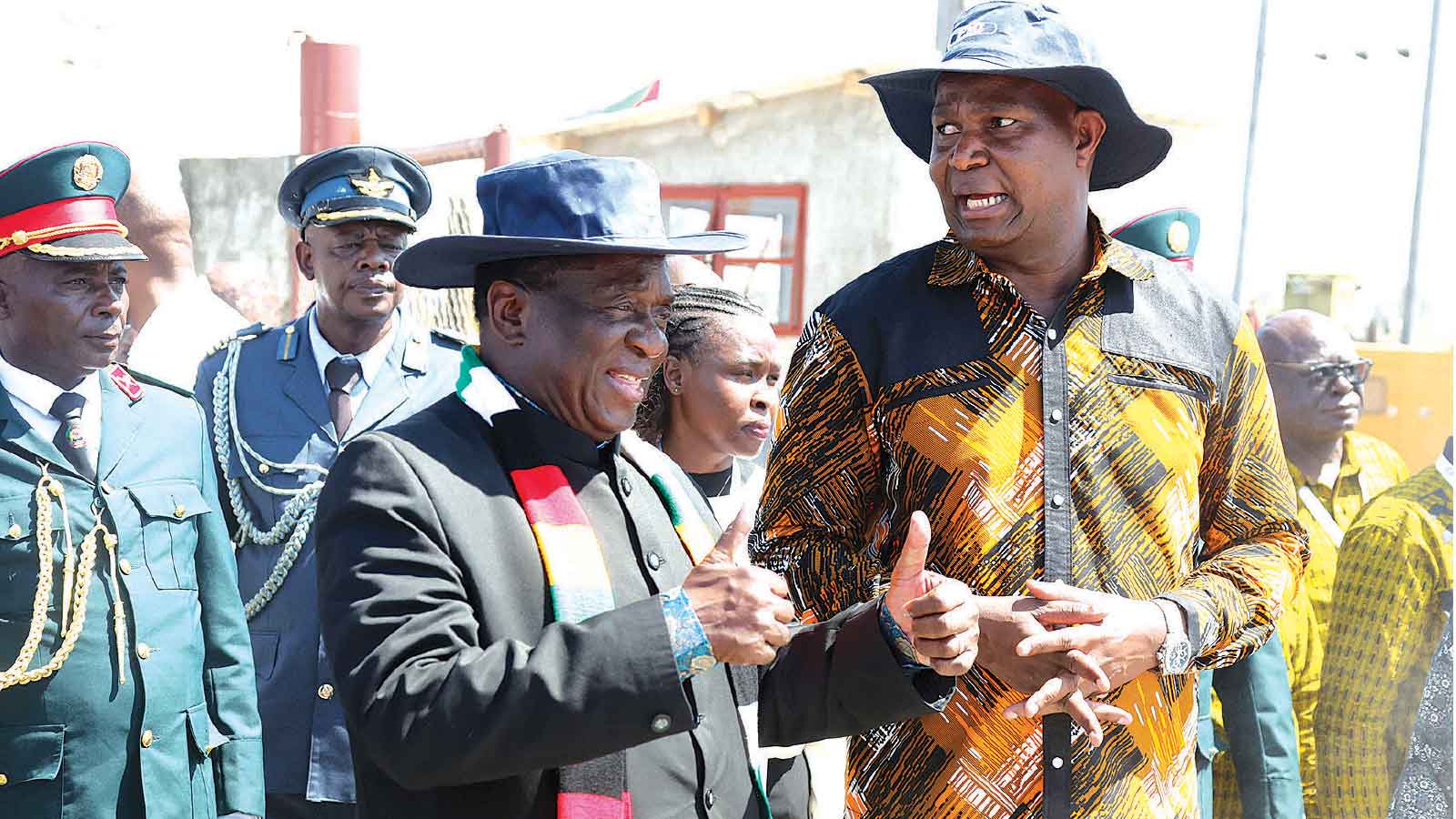
During a monitoring visit by Minister Monica Mutsvangwa on Monday, Beitbridge District Head Mr Vusumuzi Siduli painted a stark picture of the humanitarian effort unfolding along the Limpopo. While the statistics are staggering — 2 214 returnees have received psychosocial counselling to date — the stories behind them are haunting.
Of those counselled, an overwhelming 2 198 are women. They are widows, single mothers and young entrepreneurs who endured intimidation, harassment and the trauma of watching their dreams go up in smoke.
Counsellors at the centre are on the front lines, walking these women through the fog of displacement-related stress, guiding them from panic towards a fragile sense of stability.
“Our interventions are guided by the Constitution of Zimbabwe, particularly sections that oblige the State to protect vulnerable groups, promote gender equality, uphold the rights of women and ensure the best interests of children are paramount,” Mr Siduli told the Minister.
It is a constitutional promise that is being tested daily.
The Ministry’s core responsibilities at the centre read like a triage manual for the soul: identifying the most vulnerable, providing psychosocial first aid, facilitating referrals and actively preventing Gender-Based Violence (GBV) through survivor-centred pathways.
But the Government is looking further ahead than just the immediate emergency. In a major pivot, the Ministry is aggressively pushing the narrative of reintegration over mere repatriation.
The thinking is clear, these returnees cannot simply be dropped back into their villages without the tools to rebuild.
In the past weeks, 95 women have already been linked to livelihood and entrepreneurship information, while 109 others have been briefed on Government support programmes designed to give them a fresh start.
This is where the rhetoric of “women empowerment” meets the gritty reality of economic survival.
Through the Community Development Fund, returnees can now access affordable loans to kickstart income-generating projects. Meanwhile, the Women Development Fund stands as a dedicated war chest aimed specifically at female entrepreneurs looking to re-establish or scale up their businesses.
“These financing facilities are critical for strengthening resilience and supporting long-term reintegration into communities,” added Mr Siduli, emphasising that the goal is to transform these women from victims of circumstance into pillars of their local economies.
While the humanitarian machinery is oiled and running, the geopolitical clock is ticking. Mr Hillary Mahumbe, a representative from the Foreign Affairs and International Trade’s Consular Department, delivered a sobering reality check. The anti-foreigner hostility that triggered this mass exodus is far from over.
Since the repatriation programme began, Zimbabwe’s embassy in Pretoria and consulates have assisted 34 552 citizens to return home. An additional 75 535 have trickled back using their own meagre resources, unable to wait for Government transport.
Mr Mahumbe warned that the security situation is likely to remain volatile until South Africa’s general elections in November 2026.
Currently, anti-migrant groups are holding marches every Thursday, conducting intimidating door-to-door searches, and specifically targeting small businesses run by foreigners—tuckshops, barbershops, spaza shops and taxis.
Night-time attacks have become so relentless that many nationals are forced to seek refuge at consulates and police stations. The fear is palpable, and the flow of returnees is expected to continue.
In the background, another quiet revolution is taking place. Deputy Director in the Ministry of Skills Audit and Development, Ms. Lesley Chakundura, is on the ground registering the skills of both men and women at the centre.
The rationale is simple: to ensure that the human capital fleeing the crisis is not wasted upon return. By cataloguing the trades and expertise of the returnees — whether in tailoring, construction, or retail — the government aims to plug them seamlessly into Zimbabwe’s national development trajectory. The goal is to convert the brain drain of the past into a brain gain for the future.
Back at the centre, the operation is relentless.
The Ministry is not only providing psychological care, but is also heavily involved in the day-to-day welfare — managing the kitchens, distributing food, and ensuring the basic humanity of a hot meal for those who have often gone days without.
Even in tragedy, the state’s extended hand is visible.
Mr Mahumbe detailed how the Government facilitated a birth certificate for a Zimbabwean woman who died at the border without identification and assisted relatives in crossing into South Africa to identify her body — ensuring that even in death, the dignity of a citizen is preserved.
As the sun sets over Beitbridge, the queues of returnees stretch on. But for the first time in weeks, there is a sense of a plan.
The journey of rebuilding a life is long and fraught with uncertainty, but through these coordinated efforts — combining psycho-social care, financial empowerment, and skills registration — Zimbabwe is sending a clear message, the border is not a dead end; it is a launchpad for a new beginning.