admin
admin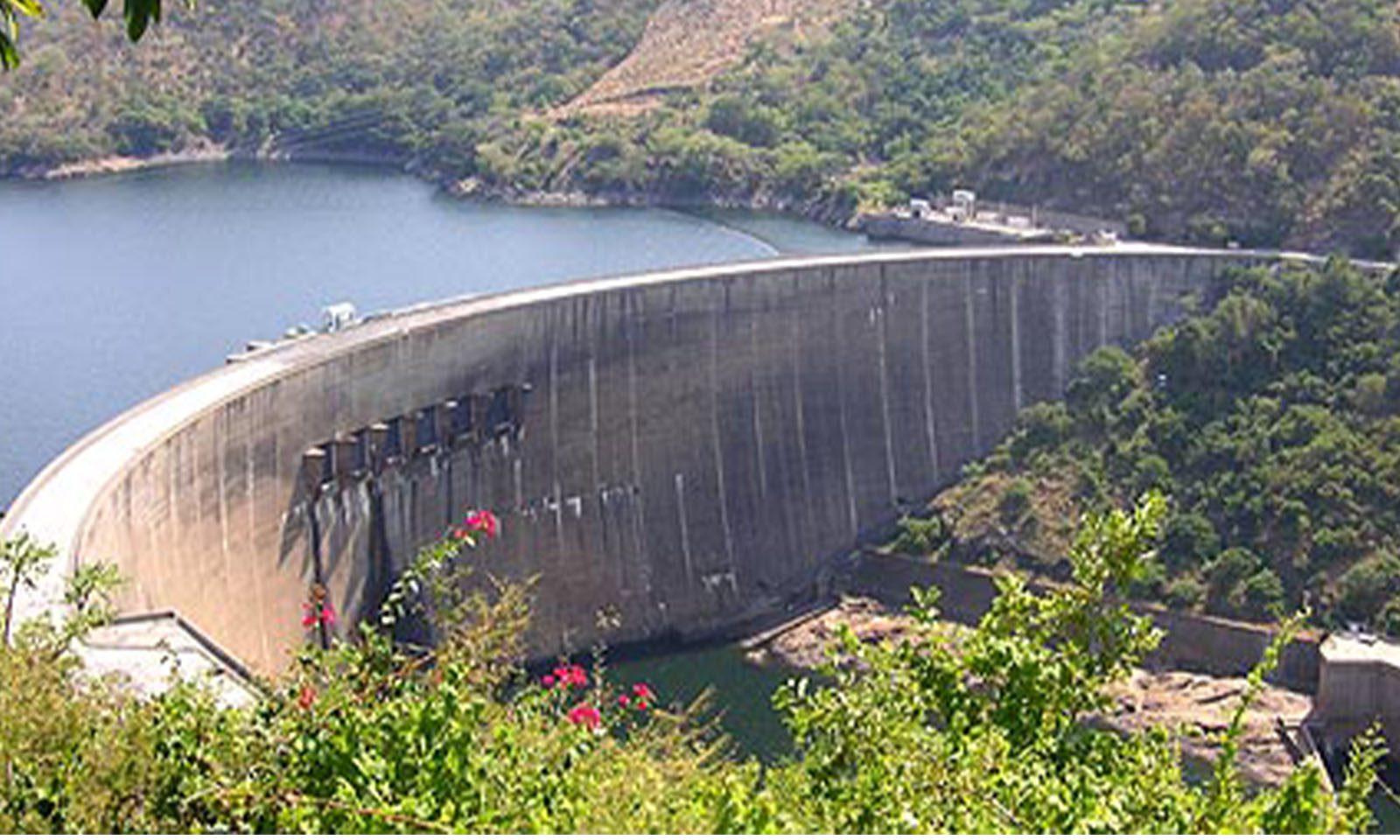
The onset of the rain season last month brought relief to many across the country, however, recent heavy downpours which led to flooding in some low lying areas have not only generated a lot of anxiety but also escalated fears that the water situation in the country might gradually slip out of hand.
Resultantly, many people have questioned, albeit without much justification, the capacity of the country’s dams to bear increasing inflows, with some arguing that the high rainfall activity could end up creating more problems than solutions if the issue of dam safety is not adequately addressed.
The Zimbabwe National Water Authority (ZINWA) would, however, want to inform the public that it carries out continuous inspection of dams to ascertain their preparedness to cope with such eventualities as the current high rainfall activity.
Further, dam levels recorded so far indicate that most dams are not yet full and at the moment, there is no danger of the floods escalation due to lack of dam safety.
Although it is true that more effort must be channelled towards monitoring the physical condition of dams given the high rainfall activity being experienced, the fact that flooding has occurred in traditionally flood prone areas such as Muzarabani, Middle Sabi, Tsholotsho, Mbire, Makonde Mt Darwin, Mhondoro-Ngezi etc. does not necessarily spell doom for dams and other water infrastructure.
Rather, the public should note that, contrary to public perception, there are technical mechanisms that can be implemented to manage the situation whenever dams are full in the middle of a rainy season.
Such action includes partial opening of outlet valves to release water in order to accommodate expected inflows. This would release pressure on dam walls and therefore prevents them from bursting.
The national dam level as at January 8, 2015 stood at 77,5 full and since the country has experienced a noticeable decrease in rainfall activities lately, it is safe to say that the water situation in the country is still under control.
It is also important for the public to know that since the beginning of the rain season, ZINWA has purposely made concerted efforts to monitor the physical state of dams in order to ensure that any possible physical weaknesses which may worsen the flooding situation alluded to above, are detected and dealt with timorously.
In addition, dam levels and river flows have also been religiously recorded, observed and analysed and much of the information collected from such analysis has been instrumental in shaping water infrastructure management policies.
Although reports of flooding in some areas have severely dampened public enthusiasm about and appreciation of the ongoing efforts to harness water for future use, information gathered from analysis of the physical state of dams, dam levels and other relevant hydrological variables indicate that the country’s dams have remarkably contained the high inflows that have been witnessed thus far.
While fears of the escalation of flooding as a result of failure of dams to contain increased inflows have, as indicated above, largely been misplaced, they have however, brought the issue of water resources management under the microscope once again.
The importance of paying water bills to strengthen the authority’s capacity to properly and sustainably manage water resources can therefore not be overemphasised.
However, it is unfortunate that regardless of the glaring importance of water resources management, payment of water bills remain disappointingly poor and this continues to impede the authority’s water resources development initiatives.
Against this backdrop, the authority reiterate the inescapable link between the level of compliance by all consumers including raw water users and ZINWA’s potential to, among other functions, develop and manage water resources.
For more information please contact the corporate Communications and Marketing Department on [email protected], mail to: [email protected] or visit www.zinwa.co.zw. You can also like our page on Facebook page.



 Online Reporter