admin
admin
Elita chikwati
Senior Reporter
Zimbabwe yesterday joined the rest of the world in celebrating the Global Wind Day as the country is targeting generating 100 Megawatts from wind energy in Mamina, Mhondoro and Guruve in line with the National Development Strategy 1.
Surveys and researches are underway as the country seeks to explore initiatives to promote the transition to renewable energy to improve access to clean energy and reduce carbon emissions.
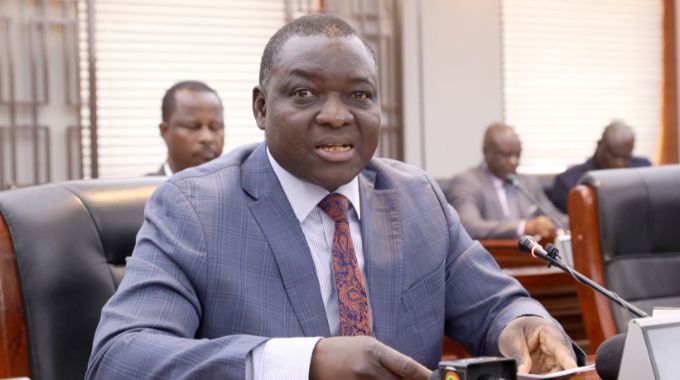
In an interview yesterday, Energy and Power Development Minister Zhemu Soda said Government had identified sites in Guruve and Mhondoro and research was underway to determine actual measurements of wind energy potentially to be generated from these sites.
He said the study would take 12months.
“As a nation, we are looking at harnessing wind energy as there are some contributions that should come from that sustainable the wind energy to help position renewables as the key to a sustainable future.
“We want to harness wind for commercial purpose.
“We need to start looking at wind power generation to diversify our energy generation sources. So far we carrying out research and we will be guided by the results,” he said.
Minister Soda said masts had been erected at the sites in Mhondoro and Guruve.
According to a study by ZERO, an NGO, on renewable energy prospects in Zimbabwe, average wind speeds are estimated at 3,5 m/s and there is potential in the exploitation of these slow wind speeds for water pumping.
Areas around Bulawayo and the Eastern Highlands have potential for larger power generation, since the most prevalent wind speeds range from 4 to 6 m/s.
The Global Wind Day is a worldwide event that is held on June 15 around the world.
It is a day when wind energy is celebrated, information is exchanged and adults and children find out about wind energy, its power and the possibilities it holds to change the world.
Power generation in Zimbabwe largely relies on hydro and thermal power at both Kariba and Hwange.
Government is looking at wind power generation to diversify the energy generation sources in case of problems and constraints from the main hydro and thermal generation stations.



 Online Reporter