Online Reporter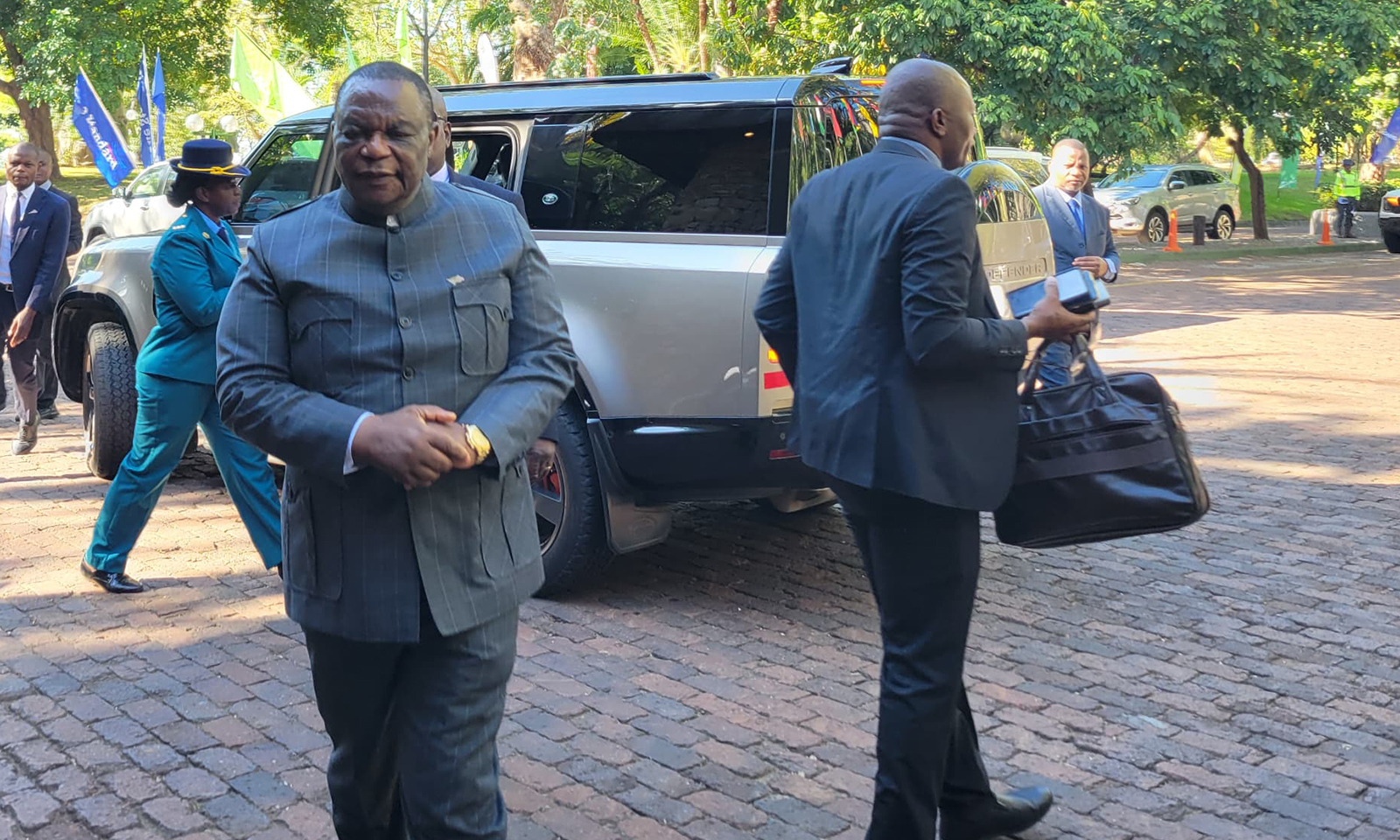
Mukudzei Chingwere in Victoria Falls
Government has launched an elaborate energy policy that will be the guiding principle towards efficient and reliable energy supply at the ongoing sixth International Renewable Energy Conference in Victoria Falls.
Vice President Dr Constantino Chiwenga, who stood in for President Mnangagwa, officially opened the international conference in the resort city and set the stage for a cordinated international approach to the energy debacle that has dogged several economies.
Zimbabwe, for its part, is moving towards an empowered upper-middle income economy by 2030, and energy plays a central role in this development trajectory that is already underway.
“I am proud to announce the launch of Zimbabwe’s Energy Efficiency Policy during this conference,” said VP Chiwenga.
“This policy aims to optimise the use of existing energy resources, reduce waste and promote sustainable practices across the economy.
“Furthermore, private sector-driven projects, such as Captive Power Plants, are already underway and are expected to significantly reduce load shedding in the near future, contributing to a more reliable energy supply for all Zimbabweans.”
VP Chiwenga highlighted the pressing challenges faced by the global energy sector and Zimbabwe’s commitment to ambitious targets set at the recent United Nations Climate Change Conference.
The conference, themed “Sustainable Energy Investments for a Better Future,” has converged policymakers, energy experts and business leaders from the region.
Dr Chiwenga reaffirmed the Government’s dedication to investing in renewable energy sources such as solar, wind and hydropower, which is vital in stabilising the electricity supply in critical sectors like mining and agriculture.
He announced plans to achieve 2 100 megawatts of installed renewable energy capacity by 2030, aligning with the UN’s Sustainable Development Goal 7, which seeks universal access to affordable and sustainable energy.
VP Chiwenga also stressed the importance of regional cooperation in addressing energy challenges.
He pointed to initiatives like the Southern African Power Pool, which enhances cross-border electricity trading, as key to bolstering regional energy security.