Obey Musiwa
Herald Reporter
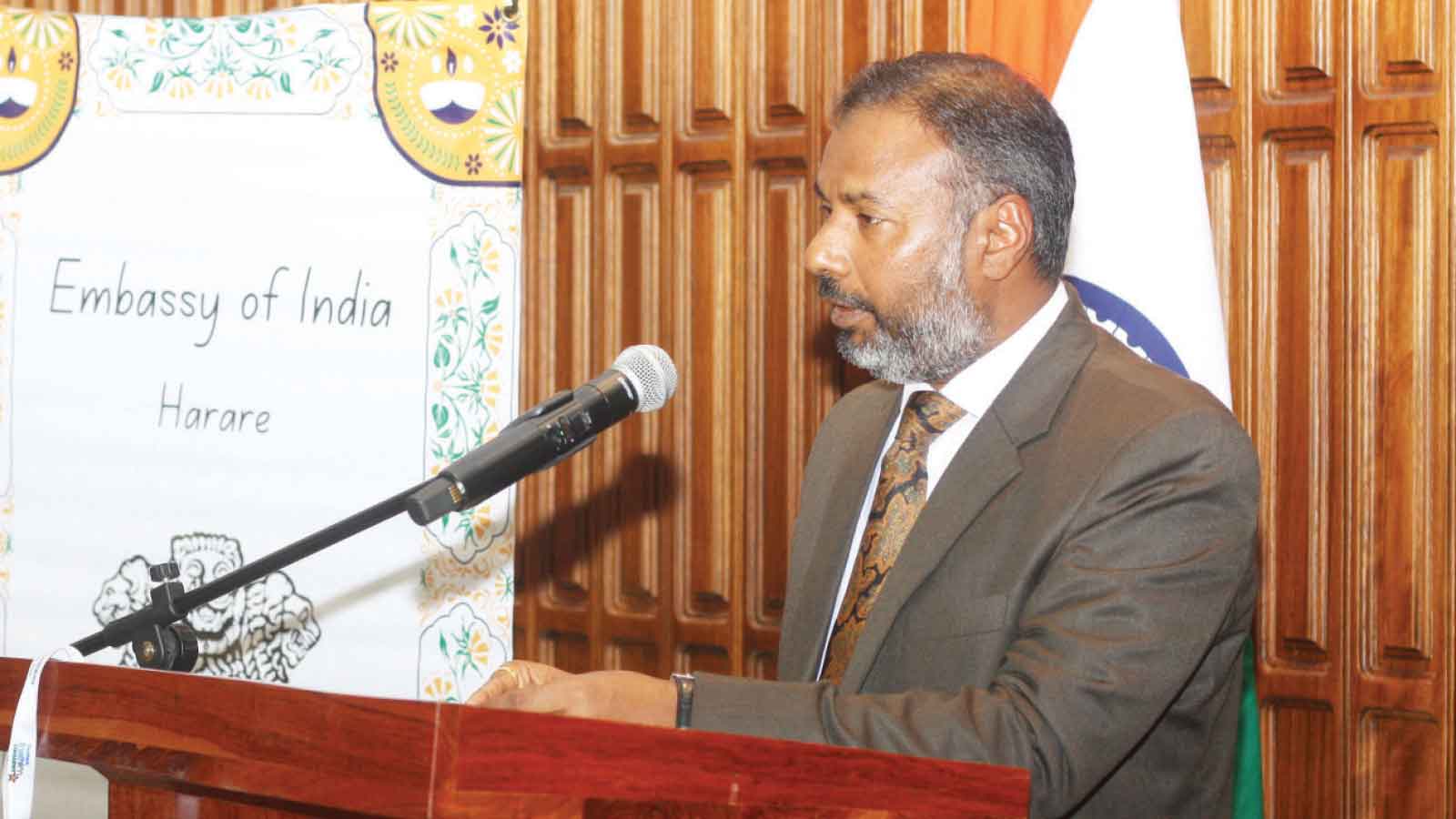
INDIAN Ambassador to Zimbabwe Bramha Kumar has expressed his commitment to enhancing Zimbabwe’s Vision 2030 goals, pledging to deliver tangible benefits for ordinary citizens.
Speaking at the press briefing on the National Family Health Survey-6 in Harare yesterday, the Ambassador highlighted that Zim–India ties are not just diplomatic, but people‑centred partnerships that strengthen livelihoods, healthcare and opportunities between both nations.
He emphasised that Zimbabwe’s investments in youth empowerment, clean energy and institutional reforms mirror India’s own trajectory.
Ambassador Kumar said India’s reforms have boosted investor trust and created millions of jobs, offering lessons for Zimbabwe’s own enterprise development.
“India’s ranking in the World Bank’s Doing Business Report improved from 142nd in 2014 to 63rd in 2019.
“Recognised start-ups have grown from just 502 in 2016 to more than 223 000 by March 2026, generating over 2 million direct jobs,” he said.
He noted that India’s export diversification and free trade agreements open new doors for Zimbabwean producers and traders.
“India remains confident of achieving its ambitious target of US$1 trillion in exports during the fiscal year 2026–2027.
“Electronics, pharmaceuticals and engineering goods are now key drivers of export growth, reflecting a shift from traditional commodities,” said Ambassador Kumar.
He described India as a technology powerhouse, saying that Zimbabwe can benefit from knowledge transfer and digital partnerships.
“Internet connections have expanded from 250 million in 2014 to 1,02 billion in 2026. India has achieved one of the world’s fastest 5G rollouts, with services reaching 99,9 percent of districts,” he said.
Ambassador Kumar said that progress in maternal health, child immunisation and nutrition reflects the country’s commitment to inclusive growth, areas in which Zimbabwe is also advancing.
“Institutional deliveries increased from 88,6 percent to 90,6 percent, moving India closer to universal coverage.
“Stunting among children under five declined substantially from 35,5 percent to 29,3 percent, showing improvement in long‑term nutritional outcomes,” he said.
He highlighted advances in women’s digital inclusion and financial independence.
“Women who have ever used the internet nearly doubled from 33,3 percent to 64,3 percent.”