admin
admin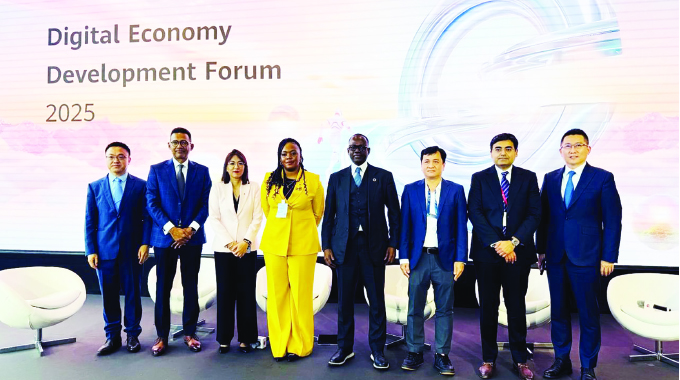
Marilyn Mutize
Herald Correspondent
At the recently concluded Mobile World Congress (MWC) in Barcelona Spain, Zimbabwe emerged as a beacon of digital ambition, signalling a transformative era in its technological and educational landscape.
This global platform not only showcased Zimbabwe’s commitment to embracing digital solutions but also highlighted its strategic vision for national development.
Championing educational connectivity: GigaProject initiative
The cornerstone of Zimbabwe’s Mobile World Congress 2025 engagement was its selection for the GigaProject, an initiative aimed at revolutionising school connectivity through solar-powered infrastructure.
The project targets the ambitious goal of connecting 6 611 schools nationwide, leveraging solar energy to mitigate the challenges posed by unreliable electricity, especially in rural areas.
This approach ensures that educational institutions are not only connected to the internet, but also operate sustainably, reducing carbon footprints and promoting environmental stewardship.
The implications of the GigaProject are profound.
By providing equitable access to digital resources, Zimbabwe is poised to bridge the urban-rural divide, ensuring that learners across the nation have equal opportunities to engage with modern educational tools. This initiative aligns with global efforts to integrate technology into education, preparing students for a future where digital literacy is paramount.
Dialoguing in global technologies
Beyond infrastructural advancements, Zimbabwe’s active participation in MWC 2025 discussions on artificial intelligence (AI), cybersecurity, and digital connectivity underscores its commitment to integrating cutting-edge technologies into its national framework.
Engaging with global experts and policymakers provides Zimbabwe with insights into best practices and emerging trends, enabling the country to tailor its strategies effectively.
The focus on AI is particularly strategic. Artificial intelligence has the potential to revolutionise sectors such as healthcare, agriculture, and finance.
By exploring AI applications, Zimbabwe can enhance service delivery, optimise resource management, and drive economic growth. Similarly, emphasising cybersecurity ensures that as the nation becomes more digitally connected, it remains resilient against emerging threats, safeguarding the interests of citizens and businesses alike.
Fostering international collaborations
Zimbabwe’s participation in panel discussions alongside ministers from countries such as Uzbekistan, Madagascar, and Malaysia, highlights its dedication to fostering international relationships.
These collaborations are essential for knowledge exchange, capacity building, and attracting foreign investment. By sharing insights and learning from other nations’ experiences, Zimbabwe can refine its digital strategies, ensuring they are contextually relevant and globally informed.
Digital growth and innovation
The digital initiatives announced at MWC 2025 are not merely about technological advancement; they are strategic economic maneuvers. Investing in digital infrastructure and education is expected to stimulate job creation, drive innovation, and foster economic growth. The emphasis on public-private partnerships further amplifies this vision, ensuring that both governmental bodies and private enterprises collaborate towards common digital goals.
This collaborative approach is anticipated to attract foreign investment, bolster the digital economy, and position Zimbabwe as a competitive player in the global digital arena.
In essence, Zimbabwe’s participation in MWC 2025 signifies more than just attendance at an international event; it marks the beginning of a comprehensive digital transformation journey. By focusing on education, technological integration, international collaboration, and economic growth, Zimbabwe sets a trajectory toward becoming a digitally empowered nation. This vision aligns with the broader goals of sustainable development, social inclusion, and economic resilience.
As the world moves further into the digital age, the country’s proactive approach ensures that it remains a relevant and influential player on the global stage. The strategic initiatives unveiled at MWC 2025 are poised to transform the nation’s educational sector, enhance technological capabilities, and drive economic prosperity.
By embracing digital solutions, Zimbabwe is not merely adapting to global trends but is actively shaping its future, ensuring that its citizens are equipped to thrive in an increasingly interconnected world.
Looking ahead: Challenges and opportunities
While the prospects are promising, the journey toward digital transformation is fraught with challenges. Ensuring equitable access to technology, particularly in remote areas, requires sustained investment and innovative solutions.
Addressing issues such as digital literacy, infrastructure reliability, and cybersecurity will be critical to the success of these initiatives. However, the opportunities are immense. By leveraging technology, Zimbabwe can enhance public service delivery, promote transparency, and empower its citizens.
The collaborative efforts with international partners provide a solid foundation for knowledge exchange and capacity building, ensuring that Zimbabwe’s digital journey is both inclusive and sustainable.
Conclusively, Zimbabwe’s strategic initiatives at MWC 2025 reflect a bold vision for the future, a vision where technology drives education, fuels economic growth, and enhances the quality of life for all citizens.
The GigaProject, with its focus on solar-powered school connectivity, exemplifies the innovative spirit that defines this vision. As Zimbabwe continues on this path, it calls upon all stakeholders, Government, private sector, civil society, and citizens to unite in this transformative journey.
Together, they can build a digital future that is inclusive, sustainable, and prosperous, ensuring that Zimbabwe not only keeps pace with global advancements, but also sets new benchmarks for digital excellence.



 Online Reporter