Wenslus Murape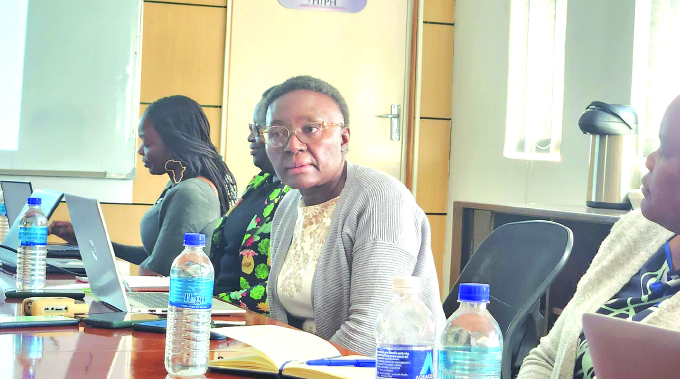
Talent Gore
ZIMBABWE has made significant strides in addressing the HIV burden, however, there is a need for renewed messaging regarding HIV prevention to sustain the gains realised, health experts have said.
Zimbabwe is among the few African countries that have attained the UNIADS 95-9-95 targets in adults.
Over the past four years, there has been a decline in HIV prevalence from approximately 12 percent in 2020 to 11.58 percent in 2023.
However, emerging new challenges such as depressed domestic and international funding for HIV prevention programs such as condoms, poor health-seeking behaviour and increased low-risk perception amongst young people could drive Zimbabwe back to the dark days.
Around 1.3 million people live with HIV in Zimbabwe, and more than 10% of those are under 19 years of age. Young females suffer six times more than males.
Ministry of Health and Child Care National Coordinator, STI Prevention and Condom Distribution Anna Machiya recently said there is a need to revive abstinence as an STI and HIV prevention message.
“When we look at prevention, we also need to note the social and cultural determinants,” she said.
“These include the Promotion of safer sexual behaviours such as abstinence which the media and most organisations are no longer talking about these days.
“We are saying abstinence still has a place and still plays a critical role in preventing STIs and new HIV infections.
“What we should teach our minors and young people is abstinence.”
Machiya said at the height of the AIDS epidemic, when very few HIV prevention tools were available, Zimbabwe adopted the ABC model for HIV prevention.
“A stands for abstinence or delay of sexual activity, B for being faithful, and C for condom use,” he said.
“Abstinence encompasses a range of behaviours including delaying sexual debut and reducing the number of sexual partners.
“The tool states that “not having sex is the best way to prevent getting or transmitting HIV.”



 Mathew Masinge