admin
admin
Roselyne Sachiti in LILONGWE, Malawi
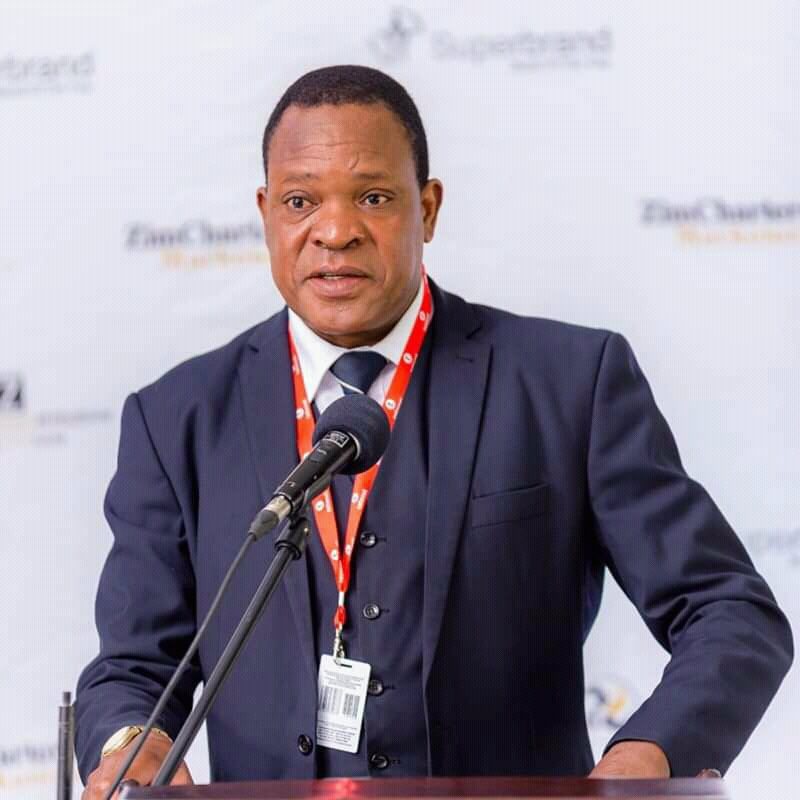
TRADE between Zimbabwe and Malawi has significantly improved over the years regardless of homogeneous economies, Zimbabwe’s Ambassador to Malawi, Dr Nancy Saungweme, said yesterday.
In an interview ahead of Vice President Kembo Mohadi’s visit to Malawi, Dr Saungweme said due to the proximity of the two nations, small to medium enterprises (SMEs) and other informal traders are increasingly playing an important role in trade under the COMESA Simplified Trade Regime for goods that are grown or wholly produced in the COMESA region.
“There are plenty of Zimbabwean products in Malawi shops. Zimbabwe’s exports to Malawi include paper and paperboards, plastic articles, electrical machinery and equipment, dairy and poultry products, insecticides, gypsum, Buttercup margarine, Mazoe, cereals, Lobel’s biscuits, ceramic products and agro-chemicals,” she said.
Dr Saungweme noted that Zimbabwe primarily imports tobacco, rice, oil seeds, groundnuts, spices, and animal feed waste residue from Malawi.
Malawi’s limited manufacturing sector, she said, offers a significant opportunity for Zimbabwean products to enter and establish a presence in this market.
She said to enhance trade, the mission promotes regular visits between Zimbabwe and Malawi, focusing on trade and investment initiatives.
“Our two countries traditionally participate at each other’s trade fairs and expos. Zimbabwean exhibitors participated at the 34th Malawi International Trade Fair and in turn about 13 exhibitors from Malawi participated at the 64th Edition of the Zimbabwe International Trade Fair (ZITF) held in Bulawayo this year.
“Further, the mission facilitated the participation of 19 Malawian delegates and exhibitors at the just ended SADC Industrialisation Week,” said Dr Saungweme.
RELATED STORY
She further said some Zimbabwean companies are leading significant initiatives in the agriculture and construction sector in Malawi.
“A close example is Maka Resources, which is implementing irrigation systems for the Government of Malawi under a project being funded by the World Bank.
“Other Zimbabwean companies such as Proplastics are the suppliers of pipes for the irrigation projects among other projects in Malawi,” noted Dr Saungweme.
Additionally, she said the embassy plays a crucial role in promoting exchanges between businesses in Zimbabwe and Malawi to create synergies that enhance economic collaboration.
“A case in point is the launch of the CEO Africa Roundtable Malawi Chapter in February 2023. The cooperation engenders cross-fertilisation of critical economic and business knowledge in and around Africa”.
Dr Saungweme emphasised that the mission aims to leverage resources of the diaspora by engaging the Malawian diaspora community in Diaspora Investment Conferences.
The goal, she said, is to inspire them to invest in their homeland, thereby playing a significant role in the development of the nation.
“The mission is always working in close collaboration with the Malawi Investment and Trade Centre (MITC) to forge synergies aimed at strengthening economic co-operation between Malawi and Zimbabwe.
“However, there is a lot of untapped potential that exists for enhanced trade between Malawi and Zimbabwe. One of the inhibitors for enhanced trade is the foreign currency challenges in Malawi”.
Dr Saungweme called for close collaboration between Zimbabwe and Malawi’s border agencies to curb cases of smuggling of goods into both countries due to porous borders and corruption.
“Most of the smuggled goods go unrecorded thereby understating trade statistics and also results in lost revenue by both countries,” she said.


 Online Reporter